

Table of Contents
- How Kids' Clothing Subscription Boxes Work
- Kids Clothing Box Cost and Fees Breakdown
- Kids Clothing Subscription Box Sizing and Fit
- Kids Clothing Box Return Policy and Cancellation Terms
- Kids Clothing Subscription Box Reviews: Quality and Durability
- Subscription vs. Traditional Shopping: The Real Value Comparison
- Is a Kids' Clothing Subscription Box Right for Your Family?
- Frequently Asked Questions
Last Updated: October 5, 2026
How Kids' Clothing Subscription Boxes Work
Kids clothing subscription boxes deliver curated outfits to your door on a schedule you choose, typically monthly. You complete a style profile answering questions about your child's preferences, size, and what you're looking for. The service then sends a box containing several clothing items, usually between 4 and 8 pieces per delivery.
The basic model works like this: you receive the box, try the items on your child, keep what fits and works for your family, and return the rest. Most services include prepaid return shipping, so sending items back costs you nothing. The items you keep are yours to own. The whole process takes about two weeks from delivery to return.
What makes subscription boxes different from just shopping online is the curation. Instead of scrolling through hundreds of options yourself, a stylist or algorithm selects items based on your preferences and your child's size. For busy parents, this saves hours of browsing. You're not making dozens of decisions, you're evaluating a smaller, thoughtful selection.
The appeal is clear: convenience, discovery, and the chance to try before committing. But the real question isn't how they work, it's whether that convenience justifies the cost.
Kids Clothing Box Cost and Fees Breakdown
Here's where subscription boxes get complicated. Most services charge a styling or subscription fee separate from the cost of items you keep. This fee typically ranges, but it's the first expense you'll encounter before deciding what to buy.
When you receive a box, you're looking at two distinct costs. First, there's the subscription or styling fee itself, this is what you pay just to access the service and receive the curated selection. Second, there's the retail value of the items in the box.
Let's use a real example. At Tots & Trends by Morgan, we offer curated matching sets like the Carter's Kids' 3-Piece Playwear Set at $25.00 and the Lands' End Kids' 4-Piece Set at $38.00. These are one-time purchases, not subscription-based, but they show what quality kids' apparel costs.
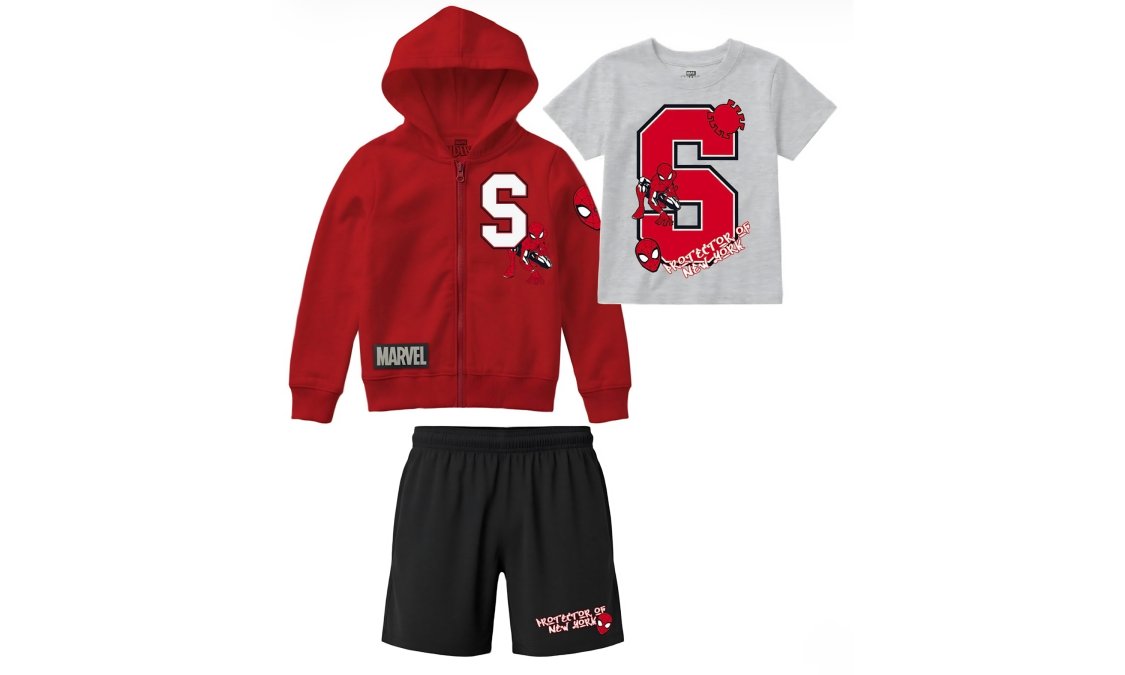
The math matters. If a subscription charges a $15 styling fee and you keep 50% of the items in a box, you're paying that $15 fee for items you're only keeping half of. Over a year, that's $180 in fees alone. Compare that to buying strategically from retailers offering curated sets, you pay once, own the item, no recurring fees.
Some services offer discounts if you commit to keeping all items in a box. These "keep-all" discounts can reduce the per-item cost significantly. But they only make sense if you genuinely want everything in the box.
Kids Clothing Subscription Box Sizing and Fit
Sizing is the biggest operational challenge with any online kids' clothing service. Children's sizes vary wildly across brands. A 4T from one manufacturer might fit completely differently than a 4T from another. Add in the fact that kids grow unpredictably, and you understand why fit is where subscription boxes either win or fail.
Most subscription services ask you to input your child's height, weight, and typical size during onboarding. Some also ask about fit preferences, whether your child runs small or large, prefers loose or fitted clothing. The better services use this data to adjust selections for future boxes.
The problem is that even with this information, fit remains uncertain until items arrive. You're trusting that a stylist or algorithm correctly interpreted your child's measurements against a brand's specific sizing chart. One wrong call and you're returning most of a box.
Return policies become critical here. If a service makes it easy to return items and receive replacements, fit mistakes are less painful. If returns are complicated or slow, a poor-fitting box wastes your time and frustration. Some services offer exchanges within a certain window, while others only accept returns for refunds.
The Carter's Kids' 3-Piece Playwear Set we carry comes in sizes 2T to 5T, with specific model measurements provided. This transparency helps. When you know a model who is 38 inches tall wears a size 3T comfortably, you can make an informed decision.
Kids Clothing Box Return Policy and Cancellation Terms
Return policies vary widely, and they directly affect whether a subscription is actually worth your time. Some services give you a week to decide; others give you two weeks. Some include return shipping; others charge you to send items back. These details determine whether a subscription feels convenient or frustrating.
Read the cancellation terms carefully. Some services lock you into a minimum commitment, three months, six months, or longer. Others let you skip a month or cancel anytime.
Many subscriptions also have restocking or processing fees for returns. These can add up quickly. If you return a box and pay a restocking fee, that reduces the value of the items you kept.
The friction of returns matters more than most parents realize. If returning items requires printing a label, finding a drop-off location, and waiting for processing, you might keep items out of sheer inconvenience rather than genuine need. Conversely, if a service sends a prepaid label and credits your account immediately upon return, the experience feels seamless.
Check whether the service offers exchanges. Can you return a size 5T and request a size 6T in the same item? Or do you have to return everything and wait for a new box? The flexibility of the return process determines whether a bad-fit box becomes a learning opportunity or a waste of money.
Kids Clothing Subscription Box Reviews: Quality and Durability
Quality is where subscription boxes often disappoint. The items curated for you might be on-trend and stylish, but that doesn't mean they'll hold up through multiple washes and active play. Kids' clothes take a beating, grass stains, spills, repeated washing. A garment that looks great in photos might pill after three wears or shrink unexpectedly.
The best way to evaluate quality is to look at fabric content and care instructions. Blends, like the 60% cotton and 40% polyester in the Lands' End Kids' 4-Piece Set we carry, offer a balance of durability and ease of care.
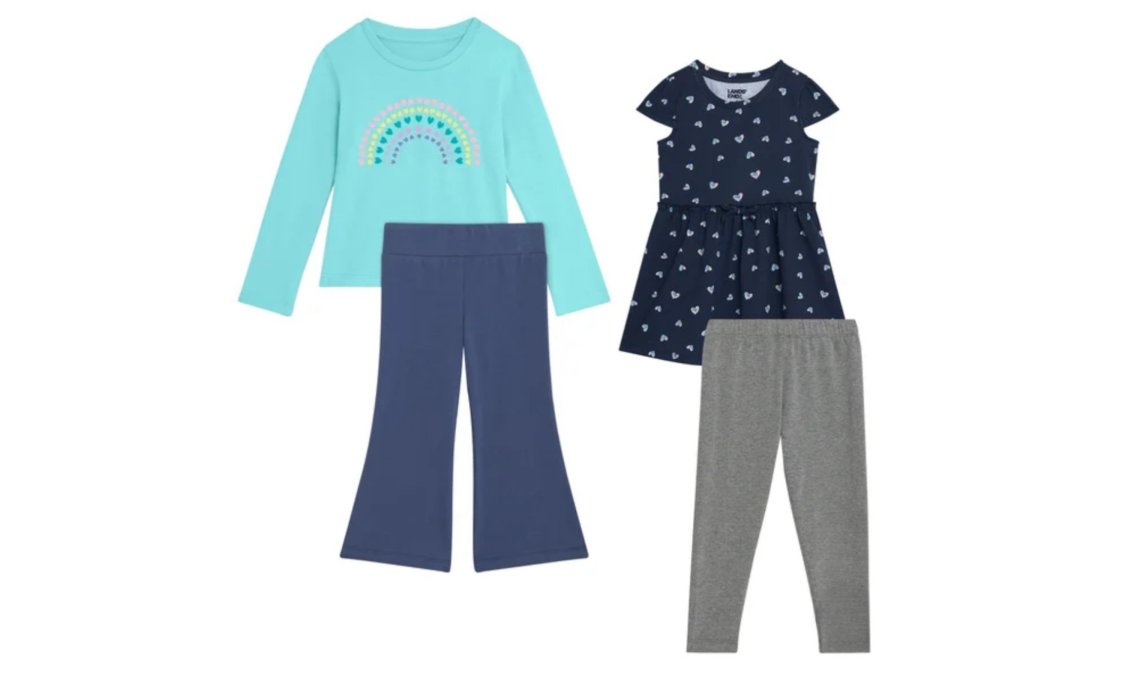
Subscription services typically source from established brands, which is a good sign. Recognizable names have reputations to protect. But even established brands vary in quality across their lines. A budget-friendly item from a major brand might not last as long as a premium piece from the same company.
Lands' End Kids' 4-Piece Set →
Pay attention to how items are described in reviews. Parents consistently mention whether seams hold up, whether colors fade, and whether items shrink. If reviews mention these issues, the subscription's curation process isn't filtering for durability. That's a red flag.
The real durability test is cost per wear. If you keep an item and your child wears it 20 times before it no longer fits, that's a reasonable cost per wear. If your child wears it twice and it falls apart, you've wasted money regardless of the original price.
Subscription vs. Traditional Shopping: The Real Value Comparison
The honest comparison comes down to time, money, and accuracy. Subscription boxes save time by doing the selection work for you. Traditional shopping, whether online or in-store, requires you to browse, compare, and decide.
But time savings come at a cost. Subscription boxes charge styling fees. Traditional shopping doesn't. If you buy directly from retailers like Tots & Trends by Morgan, you pay only for the items themselves.
Let's look at the math. A subscription box might charge $15 to $25 per month in styling fees, plus the cost of items you keep.
Compare that to buying curated sets directly. The Adidas Kids' 2-Piece Set at Tots & Trends by Morgan is $52.00. The Jordan Toddler Boys 2-Piece Set is $44.00.

The trade-off is discovery. Subscription services introduce you to brands and styles you might not have found yourself. Direct retail shopping requires you to know where to look.
Consider also the growth factor. Kids grow fast. A subscription service that specializes in sizing and growth patterns might actually save money by ensuring better fit.
For families with multiple children in different sizes, subscriptions become even less attractive. You'd need multiple subscriptions or multiple boxes per month. The fees multiply quickly.
Factor |
Subscription Box |
Direct Retail Shopping |
|---|---|---|
Styling fee |
Yes, typically $15-25/month |
No |
Time to shop |
Minimal |
Moderate to high |
Return shipping |
Usually included |
Standard retail policy |
Cost per outfit |
Styling fee + item cost |
Item cost only |
Fit accuracy |
Depends on service quality |
Depends on sizing info provided |
Annual commitment |
Often required |
None |
Discovery of new brands |
High |
Lower unless you browse actively |
Is a Kids' Clothing Subscription Box Right for Your Family?
The answer depends on your specific situation. If you have significant disposable income, value convenience highly, and enjoy the discovery aspect of curated shopping, a subscription might be worth it.
If you're budget-conscious, know your child's style preferences clearly, and prefer straightforward shopping without subscriptions, direct retail is the better choice. You'll spend less money and have more control over what you buy.
Consider also your child's growth rate. Fast-growing kids mean frequent size changes. A subscription service that specializes in sizing might actually help you navigate that uncertainty.
The return friction question matters too. If you hate the hassle of returns and exchanges, subscriptions might feel more convenient because items you keep are yours to own. But if returns are easy and quick, that advantage shrinks.
Test before committing. If you try a subscription, choose one that allows cancellation after the first month.
For most families, a hybrid approach works best. Use direct retail shopping, like Tots & Trends by Morgan, for your regular, everyday kids' clothing needs.
The bottom line: kids clothing subscription boxes aren't inherently worth it or not worth it. They're worth it if the time savings and discovery value exceed the styling fees and return friction.
Finding the right clothes for your kids shouldn't mean endless scrolling or subscription commitments you don't need.
Frequently Asked Questions
Are kids' clothing subscription boxes actually worth the cost?
The value depends on your priorities and budget. Subscription boxes offer convenience and curated selections, but the cost per item often runs $15–$25 when you factor in monthly fees. If your child grows quickly or you struggle to find quality pieces, a subscription can save time. However, buying individual items on sale or shopping clearance racks may cost less overall. Consider your family's specific needs: busy schedules, growth rates, and preference for on-trend styles versus basics.
What should I know about kids clothing subscription box sizing and fit before subscribing?
Sizing consistency varies across brands and age groups, which is why many services ask detailed questions during signup. Provide accurate measurements and growth patterns. Most boxes include a try-on period (typically 5–14 days) so you can check fit before committing. Always review sizing charts specific to each brand in the box, as a size 4T in one label may differ from another.
Can I return or exchange items if they don't fit in a kids' clothing subscription box?
Return policies vary significantly by service. Most offer a try-on window (usually 5–14 days) and allow returns or exchanges for items that don't fit. However, return shipping costs and restocking fees can add up, reducing overall savings. Check the cancellation terms carefully: some require notice before your next billing cycle. Read the fine print before subscribing.
How do kids' clothing subscription boxes compare to buying from traditional retailers?
Subscription boxes offer curated selections and convenience, but traditional shopping often provides better value. Buying clearance items, using discount codes, or shopping seasonal sales at major retailers can cost 30–50% less per item. Subscription boxes shine for busy parents who value time savings and personalized styling. However, if you're price-sensitive or prefer specific brands, traditional shopping with strategic timing may be more economical. Consider your lifestyle: do you have time to hunt for deals, or is convenience worth the premium?
What makes a kids' clothing subscription box worth it for fast-growing children?
Fast-growing children benefit most from subscription services because they need frequent wardrobe refreshes. The personalization feature helps avoid sizing mistakes common in online shopping. If your child grows two sizes annually, compare this against buying 2–3 seasonal wardrobe updates from discount retailers, which may cost less overall.