

Table of Contents
- Why Ethically Made Childrenswear Matters for Your Family
- Health Benefits: Reduced Chemical Exposure and Safer Fabrics
- Environmental Impact: What Sustainable Production Really Means
- How to Choose Ethical Clothing Brands With Confidence
- Organic Cotton Kids Clothes and Natural Fiber Alternatives
- Durable Children's Clothing: Quality That Lasts Through Growth
- How to Care for Children's Clothes to Maximize Longevity
- Addressing Cost and Value: Making Ethical Choices Work for Your Budget
- Frequently Asked Questions
Last Updated: October 16, 2026
Why Ethically Made Childrenswear Matters for Your Family
Parents shopping for children's clothing face a choice: prioritize convenience and price, or invest in pieces that align with their values.
Ethically made children’s wear reflects a commitment to transparency: brands share where clothes are made, who makes them, and what materials are used.
The shift toward ethically made children’s wear responds to real concerns about fast fashion's impact on children's health, worker welfare, and environmental sustainability.
Health Benefits: Reduced Chemical Exposure and Safer Fabrics
Children's skin is more permeable and sensitive than adult skin, making chemical exposure a legitimate concern.
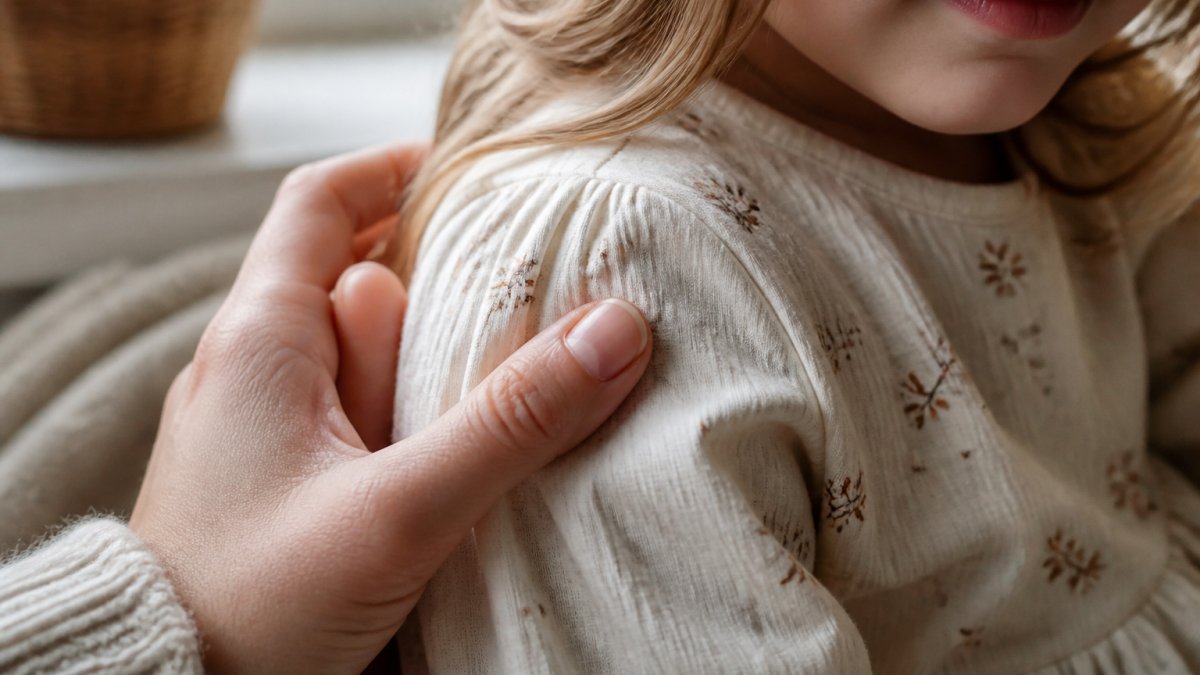
Organic cotton kids clothes are one of the most accessible ways to reduce chemical exposure: the cotton is grown without synthetic pesticides or fertilizers, and processing avoids harsh chemical treatments.
Ethical manufacturers typically seek certifications verifying their materials meet safety standards, so parents can trust the fabric touching their child's skin has been vetted.
Environmental Impact: What Sustainable Production Really Means
The textile industry ranks among the world's largest polluters, consuming enormous quantities of water and generating significant chemical waste. Sustainable production addresses this through responsible sourcing, reduced waste, and cleaner manufacturing.
Conventional clothing production relies heavily on pesticides and synthetic dyes that contaminate water supplies. Sustainable production reduces pesticide use, implements water-saving technologies, and treats wastewater before it returns to the environment. Organic cotton uses significantly less water than conventional cotton while eliminating pesticide runoff.
Durability compounds the benefits: clothing designed to last through multiple children or seasons reduces textile waste entering landfills, a shift from the disposable mindset of fast fashion.
What "Sustainable" Actually Verifies, and What It Doesn't
Most parents encounter three kinds of environmental claims on childrenswear: fiber claims ("organic cotton"), process claims ("low-impact dyes"), and system claims ("carbon neutral," "circular").
Separate what is independently verified from what is self-declared:
- Fiber-level certification. The Global Organic Textile Standard (GOTS) is the most widely recognized standard for organic fiber content in apparel. It covers the entire supply chain from organic fiber harvesting through environmentally and socially responsible manufacturing, with third-party inspection at each processing stage, so a GOTS claim means the organic content and processing conditions have been audited, not just that the cotton was grown organically.
- Process claims without a standard. "Low-impact dyes" and "water-saving finishing" are usually self-declared. They may be accurate, but unless the brand points to a specific third-party standard or audit, treat them as marketing language rather than verified fact.
- System claims. "Carbon neutral" and "circular" often rely on offsets or take-back programs that are difficult to verify at the garment level. Ask what is being measured, over what boundary, and by whom.
Credible brands publish a certification scope statement, which facilities, products, and years are covered. If a brand displays a GOTS logo but cannot say which styles are certified, the claim may apply to only part of the line.
The Fall and Winter Environmental Trade-Offs Parents Actually Face
Cold-weather childrenswear introduces trade-offs warm-weather basics don't. Heavier knits, fleece, and outerwear use more fiber and processing per garment, so the case for buying fewer, better pieces is strongest in fall and winter.
- Knit sweaters and cardigans. Wool and organic cotton knits are durable and repairable, but wool production carries land-use and animal-welfare considerations. Look for brands that disclose fiber origin and, where relevant, animal-welfare standards.
- Fleece and insulated layers. Recycled polyester fleece diverts plastic from landfills but still sheds microfibers in the wash. Wash fleece less often, use a microfiber-catching laundry bag, and air-dry to reduce shedding.
- Outerwear and waterproofing. Water-repellent finishes are a common concern because some traditional chemistries have been phased out for health and environmental reasons. Brands that disclose which repellent chemistry they use, and whether it is a newer, less persistent alternative, give you something verifiable to evaluate.
- Puffer and insulated jackets. Down and synthetic fills each carry trade-offs in warmth-to-weight, care, and end-of-life. Repairability matters here: a jacket with replaceable zippers and patchable shell fabric will outlast a sealed unit.
A Practical Verification Routine for Environmental Claims
Before buying a fall or winter piece, run a short routine:
- Find the certification, not just the word. Search the product page for a named standard (GOTS is the most common for organic fiber). If only the word "organic" appears, ask which standard applies.
- Check the scope. Confirm the certification covers the specific style you're buying, not just the flagship line.
- Look for a published supplier or facility list. Brands that disclose where garments are made give you a way to cross-check environmental and labor claims.
- Ask about care and end-of-life. Repair guidance, take-back options, or care instructions designed to extend garment life signal that durability is part of the environmental case, not an afterthought.
How to Choose Ethical Clothing Brands With Confidence
Identifying genuinely ethical brands requires moving beyond marketing claims to actual practices. Several frameworks help parents judge whether commitments are authentic or superficial.
Research supply chain transparency. Ethical brands publish manufacturing locations and often name specific factories or artisans.
Examine labor practice claims. Ethical producers commit to fair wages and safe working conditions.
Check for honest communication about limitations. Truly ethical brands acknowledge trade-offs and admit where they're still improving, candor that builds trust more effectively than perfection claims.
Organic Cotton Kids Clothes and Natural Fiber Alternatives
Organic cotton dominates the ethical childrenswear market because it eliminates pesticide exposure while keeping the softness and breathability children need.
Natural fiber blends combine benefits: organic cotton with linen is soft and durable, while hemp-cotton balances strength with comfort.
Natural fibers breathe, reducing heat buildup and moisture that can trigger irritation, and they lack the chemical residues common in synthetics, making them safer for sensitive skin.
Durable Children's Clothing: Quality That Lasts Through Growth
Children outgrow clothing rapidly, but durability still matters because well-made pieces pass to siblings, cousins, or resale.
Ethical manufacturers invest in durability because it aligns with waste reduction: clothing designed to last reduces textile waste and the environmental impact of constant replacement.
Quality indicators include fabric weight and feel, seam construction, and button attachment.
Design choices also affect durability. Reinforced knees withstand playground wear, adjustable waistbands accommodate growth without replacement, and convertible designs like pants with removable legs extend wearability as children grow.
How to Care for Children's Clothes to Maximize Longevity
Proper care extends the life of ethically made childrenswear significantly.
Use gentle detergents designed for delicate fabrics. Harsh chemicals and heavy-duty detergents damage natural fibers over time.
Reduce washing frequency when appropriate. Not every wearing requires a wash.
Air dry instead of using heat. Machine dryers subject fabric to high temperatures and tumbling that accelerates deterioration.
Store carefully during off-season. Use breathable storage containers rather than plastic bins that trap moisture.
Addressing Cost and Value: Making Ethical Choices Work for Your Budget
The primary objection to ethically made childrenswear is cost.
Durability changes the financial equation.
Strategic purchasing helps stretch budgets. Buying a smaller number of versatile, high-quality basics provides more outfit combinations than many trendy pieces.
Resale and hand-me-down potential adds genuine financial value.
Community resources like clothing swaps and hand-me-down networks provide access to quality pieces without full retail cost.
The Cost-Per-Wear Math, Worked Through
Cost per wear is the simplest tool for comparing a higher-priced ethical piece with a cheaper alternative. The formula is straightforward: divide the purchase price by the number of times the garment is actually worn before it leaves your rotation.
The upfront price is three times higher, but the per-wear cost is lower once you account for longevity and multiple wearers.
Resale, Repair, and Hand-Me-Down: Extending the Value Chain
Ethical childrenswear holds value in three ways that cheap clothing rarely does:
- Resale. Well-made pieces in good condition resell more readily because buyers recognize the brand and construction. Consignment shops, online resale marketplaces, and local parent groups are the most common channels. The recouped amount reduces your net cost, which is the number that actually matters for cost per wear.
- Repair. Reinforced seams, replaceable buttons, and patchable knees make repair realistic. A small repair kit (needle, matching thread, iron-on patches for playwear) extends the life of fall and winter pieces through multiple seasons.
- Hand-me-downs. The single biggest cost lever for families with more than one child. Buying pieces designed to survive washing and play, heavier knits, reinforced knees, adjustable waists, means the second and third child wear them at effectively no additional cost.
Fall and Winter Buying Strategies That Protect Your Budget
Cold-weather clothing is where the cost-per-wear case is strongest, because layering pieces get worn repeatedly and outerwear is used daily for months.
- Buy the layers, not the outfits. A small number of versatile knits, cardigans, and base layers that mix and match will out-wear a larger number of single-outfit pieces.
- Size for layering, not for now. Slightly roomier knits and outerwear accommodate a base layer and last through a growth spurt; avoid overly snug pieces that get outgrown mid-season.
- Prioritize adjustable and convertible designs. Adjustable waistbands, roll-up cuffs, and removable hoods extend wearability as children grow.
- Spend where durability matters most. Outerwear, shoes, and everyday knits take the most wear; accessories and trend pieces are reasonable places to save.
Frequently Asked Questions
What does ethically made childrenswear actually mean?
Ethically made childrenswear refers to clothing produced with fair wages, safe working conditions, and responsible labor practices throughout the supply chain. It means garment workers are treated fairly, child labor is prevented, and manufacturing processes minimize environmental harm. Ethical brands prioritize transparency about where and how clothes are made, often providing supply-chain information to consumers. This differs from mass-produced options where labor conditions and sourcing remain unclear.
How can I tell whether a children's clothing brand is ethical?
Look for third-party certifications like GOTS (Global Organic Textile Standard) or Fair Trade labels, which verify ethical claims. Check the brand's website for supply-chain transparency—reputable companies share factory locations and labor practices. Read customer reviews for feedback on durability and fabric quality. Ask the brand directly about their manufacturing practices, material sourcing, and labor standards. Be cautious of vague claims like 'eco-friendly' without certification; specific commitments and transparency are stronger indicators of genuine ethical practices.
Are organic cotton kids clothes worth the investment if my child grows so quickly?
Organic cotton kids clothes become cost-effective when you consider total value: they hold their shape through multiple wash cycles, resist pilling and fading, and often pass down to younger siblings or friends. High-quality organic pieces maintain softness and durability through frequent washing, reducing replacement frequency. While the upfront cost is higher than mass-produced alternatives, the longevity and reduced skin irritation for sensitive children often justify the investment. Durability means fewer replacements over time, offsetting the initial price difference.
What's the environmental impact of choosing ethically made childrenswear?
Ethically made childrenswear typically uses organic cotton or natural fibers grown without synthetic pesticides, reducing pollution and water contamination. Sustainable manufacturing practices minimize waste, use fewer toxic dyes, and reduce overall resource consumption. Fair-trade and certified ethical production often involves smaller-scale operations with stricter environmental controls than conventional textile factories. By choosing these pieces, you reduce your child's wardrobe's environmental footprint and support production methods that protect ecosystems and reduce chemical exposure to both garment workers and the environment.