

Table of Contents
- What Makes Kids Clothing Truly Non Toxic?
- How to Identify Toxic Chemicals in Kids Fabrics
- GOTS Certified Baby Clothes: Why the Label Matters
- Best Non Toxic Kids Clothing Brands Worth Knowing
- Budget-Friendly Non Toxic Shopping: Getting the Most Value
- Caring for Organic Kids Garments to Make Them Last
- End-of-Life Recycling and Sustainable Choices Beyond the Purchase
- Conclusion
Last Updated: August 24, 2026
Most parents assume that "soft" means "safe" when it comes to baby clothes. It doesn't. At Tots & Trends by Morgan, we've curated children's clothing with safety and comfort as the starting point. The gap between what looks gentle and what actually is gentle is wider than most guides acknowledge. This resource on non toxic baby clothing breaks down the certifications, fabrics, and brands that genuinely clear the bar, so you can shop with confidence instead of guesswork.
Quick Picks:
- Best Overall: Burt's Bees Baby, widely available, GOTS certified, genuinely affordable
- Best for Gifts: Finn + Emma, heirloom-quality pieces with premium organic credentials
- Best Budget Option: Pact, fair trade certified, accessible pricing, solid everyday basics
- Best for Newborns: L'ovedbaby, ultra-soft organic cotton, designed for delicate skin
- Best for Prints: Colored Organics, GOTS certified with vibrant, wash-tested designs
What Makes Baby Clothing Truly Non Toxic?
Non toxic kids clothing is made without synthetic chemicals, heavy metals, or harmful dyes that can absorb through an infant's skin or off-gas during wear. Children spend most of their early months in direct skin contact with fabric, and their skin absorbs substances at a higher rate than adult skin.
Natural fibers like organic cotton, merino wool, and Tencel lyocell carry far fewer chemical residues than synthetics when sourced responsibly. Processing is critical: even natural fibers can be finished with formaldehyde-based wrinkle treatments, chlorine bleaching, or synthetic dyes containing heavy metals.
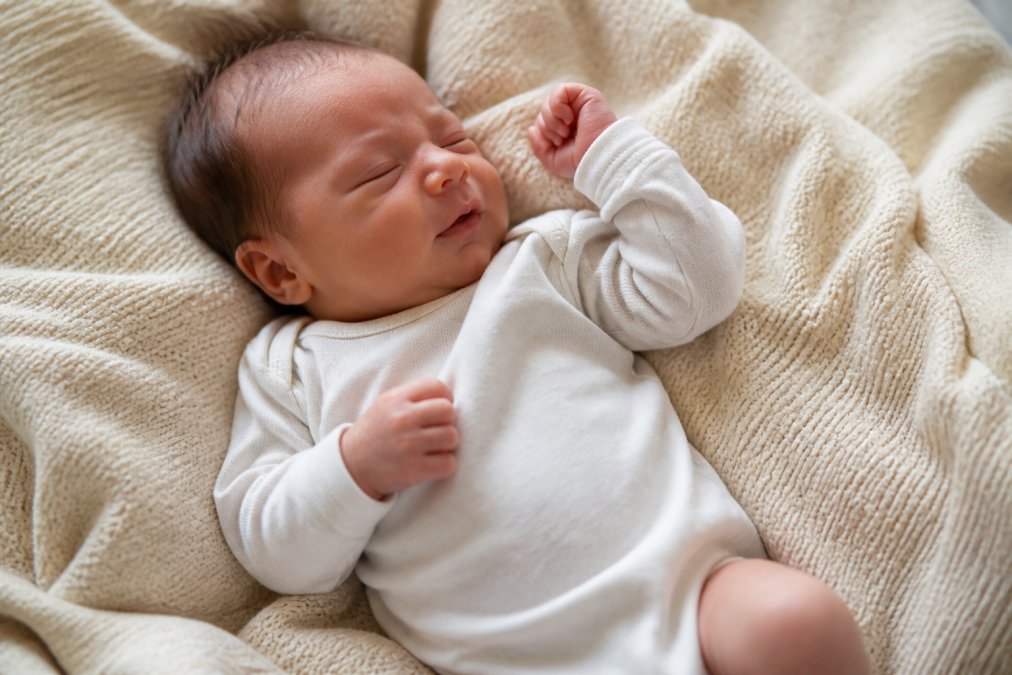
True non-toxicity covers three layers: the fiber itself, the processing chemistry, and finishing treatments. That's why certification matters more than label language.
Organic Cotton vs. Conventional Cotton
Organic cotton is grown without synthetic pesticides, herbicides, or genetically modified seeds. Conventional cotton is one of the most pesticide-intensive crops globally, according to the USDA National Organic Program overview, and chemical residues persist through processing. For a baby wearing a onesie against bare skin for 12 hours daily, that difference is meaningful.
Organic cotton is typically processed with lower-impact dyes and fewer finishing chemicals, making it the baseline for most non toxic baby clothing lines.
Bamboo, Merino Wool, and Tencel Lyocell: How They Compare
Bamboo viscose is extraordinarily soft and naturally moisture-wicking, but converting bamboo to wearable fabric typically involves a chemical-heavy viscose process. Look for brands specifying closed-loop processing, which recaptures and reuses solvents rather than releasing them.
Merino wool offers exceptional thermal regulation and is naturally hypoallergenic in fine grades, best for layering pieces and cooler months.
Tencel lyocell is produced in a certified closed-loop process from sustainably harvested wood pulp. The Lenzing Tencel fiber sustainability documentation confirms the process recovers more than 99% of the solvent used, making it one of the most genuinely eco-friendly fabric options available.
Fabric |
Best For |
Key Benefit |
Watch Out For |
|---|---|---|---|
Organic Cotton |
Everyday wear, newborns |
Breathable, hypoallergenic |
Check processing chemistry |
Bamboo Viscose |
Sleepwear, sensitive skin |
Ultra-soft, moisture-wicking |
Requires closed-loop processing |
Merino Wool |
Layering, cooler seasons |
Thermal regulation |
Fine grade needed for infants |
Tencel Lyocell |
Year-round, eco-conscious |
Biodegradable, pill-resistant |
Often blended, check percentages |
How to Identify Toxic Chemicals in Baby Fabrics
The biggest mistake parents make is trusting label language over third-party verification. "Natural," "gentle," and "eco-friendly" are unregulated marketing terms.
Dyes, Finishes, and Hidden Chemical Residues
Synthetic dyes are a common source of chemical residues in baby clothing. Azo dyes can break down into aromatic amines classified as carcinogenic under standards reviewed by the Consumer Product Safety Commission textile guidelines. Formaldehyde-based finishes and heavy metal pigments in bright colors are additional concerns.
What to look for on a label:
- GOTS certified (covers fiber, dye, and processing)
- OEKO-TEX Standard 100 (tests the finished garment for harmful substances)
- Formaldehyde-free explicitly stated
- Chlorine-free processing
- Low-impact or fiber-reactive dyes
Sensory-Friendly Design Features to Look For
For babies with delicate skin or sensory sensitivities, prioritize:
- Tagless construction: Printed labels instead of sewn tags eliminate irritation
- Flat seams or reverse seams: Reduce friction and irritation
- Snap closures over buttons: Easier to manage and less likely to create pressure points
- Pre-washed fabric: Garments shed excess dye and sizing chemicals
- Generous necklines: Easier to pull over a baby's head without friction
For a child with eczema or reactive skin, these features are the difference between a garment that gets worn and one that gets returned.
GOTS Certified Baby Clothes: Why the Label Matters
GOTS certified baby clothes meet the Global Organic Textile Standard, the most comprehensive certification available for organic textiles. GOTS covers the entire supply chain: fiber sourcing, spinning, dyeing, finishing, and manufacturing. A garment can only carry the GOTS label if every stage meets the standard's chemical and social criteria.
GOTS prohibits formaldehyde, heavy metals above defined thresholds, chlorine bleaches, and azo dyes that release carcinogenic amines. It also requires fair labor practices throughout the supply chain.
GOTS vs. OEKO-TEX Standard 100: Which Covers More?
GOTS certifies the process and supply chain, requiring organic fiber content (minimum 70% for "made with organic," 95% for full "organic") and restricting processing chemistry at every step.
OEKO-TEX Standard 100 tests the finished product for harmful substances. A garment made from conventional cotton can receive OEKO-TEX certification if the final product tests below defined thresholds. For non toxic baby clothing, GOTS is stronger because it prevents harmful chemistry from entering the process. OEKO-TEX Standard 100 is meaningful as a secondary certification. The ideal is both.
Best Non Toxic Kids Clothing Brands Worth Knowing
The brands below were evaluated against certification transparency, fabric quality, and whether their non-toxic claims hold up beyond marketing.
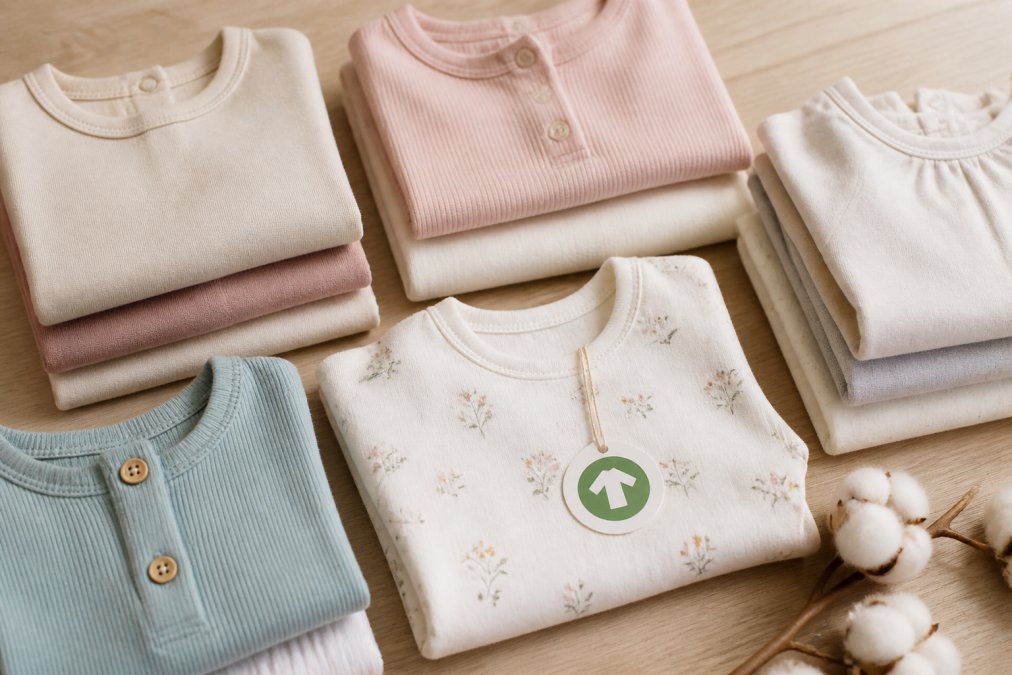
1. Burt's Bees Baby
Burt's Bees Baby is the most accessible entry point into GOTS certified baby clothes, covering newborn essentials through toddler sizes. Their entire clothing line is GOTS certified, verified through the full supply chain. The price point is competitive for certified organic, sizing is consistent, and fabric holds up through repeated washing. The aesthetic skews classic and simple, if you want bold prints or fashion-forward silhouettes, look elsewhere.
2. Colored Organics
Colored Organics pairs GOTS certified organic cotton with wash-tested, vibrant prints that don't fade after the first few cycles. Prints use low-impact, fiber-reactive dyes, which bond chemically with fabric rather than sitting on the surface. This matters for bright colors, which are more likely to involve heavy metal pigments in uncertified lines. Sizing runs slightly generous, which is practical given how quickly babies grow.
3. Finn + Emma
Finn + Emma positions itself at the premium end of non toxic baby clothing, with quality that justifies it. Their garments use GOTS certified organic cotton and fair trade manufacturing, with a design sensibility toward heirloom-quality pieces. The fabric weight is noticeably heavier than most baby brands, translating to durability that survives wash cycles that thinner organic garments don't.
4. L'ovedbaby
L'ovedbaby specializes in the newborn and infant window, exactly where fabric safety matters most. Their organic cotton is GOTS certified, and their signature fabric is notably soft through a specific combing process that removes shorter, rougher fibers. For parents of babies with sensitive skin or eczema, L'ovedbaby comes up repeatedly in real parent discussions for being genuinely non-irritating. Construction details support this: tagless designs, flat seams, and snap closures throughout.
5. Pact
Pact is the budget-conscious entry, offering GOTS certified organic cotton, fair trade manufacturing, and solid everyday basics at accessible prices. Quality is honest rather than exceptional, sizing is consistent, and the basics category is genuinely strong: bodysuits, leggings, sleepwear. For everyday rotation pieces, it's the most practical non toxic option at accessible prices.
Brand |
Certification |
Best For |
Standout Feature |
|---|---|---|---|
Burt's Bees Baby |
GOTS |
Everyday basics |
Wide availability, consistent sizing |
Colored Organics |
GOTS |
Prints and gifts |
Wash-tested, vibrant low-impact dyes |
Finn + Emma |
GOTS + Fair Trade |
Premium gifts |
Heirloom quality, heavier fabric weight |
L'ovedbaby |
GOTS |
Newborns, sensitive skin |
Tagless, flat seams, ultra-soft cotton |
Pact |
GOTS + Fair Trade |
Budget-conscious basics |
Accessible pricing, fair trade certified |
Budget-Friendly Non Toxic Shopping: Getting the Most Value
Certified organic costs more than conventional, and it always will. Certification, traceable supply chains, and lower-impact processing are genuinely more expensive. Several practical approaches stretch a realistic budget further:
- Buy in the next size up. Babies grow faster than sizing charts account for, meaning more actual wear time before outgrowing.
- Focus certification spending on high-contact items. Sleepwear and bodysuits are in direct skin contact longest. These are worth prioritizing for certified organic.
- Watch for seasonal sales. Most organic baby brands run significant end-of-season sales. Buying next season's sizes in advance accesses certified pieces at lower prices.
- Check resale platforms. Certified organic garments hold up well because fabric quality is higher. Pre-owned GOTS certified pieces from reputable brands are genuinely safe, particularly after multiple washes.
According to the Environmental Working Group's guide to children's product safety, prioritizing which products to buy organic is practical for families working within a budget.
Caring for Organic Kids Garments to Make Them Last
Organic kids clothing is an investment that pays back in durability, but only if the care routine supports the fabric.
Washing: Use fragrance-free, dye-free detergent certified for sensitive skin. Wash in cold water to preserve fiber integrity and prevent shrinkage.
Drying: Line drying is gentler on organic fibers than tumble drying and extends garment life significantly. If using a dryer, low heat is essential.
Stain treatment: Oxygen-based stain removers are generally safe for organic fabrics. Avoid chlorine bleach, which degrades organic cotton fibers.
Storage: Store clean, fully dry garments. Damp storage causes mildew, which can damage fabric and cause skin reactions.
Well-cared-for organic cotton garments from quality brands can pass through multiple children without significant degradation, changing the cost calculation considerably.
End-of-Life Recycling and Sustainable Choices Beyond the Purchase
Most guides on non toxic kids clothing stop at purchase. The carbon footprint of a garment doesn't end when your child outgrows it. Organic and natural fiber garments have a significant advantage at end of life: they are biodegradable.
Practical end-of-life options for organic baby clothing:
- Pass on to family or friends. Quality organic garments are genuinely suitable for a second or third child.
- Donate to textile programs. Many organizations accept gently used children's clothing for redistribution.
- Textile recycling. Programs through municipal recycling initiatives accept worn natural fiber garments for mechanical recycling.
- Composting. Pure organic cotton and linen items too worn to donate can be composted. Remove any synthetic snaps or hardware first.
The EPA's Sustainable Management of Textiles resource outlines the environmental impact of textile waste and the hierarchy of preferred disposal methods. Choosing GOTS certified and natural fiber garments from the start makes all these end-of-life options available. Sustainable choices compound. The brand you choose at purchase determines what's possible when the garment is outgrown.
Frequently Asked Questions
What is the safest kids clothes brand?
No single brand is universally safest, but brands that hold GOTS certification and OEKO-TEX Standard 100 certification offer the strongest independent verification. These certifications confirm that garments are free from harmful synthetic chemicals, formaldehyde, and heavy metals. Look for brands that publish their testing results and use pesticide-free, natural fibers like organic cotton or Tencel lyocell. Transparency about their supply chain and ethical manufacturing practices is a strong additional signal of trustworthiness.
How do I know if kids clothes are non-toxic?
Check for third-party certifications printed on the label or listed on the brand's website. GOTS certified and OEKO-TEX Standard 100 labels are the most reliable indicators. Beyond labels, review the fiber content: natural fibers like organic cotton, merino wool, and Tencel lyocell carry fewer chemical residues than synthetic blends. Avoid garments marketed as 'wrinkle-free' or 'stain-resistant,' as those finishes often involve chemical treatments that are not ideal for a baby's delicate skin.
Are GOTS-certified clothes safer for kids?
Yes. GOTS certification covers the entire supply chain, from raw fiber to finished garment. It prohibits toxic dyes, heavy metals, formaldehyde, and chlorine-based bleaches. It also sets ethical manufacturing standards. For non toxic kid clothing, GOTS is one of the most comprehensive certifications available. OEKO-TEX Standard 100 is also strong but focuses on the finished product rather than the full production chain. Using both certifications together as buying criteria gives parents the most complete safety picture.
What kids clothes are safest for kids with sensitive skin?
Children do best in garments made from GOTS certified organic cotton, which is soft, breathable, and free from pesticide residues. Merino wool and Tencel lyocell are also gentle options with natural moisture-wicking and thermal regulation properties. Avoid clothing with rough interior seams, synthetic dyes, or added finishes. Sensory-friendly design features like tagless labels, flat seams, and snap closures reduce friction on delicate skin. Always wash new garments before the first use, even those labeled as pre-washed.
Is non-toxic baby clothing worth the higher price when kids grow so fast?
Organic and GOTS certified kids clothes are often made to a higher construction standard, which means they hold up through repeated washing better than cheaper alternatives. Many parents pass them down to younger siblings or resell them, which offsets the upfront cost. Buying a few well-made, versatile pieces rather than a large quantity of cheaper items is usually the better value. Heirloom quality garments also tend to retain more resale value, making the investment more practical than it first appears.