

Table of Contents
- Why Fabric Choice Matters for Sensitive Skin
- Benefits of Organic Cotton for Children
- Other Soft Fabrics Worth Trying
- Fabrics to Avoid for Eczema
- How to Wash Clothes for Sensitive Skin
- The 'Sensory-Friendly' Construction Guide
- Real-Life Soft Fabrics: What to Look For
- Frequently Asked Questions
Last Updated: September 12, 2026
Why Fabric Choice Matters for Sensitive Skin
The best soft fabrics for sensitive skin manage moisture, sit smoothly against the skin, and carry no irritating chemical residue. Organic cotton, bamboo viscose, Tencel, modal, and silk outperform synthetics because they reduce friction, wick sweat, and let the skin barrier breathe. This guide from Tots & Trends by Morgan covers which fabrics help, which to avoid, and why construction and laundry habits matter as much as the fiber.
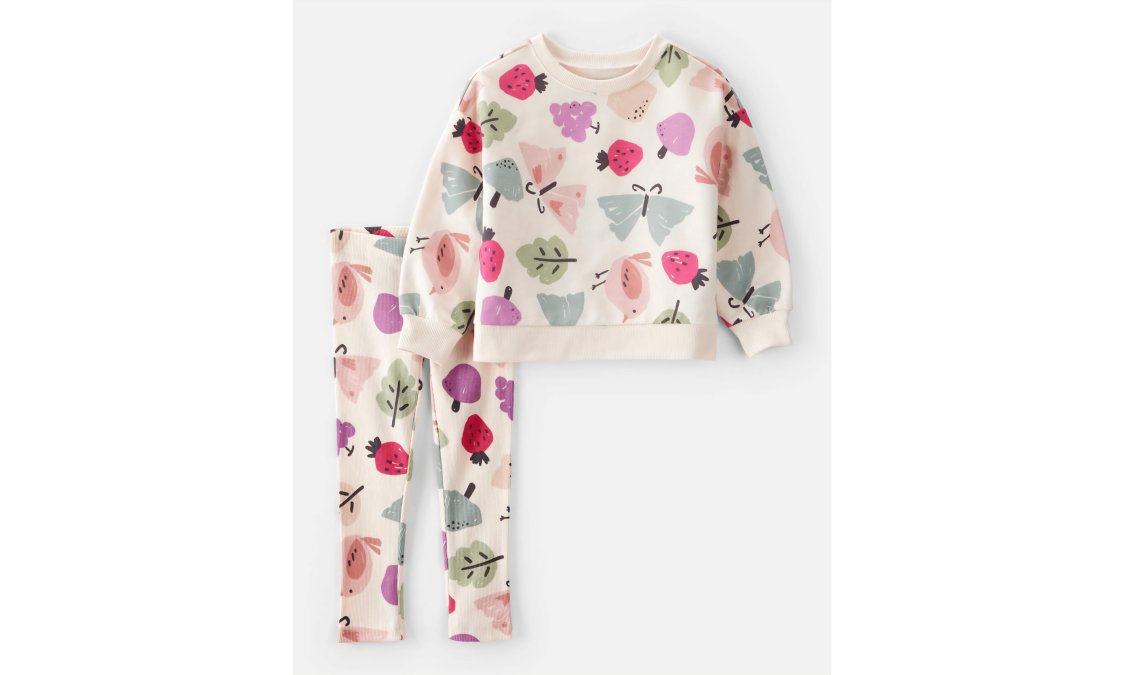
For a child with eczema or contact dermatitis, the wrong fabric can turn a good day into a scratchy one. Young children have a thinner skin barrier, so friction, trapped sweat, and rough seams trigger irritation fast.
Benefits of Organic Cotton for Children
Organic cotton is the safest starting point for sensitive skin: breathable, hypoallergenic, and grown without the synthetic pesticides conventional cotton relies on. Its fibers are soft, moisture-wicking, and gentle enough for daily wear against eczema-prone skin.

The key advantage is what is not in it. Organic certification means the cotton is grown and processed without harsh chemical inputs, which lowers the odds of a reaction from residue left in the finished garment. The USDA Organic standards for textile crops set the rules growers follow, so a certified label tells you the fiber was produced to a defined standard rather than a marketing claim.
Practical benefits parents notice right away:
- Softness that holds up after repeated washing
- Better breathability than polyester blends, which matters for thermal regulation
- Fewer reports of itching and redness compared with synthetic fibers
A common mistake is assuming all cotton is equal. Conventional cotton can be treated with finishing agents and dyes that bother reactive skin, so look for organic certification and OEKO-TEX STANDARD 100 labels.
Other Soft Fabrics Worth Trying
Beyond cotton, several plant-based and protein fibers earn their place in a sensitive-skin wardrobe.
Bamboo Viscose and Its Benefits
Bamboo viscose is prized for its silky smooth texture and moisture-wicking properties. Its round, smooth surface creates less friction than rougher weaves, helping with contact dermatitis, and its cooling effect suits warm sleepwear and summer layers.
The trade-off: bamboo viscose can pill with heavy washing and tends to be less durable than cotton. Treat it gently and it stays soft for a long time.
Tencel and Modal: Sustainable Softness
Tencel and modal are regenerated cellulose fibers with softness that rivals silk and better moisture management than standard cotton. Both are biodegradable and sustainably produced. Modal drapes beautifully and resists shrinkage; Tencel adds a cool, smooth hand feel for active kids.
Where they fall short: they cost more than basic cotton and can be harder to find in toddler sizes, so many families use them as a layering piece rather than the whole wardrobe.
The Role of Silk in Skin Health
Silk is a natural protein fiber with an unusually smooth surface and low fiber diameter, so it glides over skin instead of catching on it. It regulates temperature well, absorbs less sweat than synthetics, and has mild anti-microbial properties that keep odor and bacteria in check.
The honest limitation is care. Silk needs gentle washing and is not the fabric for mud puddles. Use it for sleepwear, liners, and special pieces rather than rough-and-tumble play.
Fabric |
Feel |
Best For |
Watch Out For |
|---|---|---|---|
Organic cotton |
Soft, breathable |
Everyday wear, eczema |
Needs organic certification |
Bamboo viscose |
Silky, cool |
Sleepwear, summer |
Pills with heavy washing |
Tencel / modal |
Smooth, drapey |
Layering, active days |
Higher cost, less common |
Silk |
Luxuriously smooth |
Sleepwear, sensitive flare-ups |
Delicate care required |
Fabrics to Avoid for Eczema
Most guides tell you to avoid polyester, nylon, and acrylic, and that advice is correct as far as it goes. But fiber type is only half the story: a 100% organic cotton shirt treated with a wrinkle-free finish can irritate reactive skin more than a plain synthetic tee, because the finish, not the fiber, often triggers contact dermatitis.
Why synthetics trigger irritation
Polyester, nylon, acrylic, and most synthetic blends share three problems for eczema-prone skin:
- They trap heat and moisture. Synthetic fibers are hydrophobic, so sweat sits against the skin instead of wicking away. Damp skin softens the outer barrier, which lets irritants and allergens penetrate more easily.
- They build static charge. Static pulls lint, dust, and pet dander onto the fabric surface, adding another layer of potential triggers.
- They resist airflow. Tightly woven synthetics reduce evaporation, so the microclimate next to the skin stays warm and humid, exactly the conditions that aggravate flare-ups.
Rough wool is a separate problem: its coarse fiber scales catch on skin and cause mechanical friction. Fine merino in a smooth weave works for many sensitive-skin wearers, but traditional scratchy knits remain a common trigger.
The finishing-agent problem most guides skip
Here is the part competitors rarely cover: the chemicals applied to fabric after it is woven. These finishes are a leading cause of textile contact dermatitis and show up on natural and synthetic fibers alike.
Finish |
Common label claim |
Why it bothers skin |
|---|---|---|
Formaldehyde-based resins |
"Wrinkle-free," "no-iron," "permanent press" |
Slowly release formaldehyde, a known contact allergen |
Flame retardants |
Children's sleepwear, some upholstery |
Can cause irritation and are regulated differently by product category |
Azo dyes and disperse dyes |
Bright, saturated colors |
Common sensitizers, especially in dark or vivid shades |
Optical brighteners |
"Brilliant white" |
Remain on fabric after washing and can provoke reactions |
Antimicrobial treatments |
"Odor-resistant," "antimicrobial" |
Often applied as a topical coating that can migrate to skin |
A garment can pass a quick feel test and still irritate skin because of what was used to finish it. That is why a certification like OEKO-TEX STANDARD 100 matters, it tests the finished article, including dyes and finishes, not just the raw fiber. The Consumer Product Safety Commission guidance on children's sleepwear flammability also explains why some children's garments carry flame-retardant treatments in the first place.
What to watch for on the label
- 100% polyester, nylon, or acrylic, or blends with a high synthetic percentage
- "Wrinkle-free," "stain-resistant," "easy-care," or "permanent press" finishes
- Strong chemical or perfume smell straight out of the package
- Very bright or deeply saturated dyes on an unlined garment worn against skin
- "Antimicrobial" or "odor-resistant" claims on next-to-skin pieces
The takeaway
Avoid synthetics for their heat and moisture behavior, and chemically finished fabrics for their residue. The safest combination is a breathable natural or regenerated fiber with no added finish and a certified dye process.
How to Wash Clothes for Sensitive Skin
A fabric is only as sensitive-friendly as the detergent and routine used to wash it. Residue from detergent, softener, and dryer sheets is one of the most overlooked causes of irritation, and one of the easiest problems to fix.
How fibers interact with detergent
Not every fabric rinses clean the same way. The fiber you wash changes how much detergent, dye, and additive stays behind.
Fiber |
Residue behavior |
What it means for washing |
|---|---|---|
Organic cotton |
Absorbs and releases detergent readily |
Rinses clean with one extra cycle |
Bamboo viscose |
Holds onto softeners and oils |
Skip softener entirely; it clings to the fiber |
Tencel / modal |
Smooth surface, low residue retention |
Rinses easily; avoid overloading |
Silk |
Protein fiber, sensitive to alkaline detergent |
Use a pH-neutral wash; hot water damages the fiber |
Merino wool |
Scales trap detergent and cause felting |
Use a wool-specific, neutral detergent; no agitation |
Synthetics |
Oleophilic, attracts oils and fragrance |
Fragrance and softener cling; rinse twice |
That last row is why synthetic activewear often smells like detergent long after washing: the fiber holds fragrance oils that sit against skin all day.
Ingredients to avoid in detergent
- Fragrance, the most common detergent allergen; "unscented" and "fragrance-free" differ, since unscented products can contain masking fragrance
- Dyes, added for appearance and a frequent sensitizer
- Fabric softener and dryer sheets, coat fibers in a waxy film that traps irritants and reduces absorbency
- Optical brighteners, remain on fabric after washing and can provoke reactions
- Enzymes, helpful for stains but can irritate eczema-compromised skin
A fiber-aware washing routine
- Choose a dye-free, fragrance-free detergent labeled for sensitive skin; for silk and wool, use a pH-neutral formula.
- Skip fabric softener and dryer sheets. For softness, add half a cup of white vinegar to the rinse cycle, it dissipates without residue.
- Add an extra rinse cycle, especially for synthetics and bamboo viscose, which hold detergent more than cotton.
- Wash new clothes before the first wear to remove finishing agents and excess dye.
- Use the warmest water the care label allows for the first wash, then cool water for routine washes.
- Dry on low or line dry; high heat sets wrinkles, damages elastic, and bakes in residue on synthetics.
Common mistakes
- Overloading the machine. Too many items means less agitation and rinsing, so detergent stays in the fabric. Wash smaller loads.
- Using too much detergent. More detergent means more residue, not cleaner clothes. Use the amount for the load size, not the maximum line.
- Washing all fabrics together. Wool lint transfers to cotton, and synthetic fragrance residue can migrate to natural fibers. Separate by fiber type when you can.
- Assuming "baby" detergent is gentler. Some baby formulas still contain fragrance. Read the ingredient list, not the marketing.
The takeaway
Match your wash routine to the fiber. Cotton and Tencel rinse clean easily; bamboo viscose, silk, wool, and synthetics need more care to avoid residue. The right detergent plus an extra rinse does more for reactive skin than any single fabric upgrade.
The 'Sensory-Friendly' Construction Guide
Construction matters as much as fiber, and most guides stop short here. A soft fabric sewn with bulky seams and a scratchy tag can still irritate skin, so how a garment is built deserves the same attention as its content label.
Look for these construction details:
- Flat-felled seams that lie smooth against the skin instead of raised and rough
- Tagless necklines or printed labels, so nothing scratches at the back of the neck
- Covered elastic at waists, which prevents digging and rubbing
- Loose, relaxed fits that reduce friction during movement
- Smooth, dense weaves that resist pilling and stay soft
For kids with sensory processing disorder, these details can make the difference between a shirt they tolerate and one they refuse to wear. Softness is not just a comfort preference; for some children it is a daily requirement.
Real-Life Soft Fabrics: What to Look For
The best soft fabrics for sensitive skin share a few traits you can check in seconds. Use this checklist before you buy.
- Fiber is organic cotton, bamboo viscose, Tencel, modal, or silk
- Label carries OEKO-TEX STANDARD 100 or organic certification
- No "wrinkle-free" or "stain-resistant" finish
- Seams are flat-felled and the neckline is tagless
- Detergent used at home is fragrance-free and dye-free
At Tots & Trends by Morgan, we look for certified fabric and thoughtful construction, like our Oeko-Tex certified cotton pullovers and French terry sweatshirts, so parents can trust what touches their child's skin. Matching a soft fiber with a smooth weave and a gentle wash routine keeps reactive skin calm. Matching a soft fiber with a smooth weave and a gentle wash routine keeps reactive skin calm.
For families managing eczema, the payoff is real: fewer flare-ups, less scratching, and clothes kids actually want to wear. Start with one or two certified basics, test how your child's skin responds, and build from there.
Choosing the right fabric for a child with sensitive skin can feel like trial and error, but it does not have to be. Start with certified organic cotton or a smooth plant-based fiber, avoid synthetic blends and chemical finishes, and wash everything with a fragrance-free routine. Tots & Trends by Morgan curates on-trend children's clothing with a focus on style, quality, and comfort, including Oeko-Tex certified fabrics that treat reactive skin gently. Explore the collection and dress your little one in softness that lasts. SHOP NOW.
Frequently Asked Questions
What is the softest fabric that is best for sensitive skin?
Organic cotton is often considered the softest and safest for sensitive skin because it is grown without harsh chemicals and has a smooth, breathable texture. Look for fabrics with a high thread count and a soft finish. Bamboo viscose and Tencel are also very soft, but organic cotton is widely recommended by dermatologists for its low irritation risk.
Which fabric is best for sensitive skin?
Natural fibers like organic cotton, silk, and linen are generally best for sensitive skin. They allow air to circulate, wick moisture away, and reduce friction. Avoid synthetic fabrics like polyester and nylon, which can trap sweat and cause irritation. Fabrics with a smooth weave and no harsh chemical finishes are ideal.
What fabric to avoid for eczema?
Avoid wool, coarse synthetics like polyester and nylon, and fabrics treated with formaldehyde or other harsh finishes. These can trigger itching and inflammation. Also skip rough seams, tags, and tight elastic. Instead, choose soft, breathable fabrics like organic cotton, bamboo viscose, or Tencel that are gentle on eczema-prone skin.
How does fabric breathability affect skin sensitivity?
Breathable fabrics allow air to flow and moisture to evaporate, which helps maintain a healthy skin barrier. When fabric doesn't breathe, sweat and heat build up, leading to irritation, itching, and flare-ups. Natural fibers like cotton and linen are highly breathable, while synthetic fabrics often trap moisture and heat, worsening sensitivity.