

Table of Contents
- What Makes Clothing Sensory-Friendly for Kids
- Tagless Clothing for Kids: Why Labels Matter
- Soft Fabrics and Seamless Socks for Kids
- Matching Sets That Work for Everyday Play
- Sensory-Friendly Winter Clothes for Kids
- Comfortable Birthday Outfits for Kids with Sensory Sensitivities
- Frequently Asked Questions
Last Updated: October 17, 2026
What Makes Clothing Sensory-Friendly for Kids
Sensory sensitivities in children are real and often overlooked when shopping for everyday wear, which is why comfortable play clothes for sensory sensitive kids require careful selection. Many parents struggle to find clothing that doesn't trigger discomfort, irritation, or meltdowns in their kids.
Sensory-friendly clothing removes common irritants that bother sensitive children: scratchy seams, stiff fabrics, restrictive fits, and uncomfortable tags. Kids with sensory sensitivities often experience heightened awareness of texture, pressure, and movement.
The key features that define sensory-friendly clothing include soft, breathable fabrics, seamless or flat-seam construction, tagless designs, and relaxed fits that allow freedom of movement without binding or chafing.
Tagless Clothing for Kids: Why Labels Matter
Tagless clothing for kids eliminates one of the most common sensory triggers: neck and waistband labels. Many children with sensory processing differences find traditional woven tags unbearably itchy or irritating, even after washing.
Tagless designs solve this problem by using printed or embroidered labeling directly on the garment instead of stitching a separate tag.
When shopping for sensory-sensitive kids, prioritize tagless options across all clothing categories. The American Academy of Pediatrics recognizes sensory processing differences as a legitimate concern for many children, and removing irritants like tags is a practical first step.
Look for brands that use interior tagless designs consistently rather than just on select items. Inconsistency means parents have to inspect every piece before purchasing, which defeats the purpose of simplified shopping.
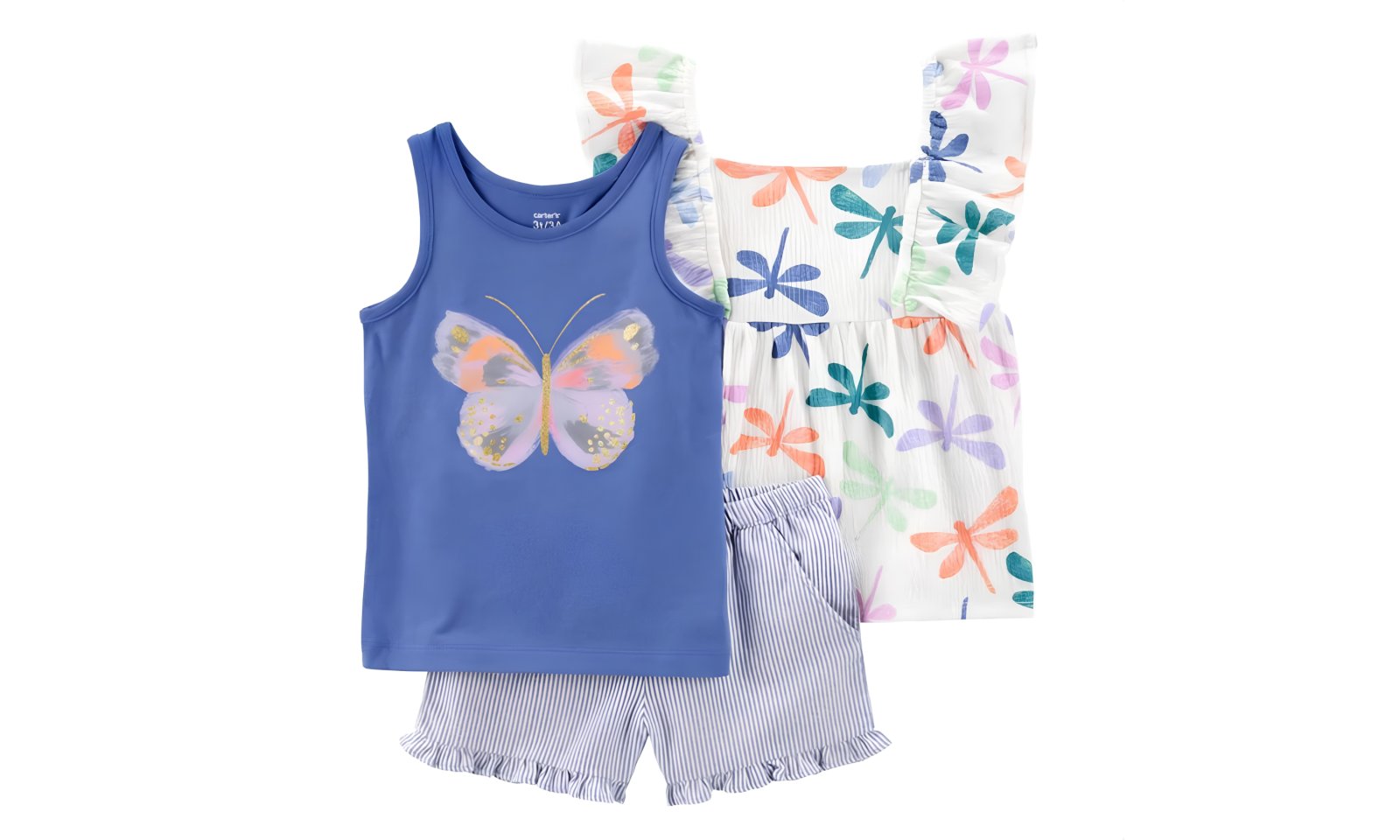
The Carter's Kids' 3-Piece Playwear Set offers a practical example of this approach. The set includes multiple tops and shorts in soft cotton blends, designed with comfort as the priority.
Soft Fabrics and Seamless Socks for Kids
The fabric choice makes or breaks sensory-friendly clothing. Cotton dominates sensory-friendly wardrobes because it breathes, softens with washing, and feels gentle against skin.
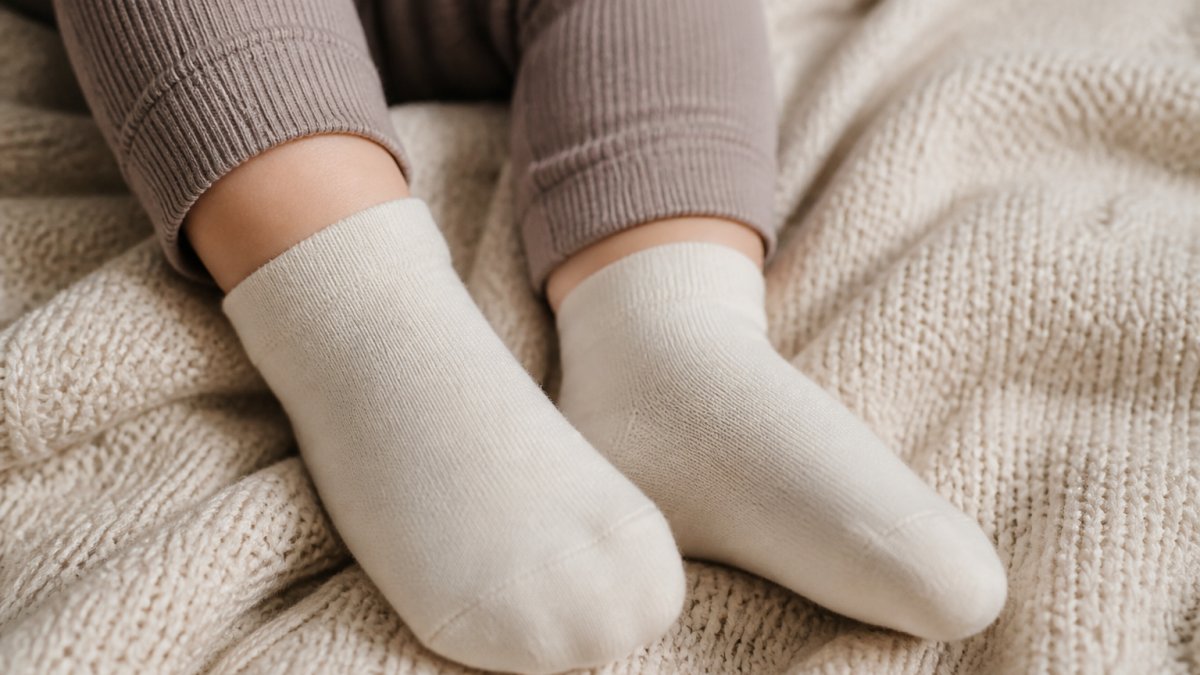
Seamless socks for kids are a game-changer for sensory-sensitive children. The toe seam in traditional socks creates a pressure point that bothers many kids throughout the day.
When evaluating fabric softness, consider how garments feel after multiple washes. Look for fabrics certified by independent standards like OEKO-TEX, which verify that textiles meet strict safety and comfort requirements (OEKO-TEX® STANDARD 100).
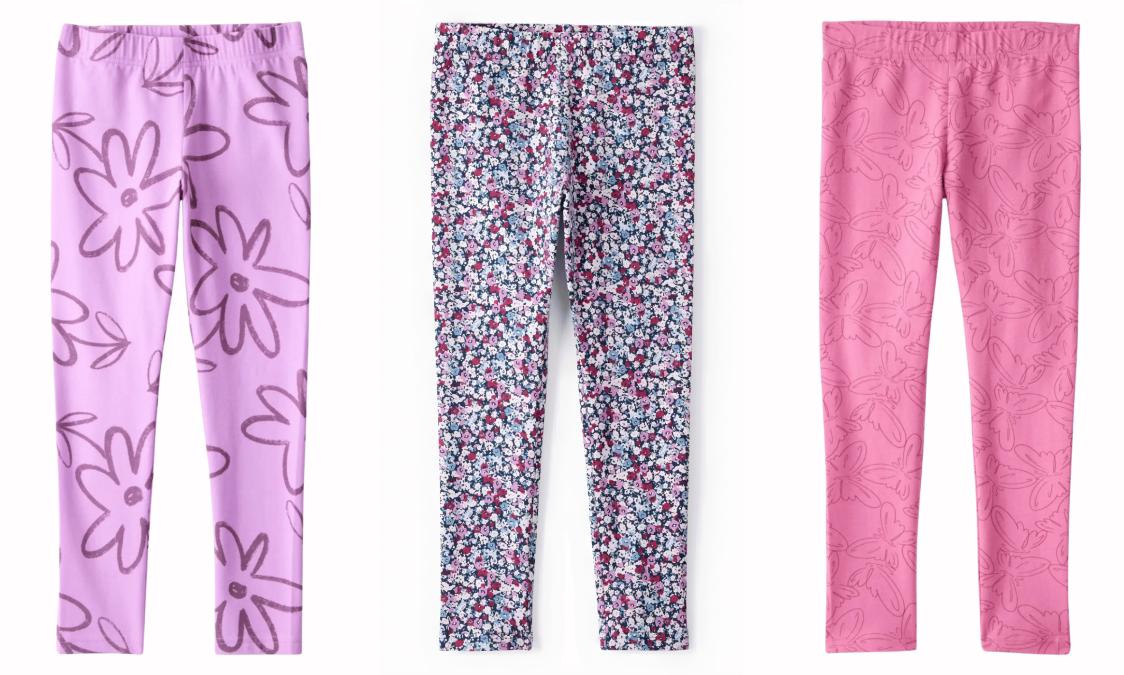
The Carter's Girls Pull-On Stretch Leggings ($16.00) exemplify this approach. Made from 93% cotton and 7% elastane with OEKO-TEX certification, they provide the softness and flexibility sensory-sensitive kids need.
Avoid synthetic fabrics that don't breathe well or feel plastic-like against skin. Polyester-heavy blends often trap heat and moisture, which can trigger sensory distress in sensitive children.
Matching Sets That Work for Everyday Play
Matching sets simplify mornings for busy parents while ensuring sensory-sensitive kids have coordinated, comfortable outfits ready to go. Sets eliminate the decision-making process and guarantee that each piece meets sensory-friendly standards. For fall and winter, the strongest sets pair a soft long-sleeve top with stretchy pants or joggers, so kids get warmth without the bulk and restriction.
Quality matching sets combine thoughtfully selected pieces that work together without forcing kids into uncomfortable compromises. A set with a soft long-sleeve top and stretchy leggings works for cooler days, while a brushed-fleece hoodie and jogger pairing handles colder mornings.
What to check before you buy a set
- Waistband construction. A covered, flat elastic waistband distributes pressure evenly. Exposed elastic or a drawstring that bunches can create a pressure point that bothers kids all day.
- Seam placement. Look for flatlock or flat seams at the shoulders and sides. Raised seams under the arms or across the seat are common triggers during active play.
- Cuff and hem tension. Ribbed cuffs should hug without pinching. If a cuff leaves a deep mark after five minutes, the set will not survive a full day.
- Fabric weight. For fall and winter, a midweight cotton or cotton-blend jersey breathes while holding warmth. Very thin jersey feels cold; very heavy fleece can overheat active kids.
- Tagless consistency. Confirm both the top and the bottom use printed or heat-transfer labels, not just the shirt.
Fit guidance by stage
Sizing is where many sensory-friendly sets fail. A common pattern is that parents size up for growth, but an oversized set can bunch, twist, and shift during play, which creates its own sensory problems. Instead, aim for a fit with about a thumb's width of room at the shoulder and enough length in the pant leg to cover the ankle without dragging.
Carter's Kids' 3-Piece Playwear Set →
- Babies and early toddlers: Look for sets with envelope necks or wide crew necks that stretch over the head without tugging ears, and pants with a soft, wide waistband that sits above the diaper line.
- Active toddlers: Choose joggers with a slightly tapered leg so fabric does not bunch at the ankle, and tops with a drop-shoulder or raglan cut that allows arm movement without pulling at the underarm.
- Preschoolers: Prioritize sets where the top and bottom can be worn separately, so a spill on the shirt does not sideline the whole outfit.
Budget and reuse
Matching sets earn their place in a sensory-friendly wardrobe when they work across seasons and siblings. A midweight long-sleeve set worn alone in fall can become a base layer under a fleece jacket in winter, which stretches the cost per wear. Buying two sets in coordinating solid colors rather than one character-print set also lets pieces mix across outfits, so a lost or stained item does not retire the whole look. Pass-down value is highest with solid colors and simple prints that do not date quickly.
Photo-ready coordination without the fuss
Sets also solve the coordination problem for photos and outings. Choosing one set in a solid color and one in a simple print lets you build family photo outfits without matching everyone exactly. Keep accessories minimal, a soft beanie or a plain headband, so the sensory-friendly base layer stays the star and nothing scratchy or tight gets added at the last minute.
Sensory-Friendly Winter Clothes for Kids
Winter presents unique challenges for sensory-sensitive children. Bulky outerwear, layering requirements, and heavy fabrics can overwhelm kids who struggle with tactile input.
Sensory-friendly winter clothes for kids should prioritize lightweight insulation over bulk. Fleece jackets offer warmth without the stiffness of traditional winter coats.
The Lands' End Kid's Full Zip Jacket ($35.00) uses brushed fleece with stretch binding on cuffs and hem.
Layering works better than single heavy pieces for sensory-sensitive kids. A soft long-sleeve shirt under a fleece jacket provides warmth with more comfort than a single bulky coat.
The Carter's Toddler Boys Hoodie and Joggers, 2-Piece Set ($34.00) offers a practical layering option.

Comfortable Birthday Outfits for Kids with Sensory Sensitivities
Birthday celebrations deserve special outfits, but sensory-sensitive kids need clothing that feels as good as it looks. The challenge is balancing photo-ready style with the comfort and fit that keeps kids happy throughout the party. Most birthday outfit guides focus on looks alone; the practical gap is adapting a special-occasion outfit for the weather, the venue, and the party activities without triggering discomfort.
Start with the party, not the outfit
Before choosing pieces, map the party conditions. A fall party at a park, an indoor gathering, and a winter celebration at home each call for different layers. The outfit should be built around what the child will actually be doing: running, sitting for cake, opening gifts, or posing for photos.
- Outdoor fall party: A soft long-sleeve tee under a lightweight fleece or a cotton-blend sweatshirt gives warmth that can be shed as the child runs. Avoid stiff jackets that restrict arm movement.
- Indoor party: A single soft long-sleeve top or a cotton dress with leggings is often enough. Indoor heating plus active play can overheat kids in heavy layers.
- Winter celebration: Build from a soft base layer, add a brushed-fleece mid layer, and keep the outer layer easy to remove. A hooded fleece is easier to manage than a bulky coat.
Adapt the outfit for party activities
Messy activities like cake, crafts, and games are where special outfits fail. Choose pieces that can be wiped clean or washed easily, and keep a spare set in the car or bag. For crafts and games, a soft apron or an oversized tee worn over the outfit protects without adding scratchy ties or tight elastic.
Photo time is another pressure point. Instead of a stiff collared shirt or a dress with tulle, use color and simple prints to make the outfit feel festive. A solid long-sleeve top in a bright color paired with coordinating joggers reads as intentional in photos.
Sensory triggers to avoid in birthday outfits
- Stiff tulle, taffeta, or organza skirts and sleeves
- Scratchy sequins, beading, or appliques that rub against skin
- Tight waistbands, especially exposed elastic or drawstrings
- Restrictive closures such as buttons at the back of the neck or stiff zippers
- Stiff collars and cuffs that hold their shape against the skin
A comfort-first formula that still looks special
A reliable pattern is a soft long-sleeve top or cotton dress as the base, coordinating leggings or joggers for movement, and one small festive detail such as a simple print, a color-blocked panel, or a soft headband. This formula works across fall and winter because each layer can be added or removed as the party moves from outdoors to indoors and back.
Frequently Asked Questions
What fabrics are most comfortable for sensory-sensitive kids?
Cotton and cotton-blend fabrics work best for sensory-sensitive children. Look for high cotton content (90% or higher) combined with a small amount of elastane for stretch. Avoid rough synthetics or stiff materials. Soft French terry, jersey knit, and fleece provide comfort without irritation. Our Carter's French Terry Pullover Sweatshirt ($34.00) uses 100% cotton for all-day comfort, while the Carter's Toddler Girl Cotton Long-Sleeve Tee & Pant Set ($34.00) features breathable cotton blends that move with your child.
Are seamless clothes and socks better for kids with sensory sensitivities?
Yes, seamless or flat-seam construction significantly reduces irritation for sensory-sensitive children. Seamless socks eliminate the bulky toe seam that often bothers sensitive kids. Flat seams on clothing sit smoothly against skin rather than creating pressure points. Our Carter's Girls Pull-On Stretch Leggings ($16.00) feature a flexible fit with minimal seaming, and many of our matching sets use tagless interiors and smooth construction designed with sensory comfort in mind.
How can I help my sensory-sensitive child tolerate clothing tags?
Tagless clothing eliminates this challenge entirely. Look for pieces with printed labels or no labels at all, rather than sewn-in tags. Many children with sensory sensitivities find even soft tags irritating against their skin. Our Under Armour Tech sets feature tagless interiors, and Carter's playwear sets use minimal labeling. If your child already owns tagged clothing, carefully cutting out tags or using tag-removal services can help, but starting with tagless options prevents the problem from the start.
What should a sensory-sensitive child wear to a birthday party?
Choose soft, stretchy fabrics in a matching set that feels familiar and comfortable. Avoid stiff materials, tight waistbands, or anything with scratchy embellishments. A comfortable matching set like our Carter's 3-Piece Playwear Set ($25.00) or Under Armour 2-Piece Set ($40.00) allows your child to move freely while staying photo-ready. Pair it with soft socks and comfortable shoes your child has worn before. Skip anything new or untested on party day.