

Table of Contents
- Why a Capsule Wardrobe Works for Busy Families
- How to Declutter Your Closet Before You Build
- Choosing a Capsule Wardrobe Color Palette for Kids
- The Capsule Wardrobe Checklist: What to Keep and What to Buy
- Building the Capsule Step by Step
- Seasonal Capsule Wardrobe Guide for Growing Kids
- Budget Tips and Common Mistakes to Avoid
- Frequently Asked Questions
Last Updated: September 16, 2026
Why a Capsule Wardrobe Works for Busy Families
A capsule wardrobe is a small, curated collection of clothing that mixes and matches into many complete outfits, and for families it solves a daily problem: too many clothes, nothing to wear, and a morning rush that never ends. A capsule wardrobe is a small, curated collection of clothing that mixes and matches into many complete outfits, and for families it solves a daily problem: too many clothes, nothing to wear, and a morning rush that never ends.
The math is simple. Fewer pieces means fewer decisions, less laundry, and less money spent on clothes that get worn twice. A minimalist wardrobe for a child usually works best with 25 to 40 items per season, depending on age and how often you do laundry.
How to Declutter Your Closet Before You Build
Decluttering comes first, and it is the step most parents skip. You cannot build a capsule wardrobe on top of a closet full of clothes that do not fit.
Start with three bins: keep, donate, and store. Pull everything out of the dresser and closet, then sort each item by asking three questions.
- Does it fit right now? Not "in a few months." Right now.
- Has it been worn in the last 30 days?
- Is it comfortable enough for a full day of play?
Anything that fails two of the three goes in donate or store. A common mistake is keeping clothes that are "almost" the right size. Those items create clutter and false choices every morning. For guidance on what children actually need at each stage, the American Academy of Pediatrics guidance on child development is a useful reference point when you are deciding what to keep.
Choosing a Capsule Wardrobe Color Palette for Kids
A cohesive color palette is what makes a small wardrobe feel bigger than it is. Pick two neutral tones and two or three accent colors, then buy almost everything within that range.
Neutral tones like navy, gray, oatmeal, and denim blue do the heavy lifting. Accent colors can shift with the season or match your child's favorites. The test is simple: every top should work with every bottom. If a piece only matches one other item, it does not belong in a capsule.
For kids, this matters even more than it does for adults. A child who can grab any top and any bottom and have them look intentional gains independence, and you gain back your mornings.
The Capsule Wardrobe Checklist: What to Keep and What to Buy
A working capsule wardrobe checklist covers five categories: tops, bottoms, layers, footwear, and accessories. Here is a practical breakdown for one season.
Category |
Items to Include |
Typical Count |
|---|---|---|
Tops |
Tees, long sleeves, one nicer top |
8-10 |
Bottoms |
Leggings, joggers, jeans, shorts |
5-7 |
Layers |
Hoodie, fleece jacket, cardigan |
3-4 |
Footwear |
Everyday sneakers, one dressier pair |
2-3 |
Accessories |
Socks, hat, one hair item |
4-6 |
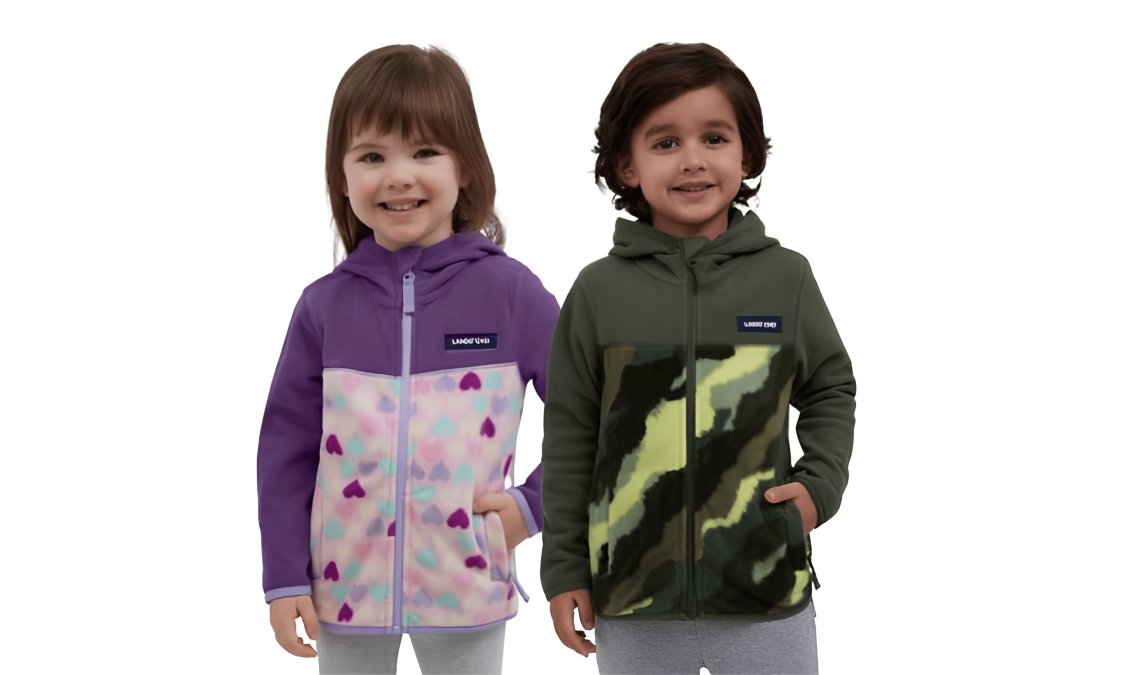
Layering pieces earn their place because they extend a capsule across temperature swings. A hooded fleece jacket in a neutral tone, for example, works over tees in spring and under a heavier coat in fall. That kind of versatility is what keeps a capsule functional instead of restrictive.
Building the Capsule Step by Step
Building a capsule wardrobe takes about an hour once you have decluttered, and it follows four steps: set your size and modules, choose mix-and-match pieces, build a digital inventory, then run a two-week wear test before you buy anything else. The digital inventory is the step most guides skip, and it is the one that keeps a small wardrobe working as your child grows.
Step 1: Choose Your Capsule Size and Modules
Set a target number before you shop. For a toddler, 25 to 30 pieces per season is plenty. For a school-age child, 30 to 40 gives more room for activities and dress codes. Count footwear and outerwear in the total, but leave socks, underwear, and pajamas out, those are consumables, not capsule pieces.

Then break the capsule into modules: school or daycare, play, and special occasion.
Lands' End Kid's Full Zip Jacket →
Step 2: Pick Mix-and-Match Pieces
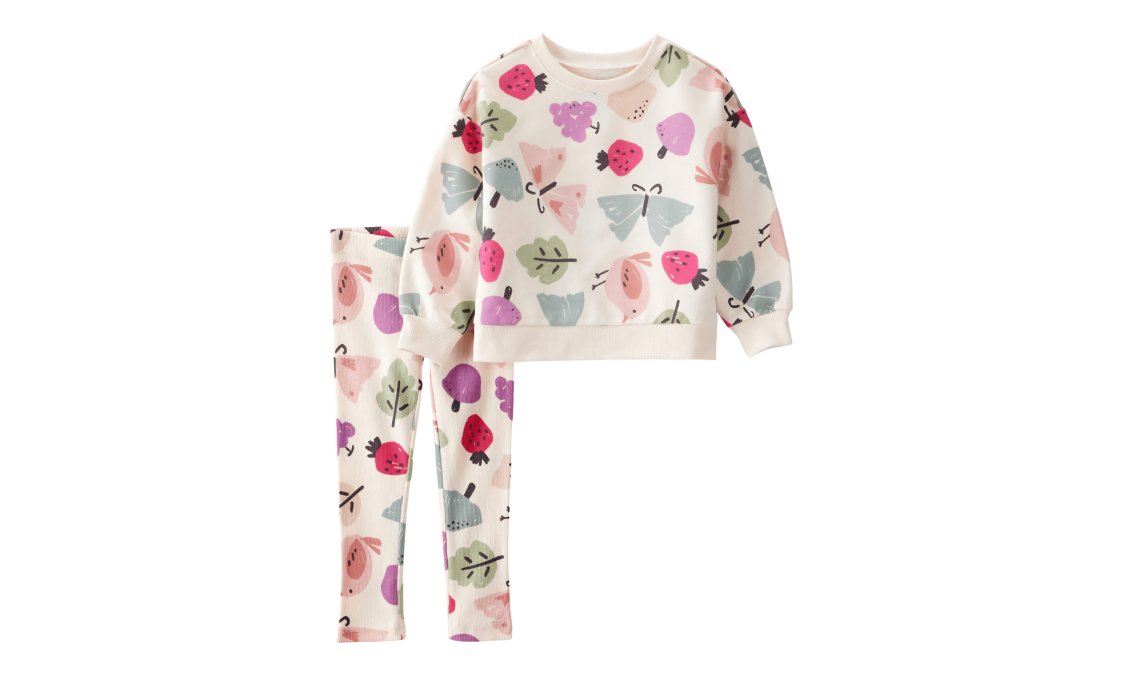
Every piece should combine with at least three others. A coordinated set makes this easy because the matching is already done. A two-piece set with a zip-front jacket and jogger pants, for instance, delivers three outfits on its own: the full set, the jacket with other bottoms, and the joggers with other tops.
Step 3: Build a Digital Inventory
A simple list on your phone is enough to start, but a spreadsheet or a wardrobe app makes the system self-maintaining. Set up columns for item, category, size, color, cost, and wear count. Log each piece as it enters the capsule, then add a tally mark each time it gets worn.
Step 4: Run a Two-Week Wear Test
Before you buy a single new piece, dress your child from the existing capsule for two weeks. Note every morning when something does not fit, does not match, or does not get chosen. Those notes are your shopping list. Parents who skip the wear test tend to buy duplicates of what they already own and still come up short on the pieces that actually get used.
Seasonal Capsule Wardrobe Guide for Growing Kids
A seasonal capsule wardrobe guide has to account for the fact that children grow constantly. The fix is to build in overlap rather than replacing everything at once, and to treat each season as a small edit instead of a full reset.
Build Around a Three-Layer System
Instead of buying separate summer and winter capsules, build one core capsule and swap the outer layers. The base layer stays consistent year-round: short-sleeve and long-sleeve tees in your neutral tones. The mid layer changes by season: a hooded fleece or cardigan in spring and fall, a lighter cotton layer in summer. The outer layer is the only piece that truly changes: a heavier coat or insulated jacket for winter.
Review at Each Season Change
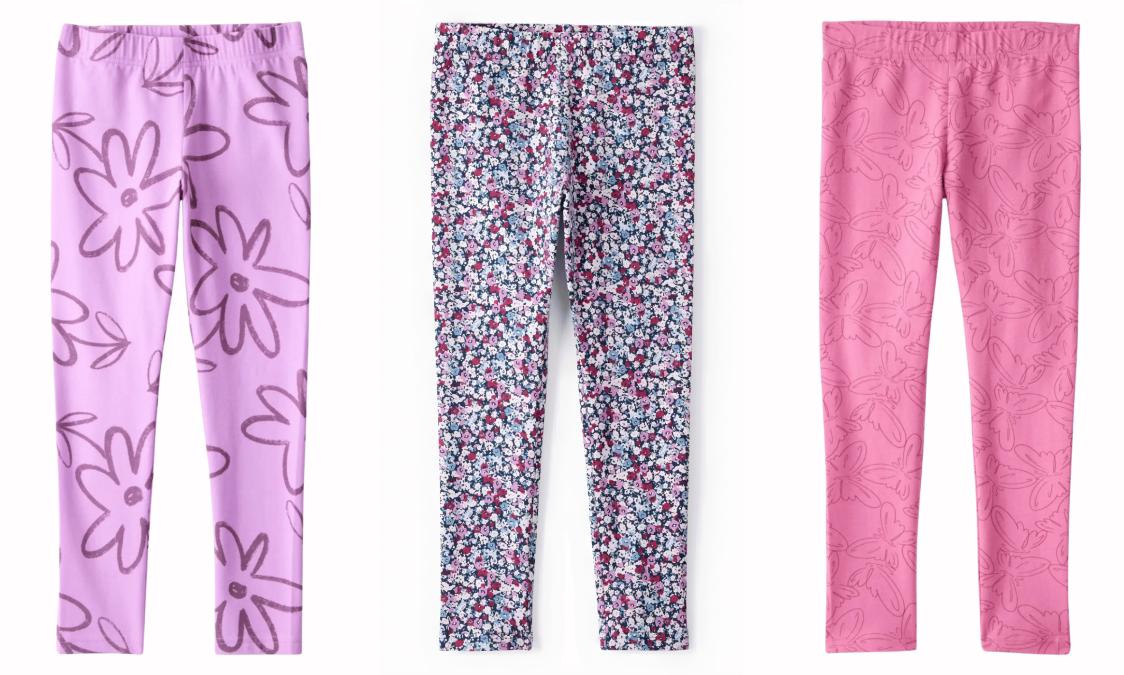
Review the capsule at each season change and remove anything that no longer fits. Sizes that run consistently across a brand make this easier, since you can reorder a favorite piece in the next size up without guessing. Cotton-rich leggings with a bit of stretch tend to hold their shape through repeated washing, which matters when a piece is in the rotation twice a week.
Capsules for Specific Lifestyles
A generic capsule assumes one kind of day. Real families juggle several, and sizing the capsule to the dominant lifestyle is what makes it work. Three common patterns:
- Remote work or home-based families. The capsule skews toward comfortable play clothes and fewer dressy pieces. Layers matter more than structure, because the day moves between indoor and outdoor play.
- Frequent travel. A travel capsule should fit in a carry-on and lean on pieces that wash and dry overnight. Choose quick-dry fabrics, stick to two neutrals, and pack three bottoms and five tops, that combination produces enough outfits for a week.
- Post-partum or new-sibling transitions. The capsule should prioritize easy on-and-off, machine-washable fabrics, and forgiving fits. Sizing up one in tops and bottoms gives room for recovery without buying a separate wardrobe.
Budget Tips and Common Mistakes to Avoid
Budget control comes down to cost-per-wear, which is the price of a piece divided by how many times it gets worn. A well-made piece worn twice a week for a season beats a cheap one worn twice.
Here is where most parents go wrong:
- Buying too many tops and not enough bottoms, which limits outfit combinations
- Skipping layers, then scrambling when the weather shifts
- Ignoring fabric content, then dealing with pilling and fading after a few washes
- Shopping without a list, which is how closets fill up with near-duplicates
Frequently Asked Questions
How do I start building a capsule wardrobe if I have too many clothes?
Start with a full closet declutter before buying anything new. Pull everything out, sort into keep, donate, and toss piles, and set aside anything stained, outgrown, or unworn in the past year. Then group what remains by category, like tops, bottoms, and outerwear, so you can see the real gaps. Most families find they already own 60 to 70 percent of a working capsule and only need a few mix-and-match pieces to complete it.
How many items should be in a kid's capsule wardrobe?
A practical range is 25 to 40 pieces per child, including tops, bottoms, layering pieces, outerwear, shoes, and accessories. Younger toddlers usually need fewer items because they outgrow sizes quickly, while school-age kids benefit from a slightly larger count to handle spills and laundry cycles. The exact number matters less than how well each piece mixes with the others, so prioritize versatility over hitting a specific total.
How do I choose a capsule wardrobe color palette for my child?
Pick two or three neutral tones as your base, then add two accent colors your child actually likes wearing. Neutrals like navy, gray, and oatmeal make outfit combinations easy because almost everything matches. Test the palette by laying pieces side by side: if at least three tops work with three bottoms, the palette is doing its job. This approach also makes hand-me-downs and sibling sharing simpler.
Can a capsule wardrobe work for both everyday wear and special occasions?
Yes, with a small number of flexible pieces. Build the core around durable everyday items, then add one or two dressier options like a matching set that works for photos, holidays, or family events. Choosing fabrics that hold up in the wash, such as cotton blends with a bit of stretch, means the same pieces move between playdates and milestone moments without extra shopping.