

Table of Contents
- Start with Wardrobe Essentials for Babies
- How Many Baby Clothes Do You Actually Need
- Choose Quality Fabrics: Why Organic Cotton Baby Clothes Matter
- Use a Baby Clothing Size Guide to Plan Ahead
- Build Your Sustainable Baby Wardrobe Step by Step
- Extend Your Baby's Wardrobe with Secondhand Baby Clothes
- Care for Baby Clothes to Make Them Last
- Frequently Asked Questions
Last Updated: October 10, 2026
Start with Wardrobe Essentials for Babies
Building a sustainable baby wardrobe means prioritizing quality over quantity. A thoughtful approach saves money, reduces waste, and ensures your baby stays comfortable through every season.
Start with versatile basics: bodysuits, long-sleeve tops, leggings, and neutral cardigans. These pieces layer well, transition between seasons, and one well-made bodysuit outlasts three cheap alternatives.
How Many Baby Clothes Do You Actually Need
The answer depends on your laundry schedule, climate, and growth rate. Most parents need far fewer clothes than they initially purchase.
Start with Your Laundry Reality
Laundry frequency is the biggest driver of quantity. Be honest about your actual schedule, not your ideal one.
Weekly laundry (most common):
- 7-10 bodysuits or onesies
- 5-7 pairs of pants or leggings
- 3-5 long-sleeve tops for layering
- 2-3 cardigans or lightweight sweaters
- 5-7 pairs of socks
- 1-2 sleep sacks or pajama sets per season
- 1-2 outfits for special occasions
Every 10 days:
- 8-10 bodysuits or onesies
- 6-8 pairs of pants or leggings
- 3-4 long-sleeve tops for layering
- 3-4 cardigans or lightweight sweaters
- 6-8 pairs of socks
- 2 sleep sacks or pajama sets per season
- 1-2 outfits for special occasions
Twice weekly (less common, but some parents prefer it):
- 5-7 bodysuits or onesies
- 4-6 pairs of pants or leggings
- 2-3 long-sleeve tops for layering
- 2-3 cardigans or lightweight sweaters
- 4-6 pairs of socks
- 1-2 sleep sacks or pajama sets per season
- 1-2 outfits for special occasions
Factor in Climate and Layering Needs
Cold climates require more layering pieces and outerwear; mild climates need fewer.
Account for Growth Rate and Outfit Changes
If your baby grows quickly, buy fewer pieces per size to avoid waste. If growth is slow, invest in slightly more pieces knowing they'll be worn longer.
Count daily outfit changes. Add 2-3 extra pieces if your baby changes clothes more than once daily.
Use This Decision Framework
- Write down your laundry schedule (weekly, every 10 days, etc.).
- Note your climate and the current season's temperature range.
- Estimate growth rate based on your baby's age and development (newborns grow fastest; toddlers slow down).
- Count typical daily outfit changes (spills, diaper mishaps, play, weather).
- Use the table below to find your baseline, then adjust up or down by 1-2 pieces per category if growth is very fast or very slow.
Laundry Frequency |
Bodysuits/Tops |
Pants/Leggings |
Sweaters |
Socks |
Pajama Sets |
|---|---|---|---|---|---|
Weekly |
7-10 |
5-7 |
2-3 |
5-7 |
1-2 |
Every 10 days |
8-10 |
6-8 |
3-4 |
6-8 |
2 |
Twice weekly |
5-7 |
4-6 |
2-3 |
4-6 |
1-2 |
For cold climates, add 2-3 sweaters and 3-4 socks to any row above.
Why Less Is More (and Saves Money)
A 10-piece capsule wardrobe of quality pieces is more sustainable and budget-friendly than a 30-piece closet where half the items never fit properly or get worn.
Choose Quality Fabrics: Why Organic Cotton Baby Clothes Matter
Organic cotton baby clothes eliminate pesticide residues and synthetic chemicals that irritate sensitive skin. Organic cotton grows without synthetic pesticides or fertilizers.
Organic cotton feels softer, maintains its shape, and breathes better than synthetic blends. When building a sustainable baby wardrobe, organic cotton pieces justify their higher upfront cost through durability and comfort.
Natural Fibers and Certifications
Look for third-party certifications: GOTS (Global Organic Textile Standard) ensures organic cotton meets strict environmental and social standards. OEKO-TEX certification verifies fabrics are free from harmful chemicals.
The GOTS certification standard requires that organic cotton is grown without synthetic pesticides and processed without toxic dyes. OEKO-TEX testing checks for over 300 harmful substances. When you see these labels on baby clothes, you know the garment meets rigorous standards for safety and environmental responsibility.
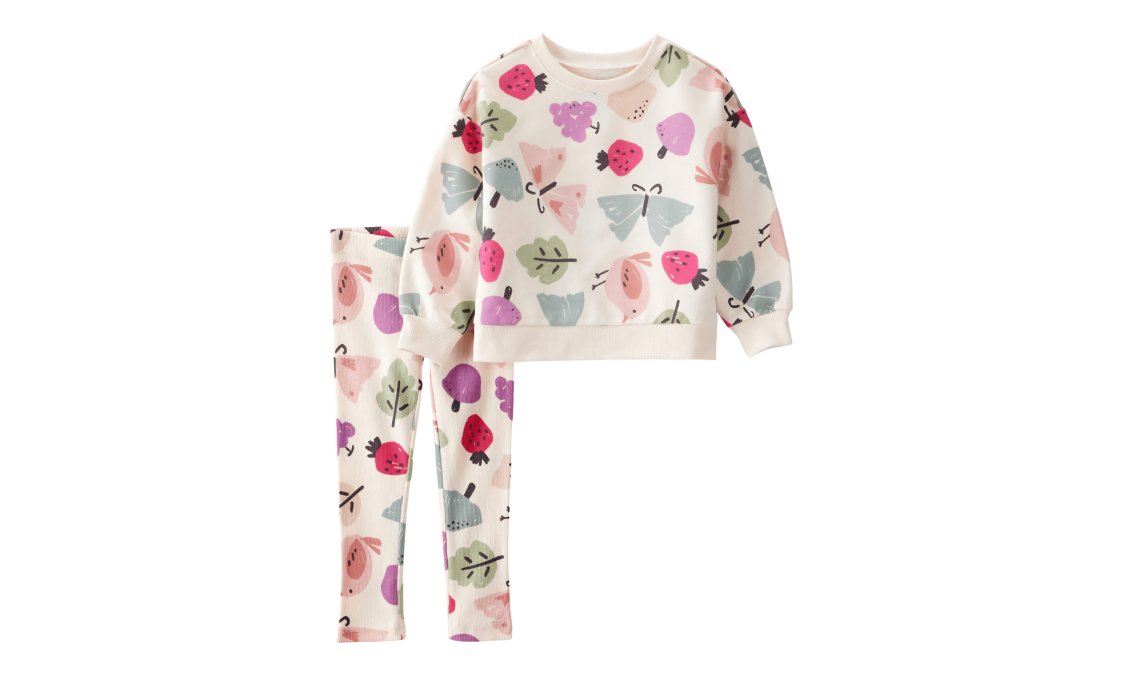
At Tots & Trends by Morgan, we prioritize pieces like the Carter's Toddler Girl Cotton Long-Sleeve Tee & Pant Set that combine quality fabrics with thoughtful design. This set features 100% cotton construction that's gentle on sensitive skin.
Use a Baby Clothing Size Guide to Plan Ahead
A reliable baby clothing size guide prevents buying clothes that never fit.
Measure your baby's length and compare it to the brand's specific measurements rather than assuming size based on age alone. Keep a record of what sizes work across different brands.
When building a sustainable baby wardrobe, buy ahead strategically. Purchase the next size up when your baby reaches the middle-to-upper range of current sizes. This approach means clothes are ready when needed without sitting unused for months. Avoid buying multiple sizes at once, as growth patterns are individual.
Build Your Sustainable Baby Wardrobe Step by Step
Creating a sustainable baby wardrobe doesn't happen overnight. A structured approach prevents impulse purchases and ensures every piece serves a purpose.
Step 1: Assess Your Climate and Lifestyle
Evaluate your environment and daily routine. Do you live in a cold climate or mild one? Do you spend time outdoors or stay mostly indoors?
Cold climates need strong layering pieces and heavy outerwear. Active families need durable, easy-to-clean pieces.
Step 2: Invest in Versatile Layering Pieces
Layering extends your sustainable baby wardrobe across seasons without buying entirely new clothes. A lightweight cardigan paired with long sleeves handles mild winter days.
Carter's Baby 2-Piece Ribbed Tank and Floral Pull-On Skort Set →
Invest in cardigans, lightweight sweaters, and long-sleeve shirts in neutral colors. Quality matters, cheap knits pill after a few washes, while well-made cardigans last for years.
Step 3: Mix and Match Core Colors
Choose a color palette and stick with it. Most sustainable baby wardrobes center on neutrals: white, cream, gray, soft green, and warm brown.
If you add color, choose two accent shades that work together. Every new piece should work with existing items.
Step 4: Add Seasonal Items Gradually
Add seasonal pieces gradually rather than buying a complete wardrobe upfront. This prevents overbuying items your baby outgrows before wearing.
Seasonal pieces should mix with your core wardrobe. Avoid standalone outfits that only work in one season.
Extend Your Baby's Wardrobe with Secondhand Baby Clothes
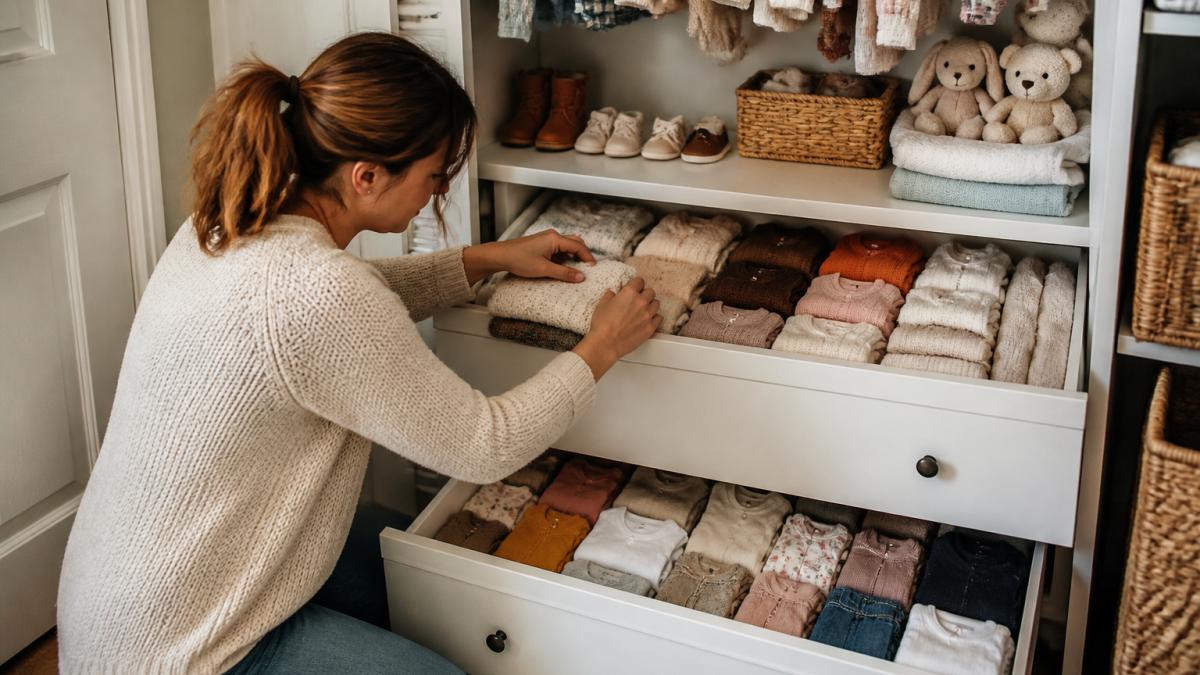
Buying secondhand is the most sustainable and budget-friendly approach to baby clothing. Babies wear clothes for just a few months before outgrowing them, so secondhand pieces have already proven their durability and quality.
Where to Source Secondhand Baby Clothes
Online marketplaces: Facebook Marketplace, Poshmark, and Mercari have dedicated baby sections. Filter by size, brand, and condition.
Local consignment shops: Independent consignment stores specialize in children's clothing and curate for quality. Prices are higher than online sales but lower than retail.
Parent swap groups: Many communities have clothing swaps where parents exchange outgrown pieces for free or low cost.
Thrift stores: Goodwill, Salvation Army, and local thrift shops have baby sections. Prices are lowest here, but selection is unpredictable and quality varies widely. Inspect every piece carefully.
Buy Nothing groups: Facebook Buy Nothing groups are neighborhood-based communities where members give away items for free. Baby clothes are common, and you can often pick up multiple pieces in one exchange.
Vet Secondhand Pieces Before Buying
Check for:
- Stains: Avoid set-in stains on white or light fabrics.
- Pilling: Excessive pilling means low quality or heavy wear.
- Seams and hems: Avoid major seam damage.
- Elastic: Check waistbands and cuffs for stretch or crumbling.
- Fit: Measure the garment and ask if the seller has washed it.
- Brand reputation: Established brands (Carter's, Lands' End, Hanna Andersson) hold up better than unknown labels.
Launder Secondhand Clothes Properly
- Wash in hot water with gentle, fragrance-free detergent (Dreft or similar).
- Dry on low heat or air dry.
- Inspect after washing. If stains reappear or seams weaken, discard the piece.
Repair and Refresh Before Use
- Loose buttons: Sew on securely or remove if a choking hazard.
- Small tears: Patch with needle and thread.
- Loose seams: Reinforce before they split further.
Sell or Pass On Outgrown Clothes
When your baby outgrows pieces, don't let them sit in storage. Reselling or donating keeps them in use and funds the next size up.
Resell for cash:
- List on Poshmark, Mercari, or Facebook Marketplace with clear photos and condition notes.
- Price competitively by checking similar listings.
- Bundle multiple pieces to encourage sales.
Donate for impact:
- Give to friends or family with younger children.
- Donate to local charities or shelters.
- List on Buy Nothing groups for free pickup.
The Cost-Per-Wear Advantage
Secondhand buying dramatically reduces cost-per-wear. A sweater bought secondhand and worn by your baby for 4 months costs far less per wear than buying new. Even accounting for laundering and minor repairs, secondhand pieces are the most economical choice for sustainable baby wardrobes.
Care for Baby Clothes to Make Them Last
Wash in cold water with gentle, baby-safe detergent. Avoid fabric softeners. Dry on low heat or air dry to prevent shrinkage and elastic damage.
Store clean clothes in a cool, dry space away from direct sunlight. Fold rather than hang to prevent stretching.
Repair minor damage immediately. Sew loose buttons, mend small tears, and reinforce seams before they split further.
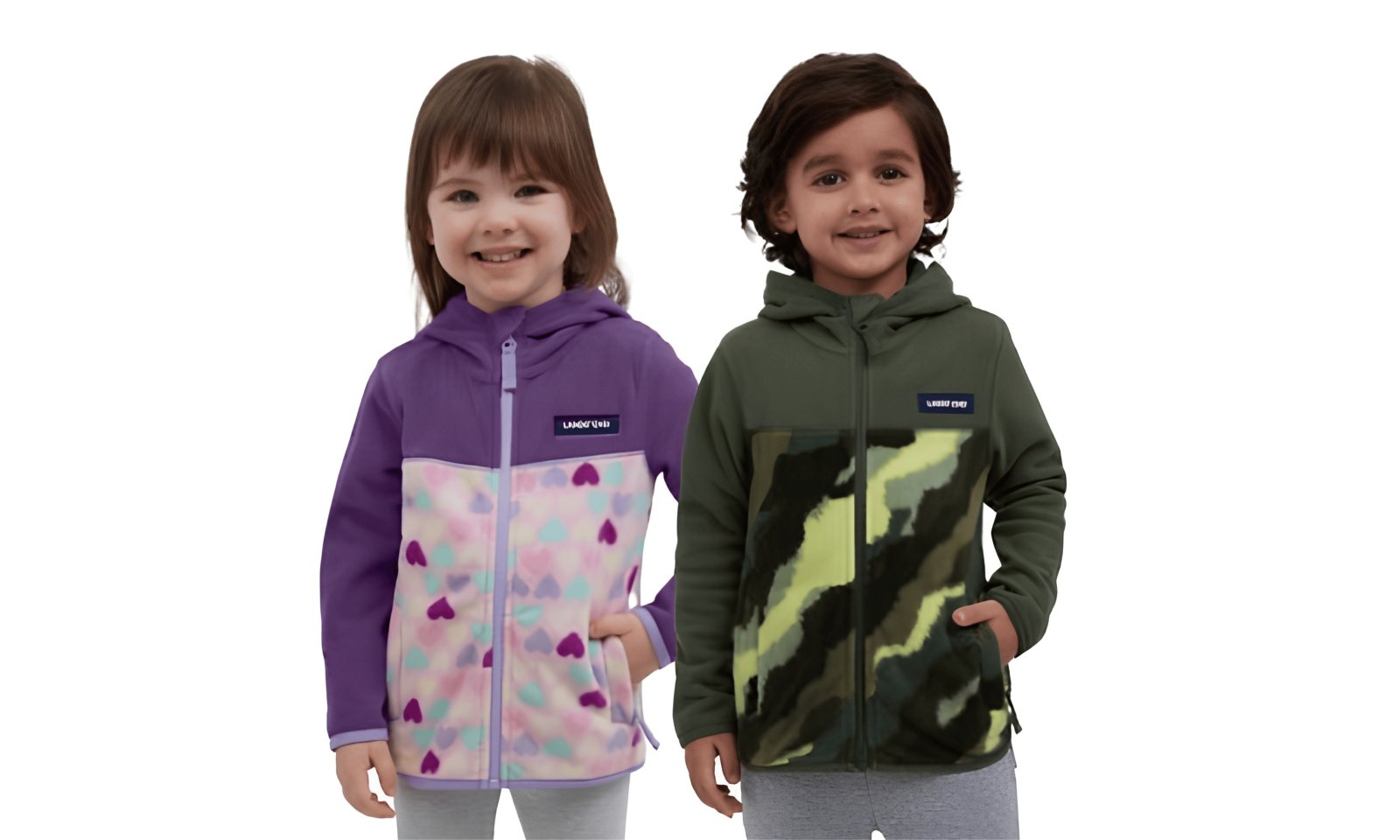
Building a sustainable baby wardrobe means thinking beyond the next purchase. Quality pieces that last, natural fabrics that feel good on sensitive skin, and thoughtful planning that prevents waste, these principles guide smart choices. At Tots & Trends by Morgan, we curate pieces that combine style with substance, helping parents dress their children in clothes that feel good, look great, and stand the test of time. Explore our collection of carefully selected items like the Lands' End Kid's Full Zip Jacket that blend quality, durability, and thoughtful design. Start building your sustainable baby wardrobe today and invest in pieces that grow with your child.
Frequently Asked Questions
What fabrics are best for a newborn's sensitive skin?
Organic cotton, bamboo, and linen are ideal for sensitive skin because they're grown without synthetic pesticides and have natural breathability. Look for certifications like OEKO-TEX STANDARD 100 or GOTS (Global Organic Textile Standard) to verify the fabric meets strict safety standards. These natural fibers reduce irritation and allow skin to breathe, making them perfect for babies prone to rashes or eczema.
How many baby clothes do I need to reduce laundry frequency?
For a sustainable baby wardrobe with weekly laundry, aim for 7-10 bodysuits, 5-7 pants or leggings, 5-7 tops, 2-3 cardigans or warm layers, and 5-7 pajama sets. This quantity lets you wash every 7-10 days instead of daily, reducing water use and fabric wear. Adjust quantities based on your laundry schedule—if you wash twice weekly, you can get by with fewer pieces.
Is secondhand clothing a sustainable choice for babies?
Yes, buying secondhand baby clothes is one of the most sustainable choices you can make. Since babies outgrow clothes quickly, secondhand pieces have plenty of life left. This extends the garment's lifecycle, reduces demand for new production, and saves money significantly. Inspect items for stains, wear, and safety (check zippers and seams), and wash before use. Pairing secondhand basics with a few new quality pieces creates an affordable, eco-conscious wardrobe.
How do I know if baby clothes are sustainably made?
Look for third-party certifications like OEKO-TEX STANDARD 100, GOTS, or Fair Trade labels that verify safe production and ethical sourcing. Check if the brand uses organic or renewable fibers and discloses manufacturing practices. Ask about water use, chemical treatments, and worker conditions. Brands like Carter's offer OEKO-TEX certified pieces, ensuring your investment meets strict environmental and safety standards without harmful chemicals.