

Table of Contents
- Assess Quality Before You Buy: A Kids Clothing Quality Checklist
- Choose the Best Fabrics for Kids Clothes
- Build Your Budget Strategy for Durable Kids Clothing
- Shop Secondhand Kids Clothes With Confidence
- How to Make Kids Clothes Last Longer
- Find Sales and Affordable Retailers Without Sacrificing Quality
- Prioritize Essentials and Build a Practical Wardrobe
- Frequently Asked Questions
Last Updated: October 21, 2026
Assess Quality Before You Buy: A Kids Clothing Quality Checklist
Learning how to shop for durable kids clothing on a budget means spotting quality before you pay. The best investment is a garment built to last through multiple children, repeated washing, and rough play.
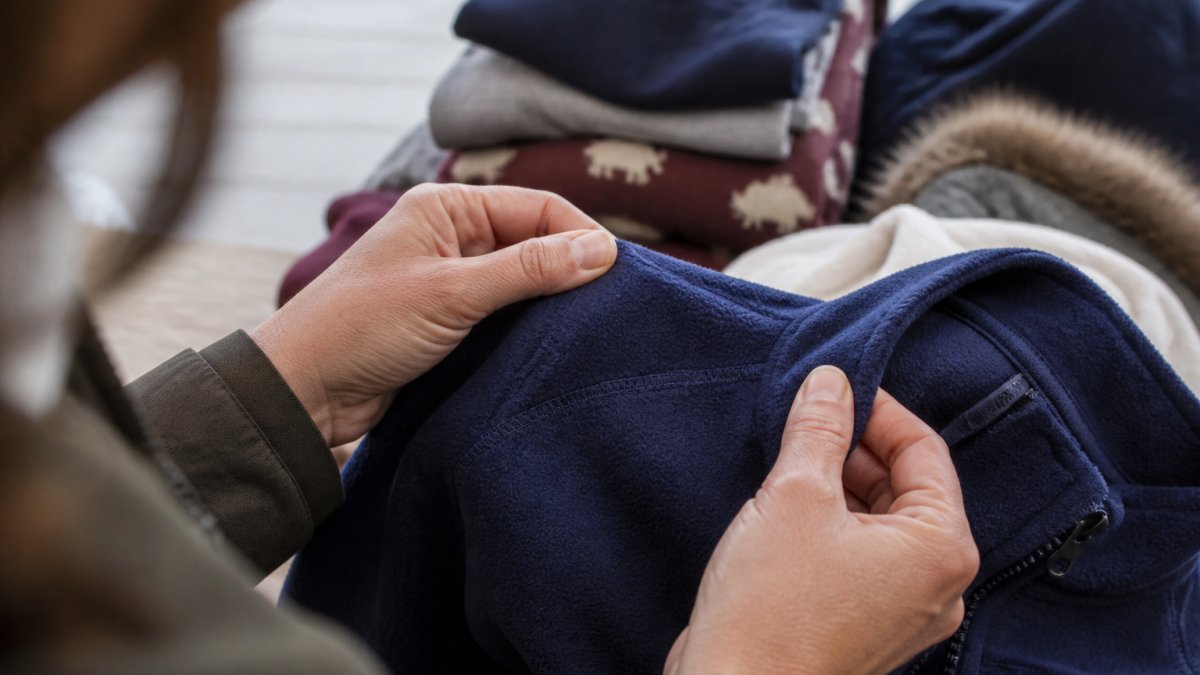
Check seams, zippers, and hems
Seams tell the whole story. Run your finger along the inside seams of any piece you're considering. Stitching should be tight and even, with no loose threads or gaps.
Zippers and closures matter just as much. Pull any zipper slowly and feel for smooth movement. A zipper that catches or sticks now will fail fast.
Hems deserve attention too. Folded hems should lie flat and feel reinforced.
Feel the fabric and test for pilling
Touch is your best tool. Quality fabric feels soft but substantial. It shouldn't feel papery or flimsy.
Pilling happens when short fibers work loose from the fabric surface. It's especially common on cheaper blends. Check the care tag to see what the fabric contains. Cotton-heavy blends tend to pill less than all-synthetic options.
Verify reinforced stress points
Stress points are where kids' clothes fail first. Look for double stitching or reinforcement at the crotch seam, armholes, and collar. These areas take the most punishment during play and washing.
Check the shoulder seams on jackets and shirts. They should feel thicker and more substantial than the rest of the garment. Reinforced shoulders mean the garment will hold its shape through hundreds of wears.
Choose the Best Fabrics for Kids Clothes
The fabric you choose determines how long a garment survives. Different fabrics handle washing, wear, and stains differently. Knowing what works best for how your child actually plays saves money over time.
Cotton blends for everyday durability
Pure cotton is soft and breathable, but it wrinkles and shrinks. Cotton blends, typically cotton mixed with polyester, solve both problems.
Look for blends that are at least 50% cotton. A blend like 60% cotton and 40% polyester offers the best balance.
Cotton blends work well for everyday play clothes, shirts, and pants. They're comfortable against skin and don't trap heat the way all-synthetic fabrics do.
Polyester and performance blends for active play
Pure polyester is tough and resists staining. It dries fast and holds color well.
Performance blends combine polyester with other synthetics designed for athletic wear. These fabrics wick moisture away from skin and resist pilling better than standard cotton blends.
Check the product description for terms like "moisture-wicking" or "quick-dry." These fabrics are worth the investment for active kids.
Elastane for stretch and longevity
Elastane (also called spandex or Lycra) adds stretch to any fabric. Even 2-5% elastane makes a huge difference. Garments with elastane move with your child instead of restricting movement, and they recover their shape better after washing.
Elastane blends are especially valuable for leggings, athletic wear, and fitted items. The Carter's Kids' Pull-On Stretch Leggings available at Tots & Trends by Morgan feature 7% elastane, which gives them flexibility for active play while maintaining their shape through repeated wear and washing.
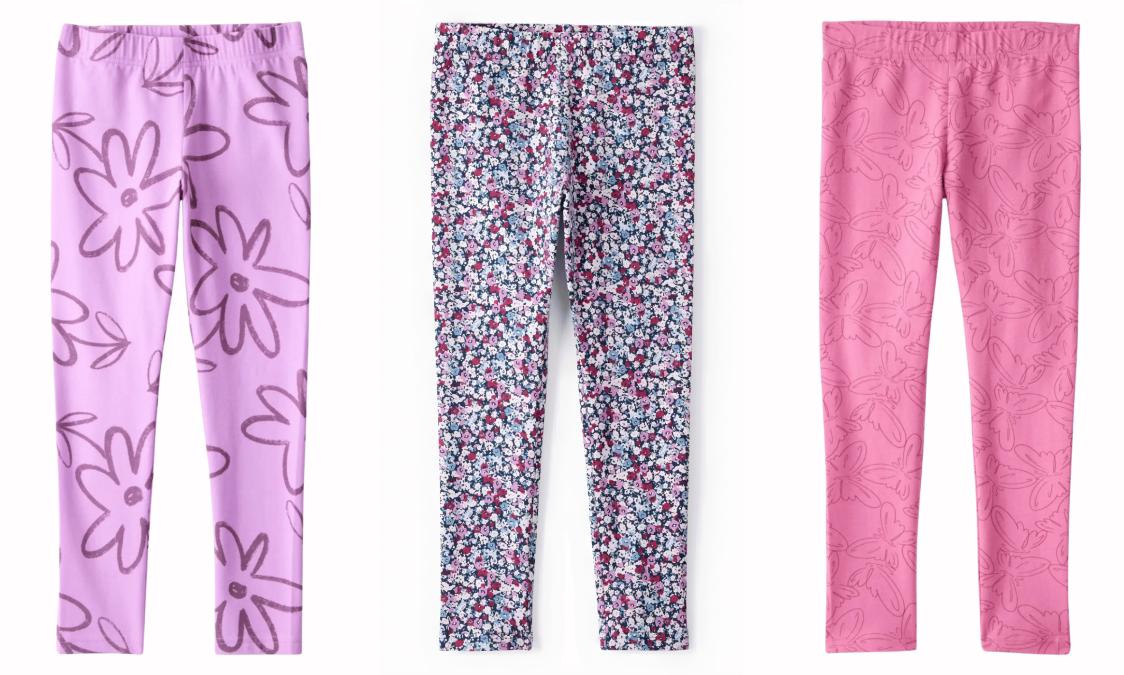
Look for elastane content listed on the care tag. Any amount helps, but 3-7% is ideal for kids' everyday clothes.
Build Your Budget Strategy for Durable Kids Clothing
Understanding how to shop for durable kids clothing on a budget means thinking beyond the price tag. It's about understanding what you're actually paying per wear, not just per garment.
Calculate cost-per-wear
Cost-per-wear is simple math that changes how you shop.
A $40 jacket worn 100 times costs $0.40 per wear. A $15 shirt worn 30 times costs $0.50 per wear. Suddenly, the expensive jacket looks like a bargain.
Durable pieces that last through multiple children multiply this value. A well-made winter coat worn by two or three kids drops to $0.13-$0.27 per wear.
Invest in versatile basics
Basics are your budget foundation. Solid-color t-shirts, plain leggings, and neutral sweaters work with everything.
Invest more in basics than in trendy pieces. A high-quality basic worn 50 times beats a trendy item worn 10 times.
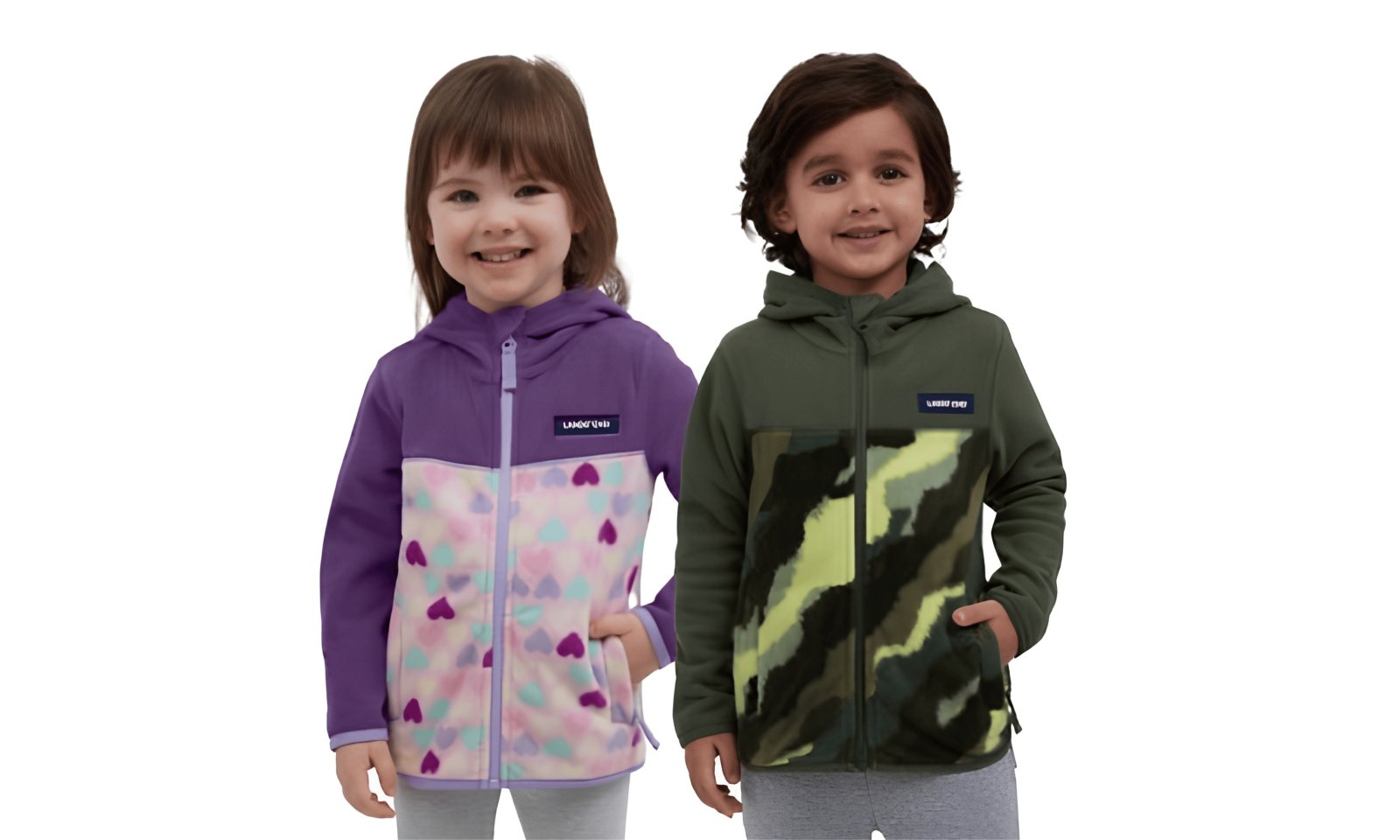
The Lands' End Kid's Full Zip Jacket at Tots & Trends by Morgan is a perfect basic investment at $35.
Plan seasonal purchases
Timing your purchases saves money without sacrificing quality. Shop end-of-season sales when retailers clear inventory. Winter coats go on sale in February. Summer clothes disappear by July.
Buying ahead for the next season means you're not rushing and paying full price. You have time to compare quality and wait for sales.
Shop Secondhand Kids Clothes With Confidence
Secondhand shopping stretches budgets dramatically. A $30 shirt bought used for $6 feels like an incredible find. The key is knowing what to look for to avoid damaged or worn-out pieces.
Inspect for wear and stains
Examine the entire garment before buying. Look at the underarms and collar, these areas show the most wear.
Check for stains, especially on light colors. Some stains wash out, but set-in stains are permanent. Smell the garment if possible, musty odors sometimes don't fully wash out.
Look at the overall condition of seams and hems. If they're already separating, they'll fall apart faster with wear and washing.
Eddie Bauer Youth 3-in-1 Jacket, Small to Large →
Check closures and elastic integrity
Zippers, buttons, and snaps should all work smoothly. Test them multiple times. A stuck zipper is a deal-breaker because replacing it costs nearly as much as buying new.
Elastic in waistbands and cuffs should have spring. Stretch it gently, if it doesn't bounce back or feels stiff, it's worn out. Replacing elastic is possible but adds cost and effort.
Know where to find quality secondhand options
Online marketplaces, local consignment shops, and community swap groups all have secondhand kids clothes. The best sources are parents selling outgrown items rather than donations that have been through multiple owners.
Look for sellers who describe garments honestly and show clear photos. Buy from people who also have children, they're more likely to sell items they'd actually dress their own kids in.
How to Make Kids Clothes Last Longer
Proper care extends the life of every garment. The way you wash, dry, and store clothes determines whether they last one season or three.
Wash and dry properly
Check the care tag and follow it. Washing in cold water with like colors prevents fading and shrinkage.
Turn clothes inside-out before washing. This protects prints and embellishments and reduces pilling. Wash heavily soiled items separately to avoid transferring dirt.
Tumble dry on low heat or hang dry when possible. High heat damages elastic, shrinks fabrics, and fades colors.
Repair small damage immediately
A small hole or loose seam is easy to fix now. Left alone, it becomes a major problem. A loose button takes two minutes to sew back on.
Keep a basic sewing kit handy. You don't need advanced skills, just the ability to sew a button and close a small seam. These quick fixes add months or years to a garment's life.
Store strategically between seasons
Clean all clothes before storing them. Stains set over time and become impossible to remove.
Store in a cool, dry place away from direct sunlight. Plastic bins work well if they're sealed. Don't overcrowd storage, clothes need air circulation.
Label storage bins by size and season. When your child grows, you'll know exactly what you have for the next size up.
Find Sales and Affordable Retailers Without Sacrificing Quality
Buying quality on a budget doesn't mean settling for cheap clothes. It means shopping strategically and knowing where quality retailers offer real value.
Shop end-of-season sales strategically
End-of-season sales are your biggest opportunity to save. Retailers discount heavily to clear space for new inventory. Winter coats drop 40-60% in February.
Plan ahead for next season. If you know your child will need a winter coat in October, buy it on sale in March.
Quality retailers like Tots & Trends by Morgan offer carefully curated selections that hold up through sale periods.
Use price comparison and discount alerts
Price comparison tools and alerts help you catch sales. Set alerts for specific items or brands you like. Many retailers offer email notifications when prices drop.
Compare prices across retailers. The same brand often costs different amounts at different stores. A few minutes of comparison shopping can save $10-15 per item.
Prioritize Essentials and Build a Practical Wardrobe
A practical kids wardrobe starts with essentials and builds from there. Too many clothes means more laundry and more waste. Too few means constant repeating outfits.
Select gender-neutral and hand-me-down-friendly pieces
Gender-neutral basics work for all children. Solid colors, simple prints, and classic styles pass down easily.
Hand-me-down-friendly pieces also save money across multiple children. Navy, gray, and white basics work for anyone. They're also easier to coordinate with other pieces in your rotation.
The Carter's Kids' 3-Piece Playwear Set available at Tots & Trends by Morgan features practical designs that work for multiple children.
Mix and match basics with solid colors and simple prints
Build your wardrobe around solid-color basics. Neutral colors, white, gray, navy, black, mix with everything.
Limit character-themed items to a few favorites. These clothes are fun but wear out fast because kids outgrow them emotionally before physically.
A practical rotation of 8-10 basic pieces covers a week of play without daily laundry. Mix and match them in different combinations to create variety without buying more.
Building a durable kids wardrobe on a budget takes planning, but it pays off in savings and less waste. Tots & Trends by Morgan offers carefully selected pieces like the Eddie Bauer Youth 3-in-1 Jacket ($54.95) and Lands' End Kid's Full Zip Jacket ($35.00) that combine durability with style for families who want clothes that last through active play and multiple children.

Frequently Asked Questions
How can I tell if kids' clothes are durable before buying?
Examine seams for tight, even stitching with no gaps or loose threads. Check zippers and buttons to ensure they move smoothly and feel secure. Feel the fabric for thickness and quality—thin, flimsy material won't withstand repeated washing and rough play. Look for reinforced stress points at seams and closures. Hold the fabric up to light; if light passes through easily, it may pill or tear quickly. For durable kids clothing on a budget, prioritize pieces with double-stitched seams and quality zippers, which signal construction built to last.
What fabrics hold up best for children's clothing?
Cotton blends (typically 50-100% cotton mixed with polyester) offer excellent durability and breathability for everyday wear. Pure cotton is soft and comfortable but can shrink and wrinkle. Polyester and performance blends resist pilling and hold color well through repeated washing, making them ideal for active play. Elastane (spandex) in small percentages (5-10%) adds stretch and helps clothes maintain their shape after many washes. Oeko-Tex certified fabrics ensure the material has been tested for harmful substances, adding confidence in quality. Avoid low-quality synthetics that pill easily or feel stiff; they won't provide the durability your budget deserves.
Is it worth buying higher-quality clothes for kids if they grow so fast?
Yes, when you calculate cost-per-wear. A $35 jacket worn 80 times before outgrowing costs $0.44 per wear, while a $15 jacket that falls apart after 30 wears costs $0.50 per wear. Quality pieces also transition between siblings or can be resold secondhand, extending their value. Durable clothing requires fewer replacements, reducing your overall spending. Focus your budget on basics and outerwear that see heavy use; these items justify higher upfront costs. Seasonal play clothes and items worn less frequently can be more budget-friendly without sacrificing durability.
How do I make children's clothes last longer?
Wash in cold water with like colors to prevent fading and fabric stress. Turn graphic tees inside-out before washing to protect prints. Use gentle cycles and avoid bleach unless the care label permits non-chlorine bleach. Tumble dry on low heat or air-dry to prevent shrinkage and elastic breakdown. Repair small holes, loose seams, and missing buttons immediately—small fixes prevent larger damage. Store off-season clothes in breathable bags to prevent moisture and mildew. Rotate items so the same pieces aren't worn constantly, allowing fabric fibers to recover between wears.