

Table of Contents
- Why Matching Family Outfits Matter for Photoshoots
- How to Coordinate Family Outfits for Photos
- Selecting a Color Palette for Visual Harmony
- Fabric and Texture Choices for Professional Photos
- Tips for Styling Kids for Photoshoots
- Unique Birthday Outfit Ideas 2026
- Dressing for Different Photography Settings
- Common Styling Mistakes to Avoid
- Frequently Asked Questions
Last Updated: September 17, 2026
Why Matching Family Outfits Matter for Photoshoots
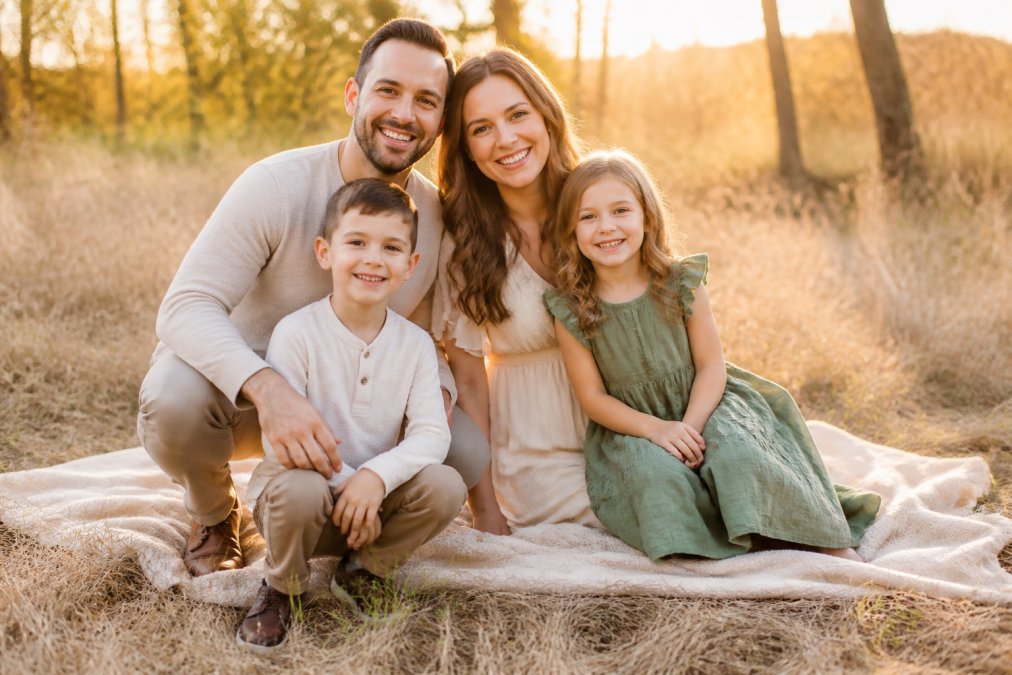
Family photos capture fleeting moments that won't come again. When everyone coordinates their clothing, those moments look intentional and polished rather than haphazard. Matching family outfits for photoshoots creates visual cohesion that draws the eye to faces and genuine connection instead of clashing colors or mismatched styles.
At Tots & Trends by Morgan, we've helped countless parents understand that coordinating doesn't mean everyone wears identical outfits. It means selecting pieces that work together harmoniously. A well-coordinated family photograph tells a story, one where every person belongs in the same frame. The photographer's job becomes easier when they're not fighting visual chaos, and your prints look like something worth framing for years.
The real benefit goes deeper than aesthetics. When children see themselves dressed thoughtfully for a special moment, they understand that the occasion matters. They sit still longer. They smile more genuinely. Professional photographers consistently report that coordinated families produce better images because everyone feels more confident and connected.
How to Coordinate Family Outfits for Photos
Coordinating family outfits for photos doesn't require matching sets or identical colors. Instead, it requires a strategy that considers color, texture, fit, and the setting where photos will happen. Start by choosing a foundation, then layer in intentional accents that tie everyone together visually.
Start with a Neutral Base
A neutral base is your anchor. Neutrals include white, cream, black, gray, navy, tan, and soft earth tones. These colors recede visually, keeping focus on faces and expressions. They also work across different skin tones and body types without creating unflattering contrast.
When selecting neutral pieces, prioritize fit over perfection. A well-fitting gray shirt on one child and cream pants on another creates better visual harmony than perfectly matched pieces that don't fit properly. Neutral bases also solve a practical problem: they're easier to find across multiple sizes and brands, which matters when you're dressing children in different age groups.
Consider fabric weight and texture when choosing neutrals. A lightweight cream cotton top photographs differently than a heavy cream knit. For outdoor photography in warm months, lighter fabrics breathe better and drape more naturally. For indoor studio sessions, slightly heavier fabrics hold their shape better under studio lighting.
Add Coordinating Colors and Accent Pieces
Once your neutral base is set, add coordinating colors through accessories or a single statement piece per person. This is where matching family outfits for photoshoots becomes fun rather than restrictive. One child might wear a navy cardigan, another a navy bow tie, and a parent a navy scarf. The color ties them together without looking staged.
Accent colors work best when they're intentional. Choose one or two colors maximum, more than that creates visual clutter that undermines the whole coordination strategy. A dusty rose, sage green, or soft blue can work across multiple family members without requiring exact matches.
Layering pieces is your secret tool here. A neutral base with a coordinating layer (sweater, cardigan, vest, or jacket) lets you adjust visual weight without changing the entire outfit. This approach also solves the practical problem of temperature changes during a photo session. A child can remove a layer if they get warm, and the base outfit still works.
Selecting a Color Palette for Visual Harmony
Visual harmony comes from understanding how colors interact. A color palette isn't about matching, it's about choosing colors that enhance each other and work with the setting where photos will happen.
Complementary Tones and Skin Undertones
Colors that complement each other create more interesting, professional-looking photos than identical colors. Complementary tones sit opposite each other on the color wheel: warm tones pair with cool tones, creating natural visual balance.
Understanding undertones matters more than most guides acknowledge. Warm undertones (golden, peachy, olive) pair beautifully with warm colors like terracotta, warm gold, and rust. Cool undertones (pink, red, blue) work better with cool colors like jewel tones, cool grays, and soft blues. When you choose colors that match family members' undertones, everyone looks healthier and more vibrant in photos.
Skin tone variation across your family actually becomes an asset when you understand undertones. A warm-toned parent and a cool-toned child can both wear complementary colors that enhance their individual coloring while still coordinating visually. This approach respects body diversity and makes matching family outfits for photoshoots feel inclusive rather than restrictive.
Solid Colors vs. Subtle Prints
Solid colors photograph more cleanly than busy patterns, but subtle prints add visual interest without chaos. The rule is simple: if you can see the pattern clearly from across the room, it's too bold for coordinated family photos. Subtle prints include small-scale florals, delicate stripes, or tone-on-tone textures.
When mixing solids and prints, keep the print small and the color palette consistent. A child in a subtle cream-and-white striped top coordinates with siblings in solid cream or white. A small floral with muted tones works if the dominant color matches the family's color palette.
Avoid large logos, character prints, or high-contrast patterns. These draw the eye away from faces and date photos quickly. A child in a bold graphic tee will be the focal point of every family photo, not ideal when you want visual harmony across everyone.
Carter's Umbro Kids 2-Piece USA Soccer →
Fabric and Texture Choices for Professional Photos
Fabric choice affects how clothing photographs under different lighting conditions. Natural fabrics like cotton, linen, and blends photograph more authentically than synthetic materials. They drape naturally and catch light in ways that feel organic rather than plasticky.
Texture adds visual depth to photos without introducing color chaos. A soft cotton knit, a linen blend, and a smooth cotton poplin all read as neutral but create subtle visual interest. Mixing textures across family members, one child in a smooth cotton shirt, another in a soft knit, adds dimension while maintaining coordination.
Avoid overly shiny or reflective fabrics. Satin, polyester blends, and glossy finishes create hot spots under studio lighting and look artificial in outdoor photos. Matte finishes photograph better and age better in prints. When selecting pieces from retailers like Tots & Trends by Morgan, check fabric composition. Cotton-heavy blends typically photograph better than purely synthetic options because they hold their shape and catch light naturally.
Breathability matters for comfort during photo sessions. Children who are uncomfortable fidget, sweat through clothes, and look tense in photos. Fabrics with some breathability, cotton, linen blends, cotton-polyester mixes, keep kids comfortable during longer shoots.
Tips for Styling Kids for Photoshoots
Children's comfort directly affects photo quality. A child who is too hot, too cold, or uncomfortable in their outfit will show tension in their face and posture. Styling kids for photoshoots requires thinking beyond aesthetics to practical comfort.
Dressing Newborns and Infants
Newborns and infants can't communicate discomfort, so you must anticipate their needs. Soft, breathable fabrics are non-negotiable. Avoid anything with tight elastic, rough seams, or synthetic blends that irritate sensitive skin. Carter's toddler collections like the Snowflake-Print Long-Sleeve Top and Skort Set ($34.00) use OEKO-TEX STANDARD 100 certified materials tested for safety, making them reliable for sensitive newborn skin.

Layering works well for infants because you can adjust quickly if they're too warm or cold. A soft base layer with a lightweight cardigan allows flexibility.
Accounting for Body Type and Fit
Children have different body shapes, and clothing that flatters one child might not work for another. Matching family outfits for photoshoots means selecting styles that work across different body types, not forcing everyone into identical pieces.
Unique Birthday Outfit Ideas 2026
Birthday photoshoots deserve special styling. The birthday child should feel celebrated while still coordinating with the family. This means giving the birthday child a slightly more special piece while keeping the overall palette cohesive.
Dressing for Different Photography Settings
The setting where photos happen should influence your color and fabric choices. Outdoor settings, studio lighting, and seasonal conditions all affect how clothing photographs.
Outdoor Photography and Seasonal Considerations
Outdoor photography in natural light requires different thinking than studio sessions. Natural light is softer and more forgiving, but it also reveals every wrinkle and fabric detail. Choose fabrics that look good slightly wrinkled, linen, cotton blends, and soft knits photograph beautifully outdoors.
Studio Lighting and Fabric Breathability
Studio lighting is bright and can be hot. Synthetic fabrics that don't breathe well will show sweat stains and make children uncomfortable. Natural fiber blends or pure cotton work better under studio lights because they allow air circulation and don't trap heat.
Common Styling Mistakes to Avoid
The biggest mistake parents make is overthinking coordination. Perfectly matched outfits often look stiff and unnatural. The goal is intentional harmony, not identical clones.
Frequently Asked Questions
Should family photo outfits match exactly?
No. Matching family outfits for photoshoots works best when they coordinate rather than match exactly. Use a shared color palette with a neutral base (cream, gray, or navy) and add coordinating accent colors or patterns. This creates visual harmony while allowing each family member's personality to shine. Exact matching can look stiff and costume-like, while coordinated outfits feel intentional and polished.
What colors work best for outdoor family photography?
Soft, complementary tones photograph well outdoors. Warm neutrals like cream, tan, and rust pair beautifully with jewel tones like emerald or sapphire. Cool neutrals like gray and white work with blush, lavender, or soft blues. Avoid bright whites that can cause glare, and test your color palette in natural light before the shoot. Consider skin undertones when selecting colors to ensure everyone looks their best.
How do I know if clothing quality will hold up for my kids?
Look for pieces with natural fiber blends (cotton-polyester mixes like the Lands' End Kids' 4-Piece Set at $38) that balance durability with breathability. Check care instructions to ensure they're machine washable on gentle cycles. Quality indicators include reinforced seams, elastic waistbands that hold shape, and fabric weight appropriate for active wear.
What should I avoid wearing for family portraits?
Avoid large logos, busy patterns, and high-contrast prints that create visual clutter. Skip overly trendy pieces that will look dated in photos. Steer clear of clothing with excessive embellishments or stiff fabrics that restrict movement. Denim with heavy distressing can photograph poorly, and neon colors often appear oversaturated. Instead, choose timeless styles in solid colors or subtle prints that let faces and personalities be the focus of the image.