

Table of Contents
- Understanding Fabric Types and Care Labels
- Sorting and Preparing Clothes for Washing
- Washing Techniques to Preserve Garment Lifespan
- How to Remove Tough Stains from Kids Clothes
- Drying and Storage Methods for Long-Term Care
- How to Organize a Kids Closet Efficiently
- Repair and Hand-Me-Down Preparation
- Frequently Asked Questions
Last Updated: August 30, 2026
Understanding Fabric Types and Care Labels
The foundation of maintaining children's clothing quality starts with understanding what you're actually working with. Different fabrics demand different approaches, and the care label is your roadmap, not a suggestion to ignore.
Natural fibers like cotton and wool behave differently than synthetics. Cotton is durable and gets softer with washing, but it can shrink if exposed to heat. Wool provides excellent insulation and moisture-wicking properties, but it requires gentler handling to prevent felting. Synthetic fibers like polyester resist shrinkage and are generally lower-maintenance, but they can trap heat and may pill over time if not cared for properly.
The care label contains specific instructions about water temperature, wash cycle, and drying method. These aren't arbitrary, they're based on how that specific fabric will respond to stress. A "delicate cycle" label means the fabric's stitching or fibers are vulnerable to agitation. Ignoring this is how garments lose their shape after a few washes.
Before you wash anything, check three things: the fiber content, any special finishes (like water-resistant coatings), and the recommended cycle. Many parents skip this step and wonder why their kids' favorite outfit falls apart. The care instructions exist because manufacturers tested the garment under specific conditions and know its limits.
Sorting and Preparing Clothes for Washing
Proper sorting prevents color bleeding and reduces fabric damage before clothes even enter the washing machine. This step alone can extend garment lifespan significantly.
Start by separating lights from darks, this is non-negotiable. New dark items, especially reds and deep blues, can bleed dye in their first few washes. Wash these separately from lighter clothing to prevent permanent staining. After 3-4 washes, most dyes stabilize and bleeding decreases, but new items always warrant caution.
Next, sort by fabric type. Delicate items, lace trim, lightweight synthetics, anything with elastic, should be washed separately from heavy cottons and denim. Heavy fabrics create more agitation in the wash cycle, which can damage delicate garments. Group items by their care label requirements so you're not compromising one garment to accommodate another.
Check pockets, remove any items, and turn graphic tees and printed pieces inside out. This protects the design from fading and cracking during washing. Zip up zippers and fasten buttons, open zippers can snag other garments, and loose buttons create stress points that lead to tears.
Pre-treat stains before washing. A stain that sits for a week becomes permanent. Fresh stains respond best to cold water and gentle rubbing with a mild detergent. Don't use hot water on protein-based stains like blood or formula, heat sets them. For mystery stains, cold water and patience work better than aggressive scrubbing.
Washing Techniques to Preserve Garment Lifespan
Cold water washing is the single most effective way to maintain children's clothing quality over time. It reduces dye fading, prevents shrinkage, and is gentler on fabric integrity than warm or hot water.
The science is straightforward: heat accelerates fiber breakdown and opens the fabric structure, allowing dyes to escape and fibers to relax and potentially shrink. Cold water does the opposite, it keeps fibers tight and dyes locked in. Most modern detergents work effectively in cold water, so there's no performance trade-off.
Use the gentlest cycle appropriate for the garment. Regular cycle works for sturdy cottons, but delicate cycle is essential for anything with embellishments, elastic, or lightweight construction. Delicate cycle uses less agitation and shorter spin times, which means less mechanical stress on stitching and fibers.
Detergent choice matters more than quantity. A mild detergent designed for delicate fabrics removes dirt without harsh chemicals that degrade fibers over time. Enzyme-based cleaners work well on organic stains like food and grass, but they can be too aggressive for fine fabrics. For kids' clothes with sensitive skin concerns, look for detergents free of dyes and perfumes.
Avoid fabric softener and bleach. Fabric softener coats fibers with chemicals that reduce absorbency and can trap moisture, leading to mildew and odor. Bleach is even worse, it literally breaks down fiber structure, weakening the garment from the inside out. If whites are graying, the issue is usually detergent residue buildup, not lack of bleach. A vinegar rinse or oxygen-based cleaner addresses this without damage.
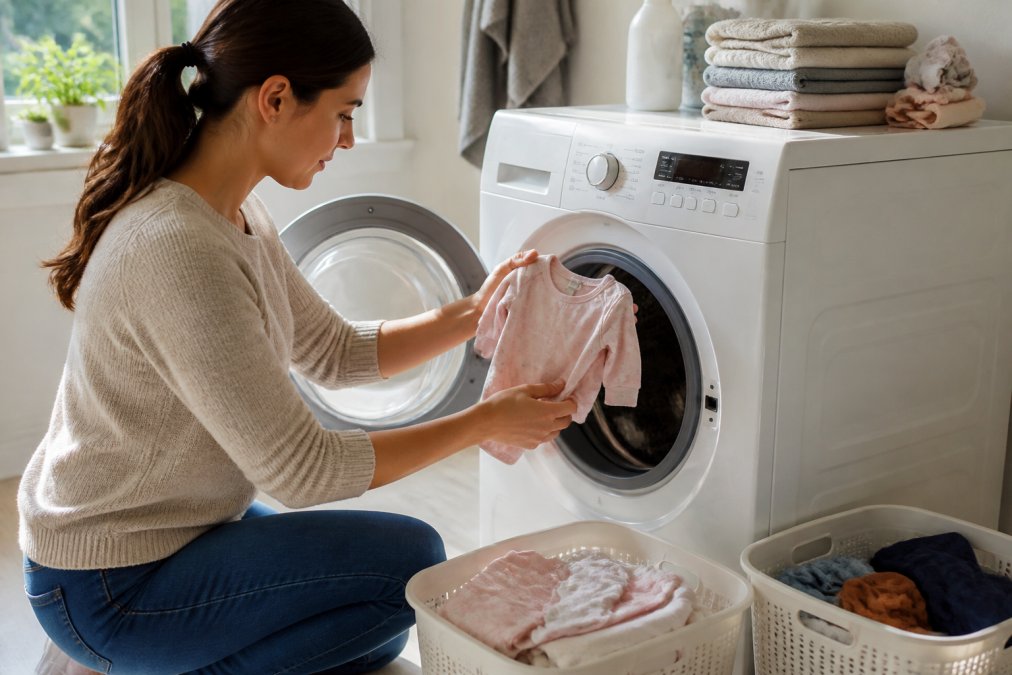
Wash full loads when possible, but don't overstuff. Clothes need space to move freely in the water. Cramming too many items into one load creates friction and tangling, which damages stitching and causes pilling on synthetic fibers.
How to Remove Tough Stains from Kids Clothes
Tough stains require a different approach than regular washing. The key is understanding what caused the stain and treating it appropriately before it sets permanently.
Protein-based stains (blood, egg, formula) need cold water immediately. Hot water causes these to bond permanently with fibers. Rinse with cold water first, then apply a mild detergent directly to the stain. Let it sit for 15-30 minutes, then gently rub the fabric together. Rinse again with cold water and check before drying, heat sets stains, so air-dry stained items until you're certain the stain is gone.
Oil and grease stains require a different strategy. These don't respond well to water alone because oil and water don't mix. Apply a small amount of dish soap directly to the stain, dish soap is designed to break down grease. Let it sit for 5-10 minutes, then rinse with warm water. This works for everything from food grease to sunscreen stains.
Mud and dirt should dry completely before you try to remove them. Wet mud spreads and embeds deeper into fibers. Once dry, brush away loose dirt with a soft brush or cloth, then treat any remaining stain with cold water and mild detergent.
For mystery stains or stubborn marks, oxygen-based stain removers are safer than chlorine bleach. They work by releasing oxygen that breaks down stain molecules without damaging fiber structure. Soak the garment for 30 minutes to several hours depending on stain severity, then wash normally.
The critical rule: never put a stained garment in the dryer. Heat permanently sets most stains. Always air-dry first, inspect, and repeat treatment if needed before using heat.
Drying and Storage Methods for Long-Term Care
How you dry clothes determines whether they maintain their shape and color. Air-drying is always the safest option, but it requires more time and planning than machine drying.
Hang delicate items and anything prone to shrinkage. Line-drying in sunlight provides natural bleaching for whites and helps eliminate odors, but prolonged sun exposure can fade colors. For colored items, air-dry in shade or indoors. Tumble dry on low heat is acceptable for sturdy cottons, but even low heat gradually degrades elastic and synthetic fibers over time.
Never use high heat. It shrinks garments, damages elastic, causes pilling on synthetics, and fades colors. If you must use a dryer, low heat with shorter cycles is better than longer exposure.
Proper storage prevents damage between wearings. Clean, dry garments should be stored in a cool, dry place away from direct sunlight. Sunlight fades colors over time, even through windows. Fold items carefully rather than hanging everything, hanging stretches out necklines and shoulders, especially on knits. Heavy items like sweaters should always be folded.
Use cedar blocks or lavender sachets instead of mothballs for seasonal storage. Mothballs contain chemicals that can damage fibers and leave odors that are difficult to remove. Cedar and lavender are natural, non-toxic alternatives that repel insects without chemical residue.
Store seasonal items in breathable containers, not sealed plastic bins. Moisture trapped in plastic can lead to mildew and musty odors. Clear plastic boxes with ventilation holes are better than airtight containers. Label boxes by size and season so you can find items quickly when needed.
How to Organize a Kids Closet Efficiently
An organized closet makes it easier to see what you have, prevents clothes from getting lost or forgotten, and reduces damage from cramming too many items into tight spaces.
Start by purging. Remove items that no longer fit, are stained beyond repair, or are damaged. Be honest about what your kids actually wear. Clothes that sit unworn take up valuable space and often get damaged by compression or mildew.
Organize by size first, then by type. Kids grow quickly, so keeping sizes separate prevents confusion and makes it easy to grab the right-sized outfit. Within each size, group by category: shirts, pants, dresses, sweaters. This system works whether your child is 2 or 12 years old.
Use shelf dividers or small bins to prevent stacks from toppling. Folded clothes in a collapsed stack get wrinkled and damaged. Dividers keep stacks upright and organized. For hanging items, use slim hangers to save space and prevent shoulder creasing.
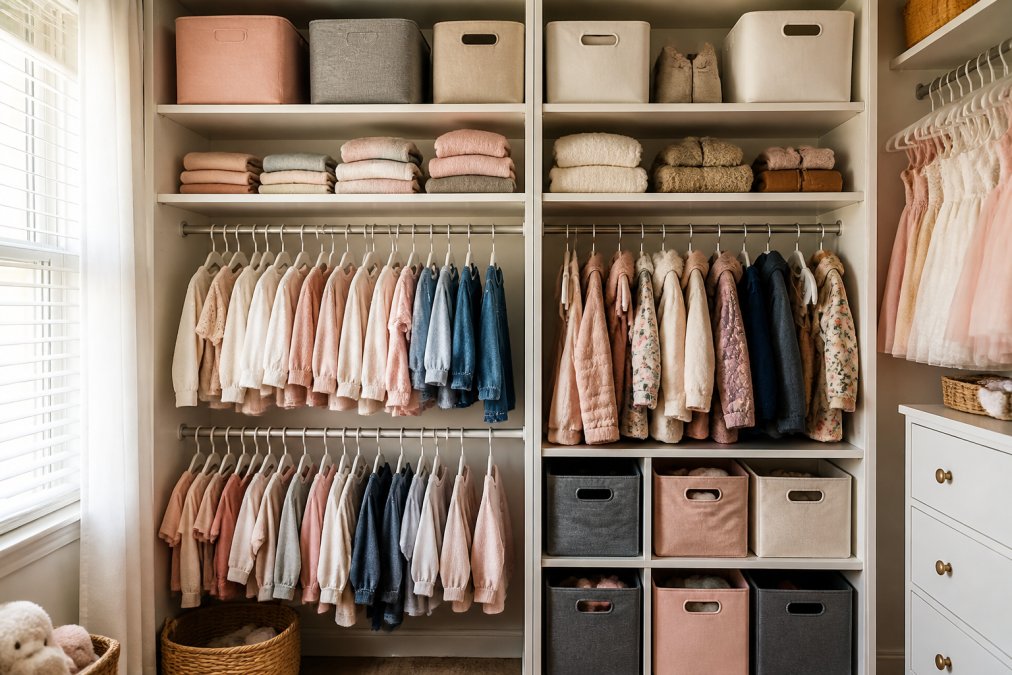
Store delicate items on padded hangers or folded on shelves. Wire hangers can leave creases and damage shoulder seams over time. Padded hangers protect garment structure and prevent stretching.
Keep seasonal clothing separate. Out-of-season items should be stored in a different location or upper shelves, freeing up accessible space for current-season clothes. This prevents overcrowding and makes it easier to find what you need.
Label storage bins clearly, "Size 5T Fall" or "Size 7 Winter", so anyone in the household can find items quickly. This is especially helpful when grandparents or caregivers are looking for specific pieces.
Repair and Hand-Me-Down Preparation
Small repairs prevent minor damage from becoming major problems. A loose button, small tear, or fraying seam can be fixed in minutes and extends garment life significantly.
Keep a basic repair kit: needle, thread in common colors, scissors, and a seam ripper. A loose button takes 2 minutes to reattach. A small tear in a seam can be hand-stitched before it splits further. A fraying hem can be quickly stitched to prevent unraveling. These simple fixes prevent garments from becoming unwearable.
For hand-me-downs, prepare garments properly before passing them to the next child. Wash thoroughly in cold water to remove any detergent residue or odors. Inspect for damage, loose buttons, weak seams, stains that didn't come out. Make repairs now rather than after the next child has worn it a few times.
Check for pilling on synthetic fibers and gently remove it with a fabric comb or sweater stone. Pilling doesn't mean the garment is worn out, it's just surface fiber damage from friction. Removing pills restores the appearance without affecting durability.
Mend any stains that remain after washing. Some stains won't come out, but a small decorative patch or embroidered design can cover the spot and give the garment new life. This is especially effective for play clothes that will see more wear anyway.
Store hand-me-downs properly between children. Clean, dry garments in breathable containers with cedar blocks prevent odor and mildew. Properly stored clothing maintains its quality through multiple children, which is both economical and sustainable.
At Tots & Trends by Morgan, we understand that children's clothing is an investment in memories, from first days of school to holiday photos. Maintaining that quality means your kids look their best for every milestone, and pieces can be treasured or passed along to younger siblings or friends.
Maintaining children's clothing quality isn't complicated, but it does require intentional choices at every step. Cold water washing, gentle cycles, proper sorting, and careful storage work together to keep garments looking good through multiple children and seasons. The effort you invest in care now pays dividends in durability and appearance. When you shop at Tots & Trends by Morgan for special occasion outfits or everyday wear, proper maintenance ensures those pieces remain beautiful and functional for years to come. Start with one habit, cold water washing, and build from there. Your kids' wardrobes will thank you.
Care Method |
Best For |
Time Required |
Impact |
|---|---|---|---|
Cold water wash |
All fabrics |
30-45 minutes |
Prevents fading and shrinkage |
Delicate cycle |
Embellished items, knits |
20-30 minutes |
Protects stitching and elastic |
Air-drying |
Delicate fabrics, elastic |
4-24 hours |
Extends garment lifespan |
Immediate stain treatment |
Fresh stains |
5-15 minutes |
Prevents permanent damage |
Proper folding storage |
All items |
10-15 minutes |
Prevents wrinkles and stretching |
Size-based organization |
All children's clothing |
30-60 minutes |
Easier access and care |
Frequently Asked Questions
What is the best way to wash children's clothes to prevent shrinking?
Use cold water washing for most garments, as hot water causes shrinkage in natural fibers like cotton. Select a delicate cycle to protect fabric integrity and reduce stress on stitching and fasteners. Avoid overstuffing the machine, which prevents proper rinsing and increases shrinkage risk. Air dry whenever possible instead of tumble drying, as heat is the primary cause of shrinkage. Check care instructions on each garment's label, as synthetic fibers often tolerate slightly warmer water while maintaining shape.
How do you remove tough stains from kids' clothing effectively?
Treat stains immediately before washing. For protein-based stains (blood, food), rinse with cold water. For oil-based stains, apply a small amount of mild detergent directly to the stain and gently rub. Use enzyme-based cleaners for organic matter like grass or dirt. Avoid bleach on colored fabrics; instead, use oxygen-based stain removers that are gentler on fabric. Pre-treat by letting the solution sit for 15-30 minutes, then wash in cold water. Always check the care label before treating, especially on delicate fabrics.
How can I organize a kids' closet to prevent clothing damage?
Sort clothing by size and season to prevent unnecessary handling of items your child has outgrown. Use padded hangers for delicate pieces to avoid creasing and stress on stitching. Store off-season clothing in breathable containers away from direct sunlight, which causes fading. Keep seasonal items separate so you're not constantly moving pieces around. Organize by garment type (shirts, pants, dresses) so items are easy to find without excessive searching and handling. Ensure adequate ventilation to prevent moisture buildup and mildew, which can damage fabric integrity.
Should I use fabric softener on children's clothes?
Avoid traditional fabric softeners, as they leave residue on fibers that reduces absorbency and can irritate sensitive skin. For moisture-wicking synthetic fibers and everyday wear, skip softener entirely. If you prefer softer fabrics, use white vinegar in the rinse cycle as a natural alternative—it removes detergent residue without coating the fibers. For children with sensitive skin, this approach prevents irritation while maintaining garment softness. Always prioritize fabric integrity and skin safety over softness, especially for items worn directly against the skin.