

Table of Contents
- Why Sustainable Fashion Choices Matter for Growing Children
- Understanding Eco-Friendly Materials and Natural Fibers
- Clothing That Grows With Children: Designing for Longevity
- Building a Capsule Wardrobe for Kids
- Exploring Sustainable Kids Clothing Brands
- Secondhand Kids Clothing: A Smart Sustainable Choice
- Care, Repair, and Extending the Life of Children's Clothing
- Teaching Children Conscious Consumption Habits
- Frequently Asked Questions
Last Updated: October 18, 2026
Why Sustainable Fashion Choices Matter for Growing Children
Parents know the drill: kids outgrow clothes faster than they can wear them. A jacket fits perfectly in September and becomes a crop top by November. This cycle creates waste, frustration, and guilt about the environmental impact of constantly replacing outfits.
Sustainable fashion choices for growing children address this exact problem. The approach combines durability, thoughtful design, and materials that minimize harm to the planet. At Tots & Trends by Morgan, we understand that parents want their children dressed in quality pieces that last through growth spurts and multiple wears.
The real benefit goes beyond guilt relief. Choosing sustainable options teaches children something valuable: that clothing has worth. When kids wear pieces made from quality materials and designed to last, they develop respect for their belongings. They learn that fashion doesn't mean constant replacement.
Sustainable fashion also reduces the financial burden. While quality pieces cost more upfront, they last longer and often fit multiple children as hand-me-downs. The cost-per-wear actually decreases over time.
Understanding Eco-Friendly Materials and Natural Fibers
Not all fabrics are created equal. Some break down in landfills within months. Others take decades and shed microplastics into soil and water. Choosing the right materials matters more than most parents realize.
Organic cotton grows without synthetic pesticides or fertilizers. It requires less water than conventional cotton and supports healthier soil. The fabric feels soft on sensitive skin and breathes well in layered fall and winter outfits.
Linen comes from flax plants and requires minimal processing. It's naturally durable, gets softer with every wash, and biodegrades completely. Linen pieces often become family favorites because they improve over time rather than wearing out.
Hemp is one of the most sustainable fibers available. It grows quickly without pesticides, requires little water, and produces strong, long-lasting fabric. Hemp clothing is perfect for active kids who need durability.
Bamboo fabric (made from bamboo viscose) grows rapidly without pesticides. The production process does use chemicals, but closed-loop manufacturing systems minimize environmental impact. Bamboo fabric is silky soft and naturally temperature-regulating.
Recycled fabrics transform existing materials into new clothing. Recycled polyester comes from plastic bottles and old textiles. Recycled wool uses post-consumer waste. These options keep materials out of landfills and reduce the need for virgin resource extraction.
Clothing That Grows With Children: Designing for Longevity
The smartest sustainable choice is clothing designed to grow with kids. These pieces extend the wearing period and reduce the total number of items needed.
Adjustable waistbands with elastic or drawstring systems accommodate size changes. A pair of pants with adjustable waist fits through multiple growth stages. This single feature can double the wearing life of a garment.
Cuffed hems can be let down as legs grow longer. Reversible cuffs work in both directions. Some pieces feature hidden hems that expand when released.
Oversized cuts with room to grow are intentional design choices, not poor sizing. Layering pieces over fitted items creates visual interest while allowing for growth.
Convertible designs serve multiple purposes. Pants that convert to shorts with rolled or removable legs work across seasons. Jackets with removable sleeves adapt to temperature changes. These pieces eliminate the need for separate warm and cool-weather items.
Quality seams and construction matter as much as fabric choice. Reinforced seams at stress points last through multiple children. Double-stitched hems withstand repeated wear and washing.
Building a Capsule Wardrobe for Kids
A capsule wardrobe solves the "nothing to wear" problem with fewer pieces. Instead of accumulating random items, parents select versatile basics that mix and match.
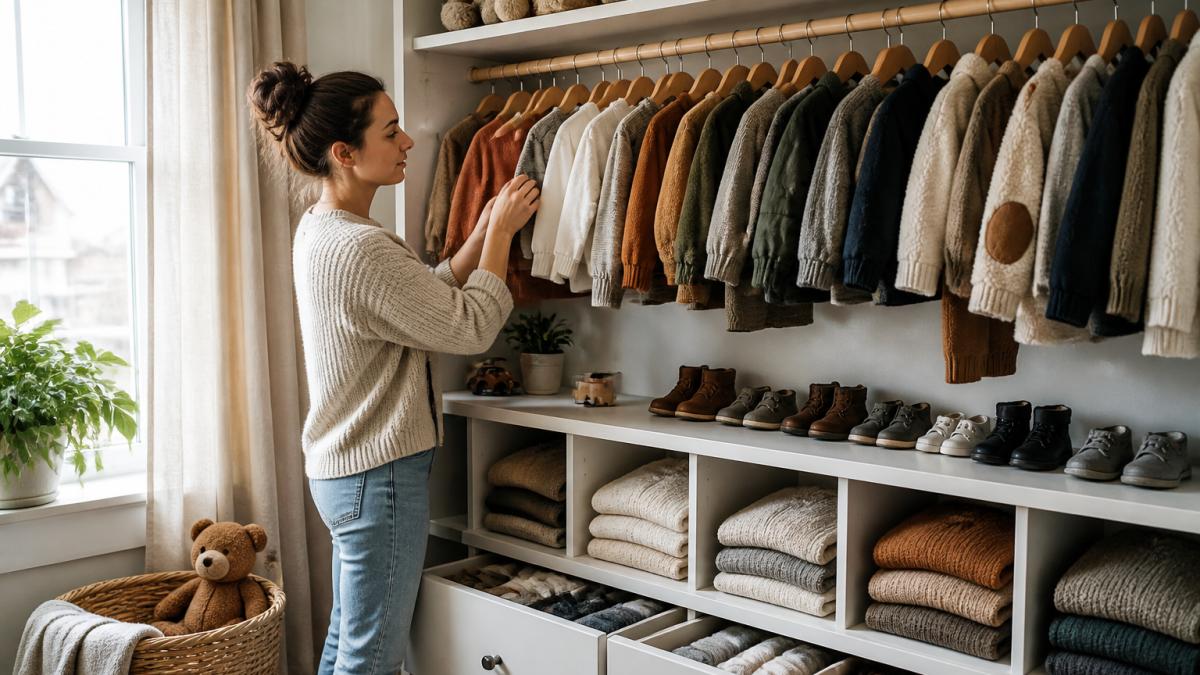
Start with neutral basics. Cream, gray, navy, and earth tones form the foundation. These colors coordinate easily and don't require constant matching.
Add layering pieces. Long-sleeve shirts, cardigans, and lightweight sweaters layer under jackets. Layering extends the wearing season and works across temperature changes.
Include one statement piece per season. A patterned sweater or colored jacket adds personality without overwhelming the wardrobe.
Choose versatile outerwear. A quality jacket works for school, outdoor play, and casual outings. Select neutral colors and classic styles that won't look dated next season.
Select pants and skirts that work across occasions. Dark jeans, neutral trousers, and simple skirts transition from school to family events. Avoid trendy cuts that will look dated.
Include practical basics: plain t-shirts, simple sweaters, and basic leggings. These pieces anchor outfits and coordinate with everything. Buy these in multiples so kids always have clean options.
The goal is 10-15 core pieces that create 20+ outfit combinations. Quality matters more than quantity. One excellent sweater worn 40 times beats five cheap sweaters worn 8 times each.
Exploring Sustainable Kids Clothing Brands
Finding brands that align with sustainability values takes research. Look beyond marketing claims to verify actual practices.
Check certifications. GOTS certification on organic cotton, Fair Trade certification for labor practices, and B Corp certification for overall business ethics provide third-party verification. Certifications aren't perfect, but they're more reliable than brand claims alone.
Review material sourcing. Trustworthy brands clearly state where materials come from. They explain their manufacturing process and labor practices. Vague language about "ethical production" without specifics is a red flag.
Examine durability claims. Sustainable brands often emphasize longevity. They provide care instructions designed to extend garment life. Some brands offer repair services or take-back programs for worn pieces.
Look for transparency reports. Leading sustainable brands publish annual reports detailing environmental impact, labor practices, and improvement goals. These reports show accountability and honest assessment of challenges.
Read parent reviews carefully. Look for comments about fit consistency, fabric quality, and washing durability. Parents testing pieces in real life provide more honest feedback than marketing descriptions.
Verify sizing accuracy. Inconsistent sizing between items wastes money. Brands that maintain consistent sizing across styles and sizes make building a wardrobe easier. Check review comments about whether pieces run small, large, or true to size.
Secondhand Kids Clothing: A Smart Sustainable Choice
Secondhand shopping is the most sustainable fashion choice available. It extends garment life, keeps items out of landfills, and reduces demand for new production.
Online secondhand platforms connect sellers and buyers easily. Parents can find specific brands, sizes, and styles.
Local consignment shops provide immediate gratification. Kids can try on pieces before purchasing. Staff often know brands well and can help identify quality pieces.
Clothing swaps with other families create community while reducing costs. Parents exchange outgrown pieces with friends or at organized swap events. This approach costs nothing and builds social connections.
Thrift stores offer budget-friendly options. Sorting through racks takes time, but the prices are hard to beat. Quality pieces mixed with lower-quality items require careful examination before purchasing.
Facebook groups and community boards connect local buyers and sellers. Parents post outgrown pieces and coordinate pickups. This approach supports local families and eliminates shipping costs.
Hand-me-downs from older siblings or cousins are the ultimate sustainable choice. Free, already tested for durability, and carrying family history. Organize hand-me-downs by size and season for easy access.
The secondhand market for children's clothing thrives because kids outgrow pieces so quickly. Quality items are readily available at significant discounts.
Care, Repair, and Extending the Life of Children's Clothing
How clothes are washed and maintained determines how long they last. Simple care practices dramatically extend garment life.
Wash less frequently. Clothes don't need washing after every wear. Spot-clean visible stains and air out pieces between wears. Washing less preserves fabric integrity and reduces water consumption.
Use cold water. Hot water fades colors and weakens fibers. Cold water cleans effectively while preserving fabric quality. This simple switch saves energy and extends clothing life.
Dry gently. Air-drying is best. Machine drying uses heat that damages fibers and shrinks clothing. Hang pieces or lay flat to dry. This takes longer but preserves quality significantly.
Repair promptly. A small hole becomes a big problem if ignored. Teach kids basic sewing skills and repair pieces together. Mending extends garment life and teaches respect for belongings.
Treat stains immediately. Fresh stains are easier to remove. Use appropriate stain removal methods for different fabrics. Letting stains set makes them permanent and renders pieces unwearable.
Store seasonally. Clean pieces before storing away. Use breathable storage containers that prevent moisture and mold.
Know when to retire pieces. Worn-out clothing can be composted if made from natural fibers. Synthetic pieces can be recycled through textile programs.
Teaching Children Conscious Consumption Habits
The most valuable outcome of sustainable fashion choices is what kids learn.
Involve kids in clothing decisions. Let them choose pieces they genuinely like rather than forcing trends.
Explain where clothes come from. Discuss the materials, the people who made the piece, and the environmental impact.
Practice gratitude for clothing. Thank the people who made pieces. Appreciate that clothing keeps us warm and comfortable.
Demonstrate care and respect. Fold clothes neatly. Hang items properly. Repair damage promptly. Kids learn what they see.
Celebrate quality over trends. Point out pieces that last. Discuss why certain items remain favorites.
Share secondhand shopping. Make thrift store visits fun. Let kids find their own treasures. Secondhand shopping teaches that new isn't always better and that creativity matters.
Discuss waste visibly. When pieces are outgrown, talk about where they go. Show how hand-me-downs extend life. Explain composting or recycling options.
Model sustainable choices. Kids notice what parents do. If parents buy thoughtfully and care for clothing, kids learn these habits naturally.
The goal isn't raising kids who never want anything new. It's raising kids who understand that choices have consequences.
Parents want their children dressed beautifully and responsibly. Sustainable fashion choices for growing children make that possible.
Frequently Asked Questions
What materials should I look for in sustainable kids' clothing?
Prioritize natural fibers like organic cotton, linen, hemp, and bamboo, which are grown without synthetic pesticides and break down naturally. Recycled fabrics are another strong choice, as they reduce textile waste. Look for certifications like GOTS (Global Organic Textile Standard) or Fairtrade labels, which verify ethical production and responsible manufacturing. Avoid synthetic blends when possible, as they shed microplastics and take decades to decompose. Quality natural fibers also tend to be softer and more breathable, making them gentler on sensitive skin.
How can I build a sustainable fall and winter wardrobe for a growing child?
Start with a capsule wardrobe of versatile, neutral-colored basics in organic cotton or linen: long-sleeve shirts, sweaters, and pants that mix and match easily. Choose pieces designed to grow with your child, such as adjustable waistbands or hems with room to grow. Invest in quality layering pieces and one or two statement items. Buy fewer, higher-quality pieces rather than many cheap items. Focus on durability—check seams, fabric weight, and construction quality. Plan for hand-me-downs or secondhand finds to fill gaps without overbuying new pieces.
Is buying secondhand clothing a sustainable choice for children?
Yes, secondhand kids clothing is one of the most sustainable choices you can make. Children outgrow clothes quickly, so buying secondhand extends the garment's life and keeps textiles out of landfills. Secondhand shopping also reduces demand for new production, which saves water, energy, and raw materials. Clothing swaps with other families, consignment shops, and online resale platforms make it easy to find quality pieces at lower prices. This approach aligns with slow fashion principles and teaches children about conscious consumption and reducing environmental impact.
How can parents make children's clothing last longer?
Wash less frequently and use cold water to preserve fabric color and integrity. Turn clothes inside out before washing to reduce fading and pilling. Air-dry whenever possible instead of using a dryer, which weakens fibers over time. Repair small tears, loose seams, or missing buttons promptly—basic mending skills extend garment life significantly. Store clothing properly in a cool, dry place to prevent mold and mildew. Teach children to handle their clothes gently and change out of play clothes into older items for messy activities. Proper garment care directly impacts durability and reduces waste.