

Table of Contents
- Start with How to Measure Kids for Clothes
- Check the Size Chart and Compare Across Brands
- Evaluate Fabric Quality and Material Selection
- Read Customer Reviews and Sizing Feedback
- Understand Return Policies and Shipping Terms Before Buying
- Budget Smart: Splurge vs. Save Strategy
- Plan Mix-and-Match Outfits and Capsule Wardrobes
- Conclusion
Last Updated: August 28, 2026
Start with How to Measure Kids for Clothes
Getting accurate measurements is the foundation of successful online shopping for children. Without proper measurements, even quality items won't fit, and you'll waste time on returns.
Use a soft measuring tape and have your child stand barefoot against a wall in lightweight clothing. Take measurements when your child is calm and still. The key measurements are chest, waist, length (shoulder to wrist), inseam, and height. Wrap the tape snug but not tight around the fullest part of the chest for chest measurement, around the natural waistline for waist, from the center back of the neck to the wrist for length, and from inner thigh to ankle for inseam. Write numbers down immediately.
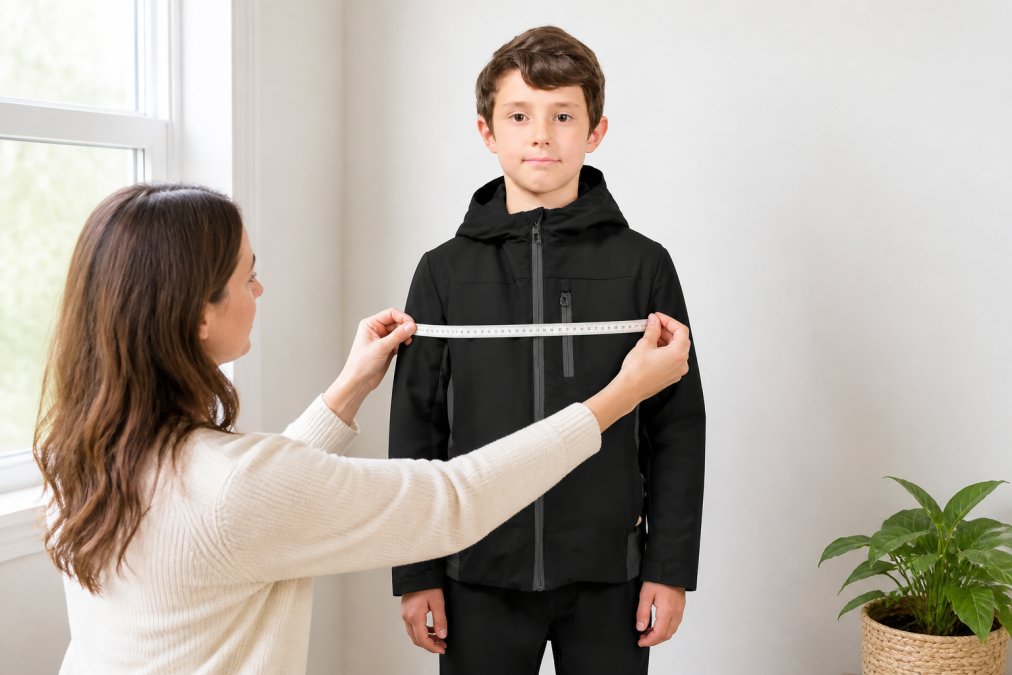
Essential Measurements for Online Ordering
Different clothing types require different measurements. For tops and jackets, chest and length are critical. For pants, inseam and waist are essential. For dresses and rompers, both length and chest matter equally. Always check the product description to see which measurements the retailer prioritizes.
Measure your child every 2-3 months if under five, and every 3-4 months if older (the CDC). Keep a spreadsheet with dates and measurements to track growth patterns. Compare your child's measurements directly to each retailer's size chart, a size 4T from one brand may differ significantly from another due to fabric composition, cut, and manufacturer standards. If measurements fall between sizes, read customer reviews to see how that style runs.
Using a Kids Clothing Size Chart Guide
A kids clothing size chart guide shows actual garment dimensions, not just age ranges. Look for charts that include chest width, length from shoulder to hem, and sleeve length. When comparing, if your child's chest is 16 inches and the size 5 top has a 16.5-inch chest width, that's a good fit.
Pay attention to whether the chart shows measurements for the garment laid flat or as worn dimensions. Laid-flat measurements are more reliable because they're not affected by how the garment hangs on a body. If only worn dimensions are listed, add 1-2 inches to account for movement and comfort.
Check the Size Chart and Compare Across Brands
The biggest mistake parents make is trusting brand consistency. A size 6 from one manufacturer might fit completely differently than a size 6 from another, even from the same retailer. Different factories have different specifications, and brands update patterns regularly.
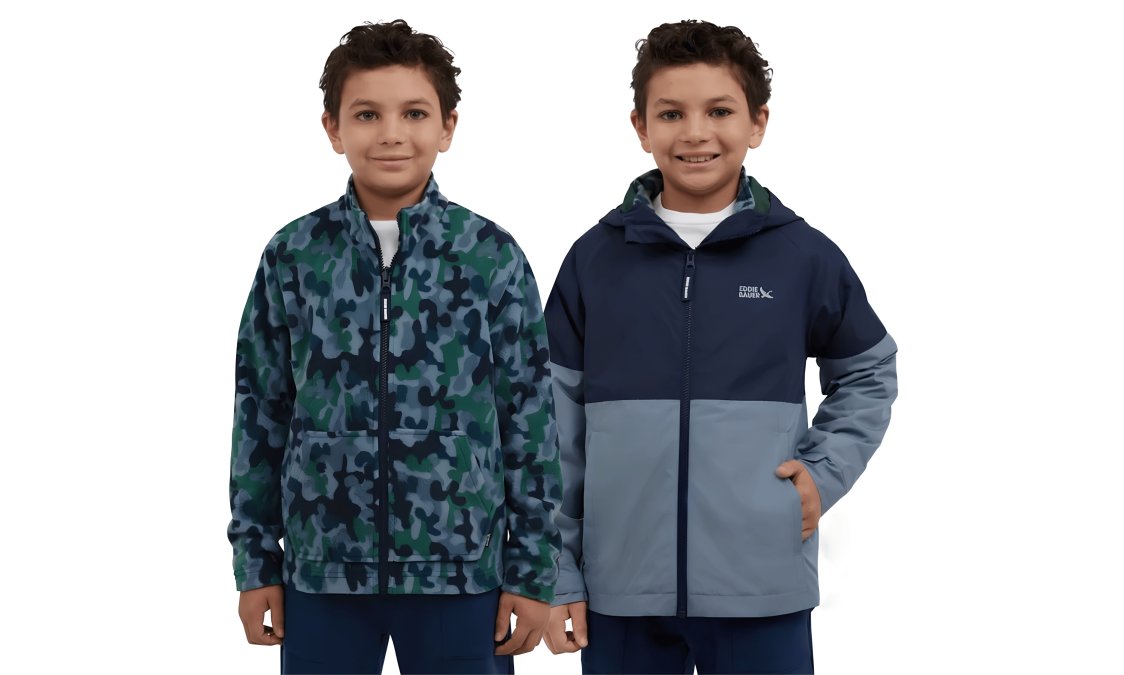
Before adding anything to your cart, pull up the size chart and compare it to your child's measurements. Brands like Eddie Bauer that list specific chest width and length for each size make this straightforward. Brands that only list age ranges are asking you to gamble. Check whether the retailer accepts free exchanges or charges return shipping, as this affects your flexibility with sizing decisions.
Evaluate Fabric Quality and Material Selection
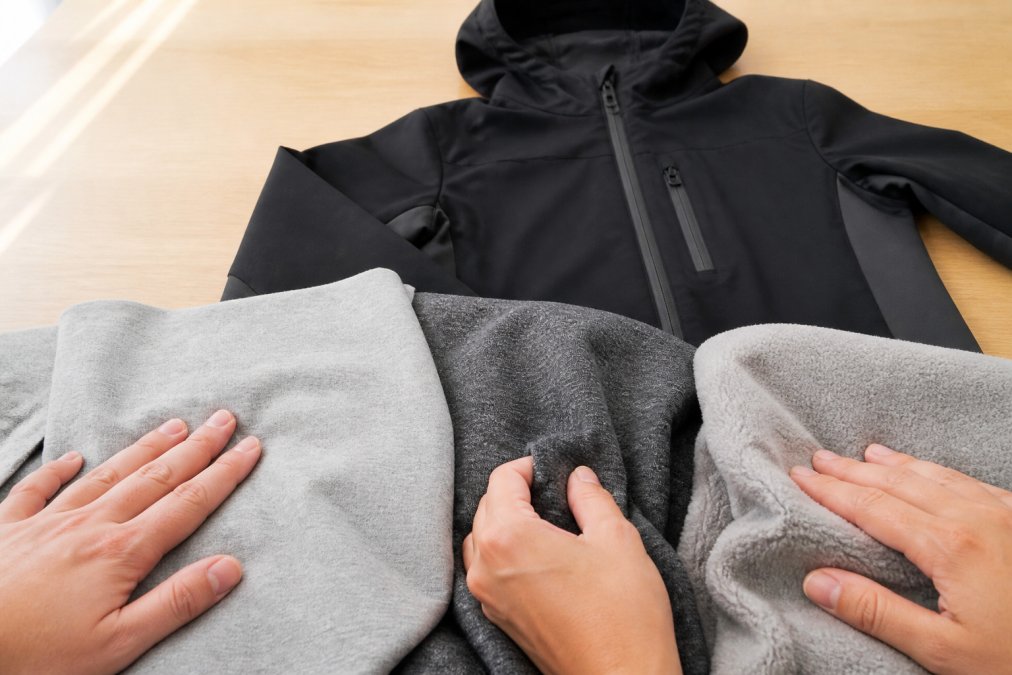
Fabric quality determines whether an item lasts through multiple children and seasons. Cheap synthetics pill, fade, and lose shape quickly. Quality fabrics hold their color, resist pilling, and maintain structure wash after wash.
Look for natural fibers or high-quality blends. Pure cotton breathes well and softens with washing (peer-reviewed research). Polyester blends (70% cotton, 30% polyester) offer durability and wrinkle resistance without sacrificing comfort. Avoid 100% polyester in items that touch skin directly, as it traps heat and moisture (the American Academy of Dermatology). The product description should list exact fiber content, reputable brands like Lands' End clearly state their materials. Weight matters too; midweight fabrics (around 200-250 GSM) offer durability without bulk.
Best Non-Toxic Baby Clothing Brands to Consider
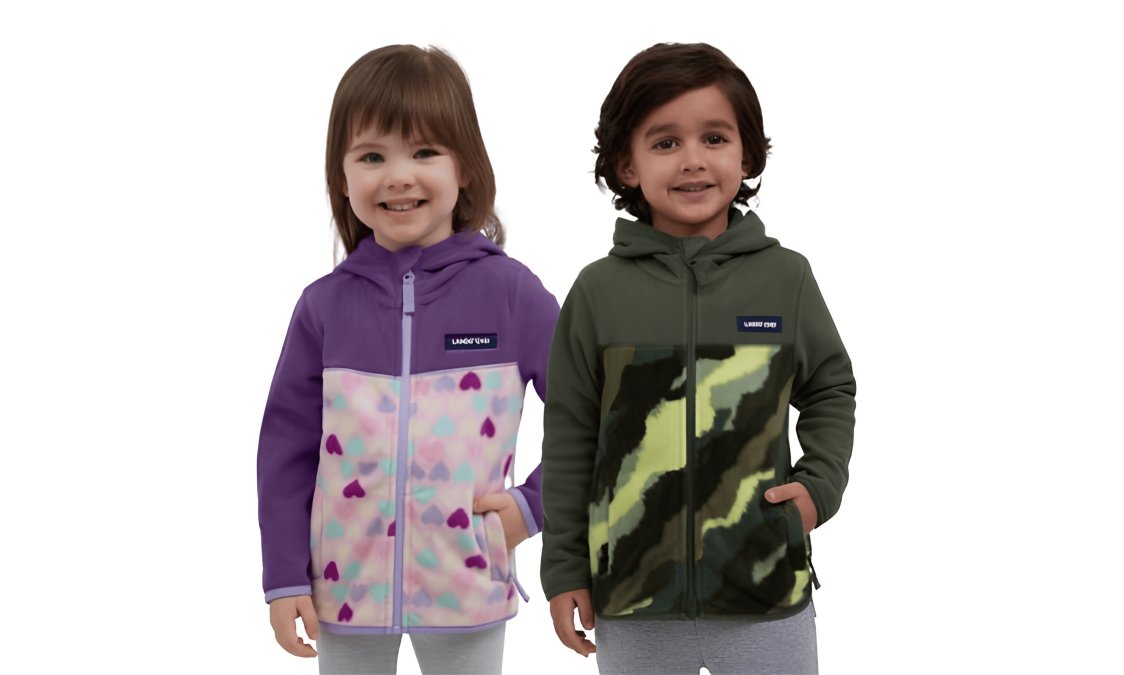
When shopping for babies and toddlers, non-toxic materials matter more because their skin is more sensitive. Look for brands using organic cotton, natural dyes, and minimal chemical processing. Check whether brands provide information about dyeing processes and chemical treatments, and look for GOTS (Global Organic Textile Standard) certification or similar third-party verification.
Price often correlates with quality, but not always. A $35 Lands' End jacket might outlast a $100 synthetic piece from a lesser-known brand. Focus on fiber content, weight, construction details, and customer reviews rather than price alone. At Tots & Trends by Morgan, we curate brands that balance quality with value.
Read Customer Reviews and Sizing Feedback
Customer reviews tell you whether the size chart is accurate, how fabric holds up after washing, and whether the garment is comfortable for active play. Look specifically for sizing feedback, phrases like "runs small" or "generous fit" indicate whether the size chart is realistic. If multiple reviewers say a style runs small, size up even if the chart suggests otherwise.
Pay attention to reviews mentioning durability and construction. A reviewer who says "my son wore this for two years and it still looks new" proves value. Read negative reviews too; they often contain useful information about stiffness that softens with washing or elastic that loses stretch.
Understand Return Policies and Shipping Terms Before Buying
Return policies vary widely across retailers. Some offer free returns; others charge return shipping. Some allow 30-day returns; others allow 60 or 90 days. Check whether the retailer accepts exchanges or only refunds, exchanges let you swap sizes without waiting for refund processing.
Understand shipping timelines and costs. Some retailers offer two-day shipping; others take 5-7 business days. Check the return shipping process, do you print a label or does the retailer email it? Do you drop off at a post office or does a carrier pick up from home? Retailers that make returns easy are worth remembering.
Budget Smart: Splurge vs. Save Strategy
Not every item deserves premium pricing, and not every budget item is a waste. The key is knowing where to invest and where to economize.
Splurge on basics that get heavy wear: plain cotton t-shirts, simple sweaters, and well-made jeans. A $20 quality cotton t-shirt outlasts three $7 synthetic ones. Splurge on outerwear like jackets and coats, which are worn in visible situations and take a beating. A $129 Spyder Youth Superlite Jacket with quality construction lasts multiple seasons and potentially passes to a sibling.

Save on trendy pieces that kids outgrow quickly or that go out of style fast. Character-themed shirts or neon-colored dresses have short shelf lives. Save on items that don't show wear, like pajamas, underwear, and socks.
Account for Growth Spurts When Sizing Up
Growth spurts are unpredictable but inevitable. Size up no more than one size ahead of current measurements. If your child currently fits a size 5, consider a size 6 for items they'll wear for several months.
Sizing up works best for items with adjustable features like jackets with adjustable cuffs and waistbands, or elastic-waist pants. Track growth patterns, if your child grows consistently every three months, you can predict when they'll outgrow current sizes. Consider the garment's lifespan; a winter coat worn for three months can be sized up more generously than a summer dress worn for six months.
Plan Mix-and-Match Outfits and Capsule Wardrobes
Building a capsule wardrobe, a small collection of versatile pieces that work together, saves money and reduces decision fatigue. Start with a neutral base: white, gray, navy, and black. Add one or two accent colors your child likes.
Choose basics that layer well. A plain cotton t-shirt worn under a patterned sweater creates a different look than the sweater alone. A denim jacket transforms a summer dress into a cooler-weather outfit. Invest in quality basics and mix them with trendier pieces bought at lower price points.
Plan outfits before you buy. If considering a patterned top, think about what bottoms you already own that would match it. Document your capsule wardrobe with photos of different outfit combinations. When deciding what to buy next, you can see what gaps exist in your wardrobe.
Buying kids clothes online doesn't have to be stressful. By measuring accurately, understanding size charts, reading customer reviews, and shopping strategically, you'll build a wardrobe of pieces that fit well and last. At Tots & Trends by Morgan, we've curated quality children's clothing designed for real families with real budgets. Our pieces like the Spyder Youth Superlite Jacket and Lands' End Kid's Full Zip Jacket are chosen for durability, style, and value. Start with accurate measurements, trust the size charts, and shop with intention, your future self will thank you when you're not processing returns.
=== FAQ ANSWERS (audit these too, same rules) ===
[1] Q: How do I accurately measure my child for online clothing purchases? A: Use a soft measuring tape and have your child stand straight. Measure chest (around the fullest part), waist, length (shoulder to hem), and sleeve length with arms relaxed. Compare your measurements directly to the seller's size chart rather than relying on age labels, since brands vary significantly. Measure over a single layer of clothing, and take measurements twice to ensure accuracy. Many retailers provide video guides showing proper measurement technique.
[2] Q: What should I look for in a return policy when buying kids' clothes? A: Check for a return window of at least 30 days, free or prepaid return shipping, and whether exchanges are available if sizing is off. Look for policies that accept returns on worn items or allow try-ons at home. Read the fine print about restocking fees, condition requirements, and whether you need a return authorization number. A hassle-free return policy protects you if the fit doesn't work or fabric quality disappoints.
[3] Q: How can I identify high-quality, non-toxic fabrics when shopping online? A: Look for product descriptions that specify fiber content, such as organic cotton, linen, or merino wool. Brands that prioritize non-toxic materials often highlight certifications like GOTS (Global Organic Textile Standard) or Oeko-Tex, which verify the fabric has been tested for harmful chemicals. Check whether the brand discloses manufacturing practices and material sourcing. Read parent reviews mentioning softness, durability, and whether sensitive skin reacted well. Avoid items listing only 'polyester' or synthetic blends without detail on treatment or finishing processes.
[4] Q: Should I size up when buying kids clothes online to account for growth? A: Size up only one size if your child is at the top of their current size range or if you're buying for a special occasion months away. Oversized clothing restricts movement and looks unflattering in photos. Instead, buy basics in current size and splurge pieces (jackets, outerwear) in the next size up. Consider your child's typical growth rate: most children grow 2-3 inches per year. Track growth with a measurement chart so you know when to transition sizes.
Frequently Asked Questions
How do I accurately measure my child for online clothing purchases?
Use a soft measuring tape and have your child stand straight. Measure chest (around the fullest part), waist, length (shoulder to hem), and sleeve length with arms relaxed. Compare your measurements directly to the seller's size chart rather than relying on age labels, since brands vary significantly. Measure over a single layer of clothing, and take measurements twice to ensure accuracy. Many retailers provide video guides showing proper measurement technique.
What should I look for in a return policy when buying kids' clothes?
Check for a return window of at least 30 days, free or prepaid return shipping, and whether exchanges are available if sizing is off. Look for policies that accept returns on worn items or allow try-ons at home. Read the fine print about restocking fees, condition requirements, and whether you need a return authorization number. A hassle-free return policy protects you if the fit doesn't work or fabric quality disappoints.
How can I identify high-quality, non-toxic fabrics when shopping online?
Look for product descriptions that specify fiber content, such as organic cotton, linen, or merino wool. Brands that prioritize non-toxic materials often highlight certifications like GOTS (Global Organic Textile Standard) or Oeko-Tex, which verify the fabric has been tested for harmful chemicals. Check whether the brand discloses manufacturing practices and material sourcing. Read parent reviews mentioning softness, durability, and whether sensitive skin reacted well. Avoid items listing only 'polyester' or synthetic blends without detail on treatment or finishing processes.
Should I size up when buying kids clothes online to account for growth?
Size up only one size if your child is at the top of their current size range or if you're buying for a special occasion months away. Oversized clothing restricts movement and looks unflattering in photos. Instead, buy basics in current size and splurge pieces (jackets, outerwear) in the next size up. Consider your child's typical growth rate: most children grow 2-3 inches per year. Track growth with a measurement chart so you know when to transition sizes.