

Table of Contents
- Why Fast Fashion Harms Children and Families
- Building a Capsule Wardrobe for Kids That Grows With Them
- Choosing Durable Everyday Play Clothes Over Disposable Fashion
- How to Maintain Children's Clothes for Longevity
- Secondhand Clothing and Hand-Me-Down Logistics
- Ethical Brands and Conscious Consumerism for Kids' Fashion
- Budget-Friendly Strategies Without Sacrificing Quality
- Frequently Asked Questions
Last Updated: September 21, 2026
Why Fast Fashion Harms Children and Families
Fast fashion designed for children creates a cycle that most parents don't fully recognize until they're deep in it. The industry relies on disposable clothing, pieces engineered to last a single season, sometimes just a few wears. When your child outgrows an outfit in three months, manufacturers have already won. They've sold you something that will never be worn again by that child, and the pressure to replace it immediately is relentless.
The environmental footprint of this cycle is staggering. Textile waste represents a massive problem in landfills, with clothing from fast fashion brands contributing significantly to that burden. But beyond the environmental impact, there's a human cost. Many garments marketed to children are produced under conditions that exploit workers, often in countries with minimal labor protections. Child labor exploitation remains a documented reality in certain supply chains, even as brands make vague sustainability claims.
The good news is that avoiding fast fashion for growing children is entirely possible, and it doesn't require spending more money overall. It requires a different approach to how you think about children's clothing.
Building a Capsule Wardrobe for Kids That Grows With Them
A capsule wardrobe for kids operates on a simple principle: fewer pieces that work together, made from quality materials that withstand growth and active wear. Instead of accumulating dozens of items your child will wear once, you invest in foundational pieces that mix and match, layer effectively, and transition across seasons.
Start by identifying the core colors your child looks good in, typically neutrals like navy, gray, cream, or black, paired with one or two accent colors. From there, build around essential basics: well-fitting jeans or pants, neutral tops, and layering pieces. The key difference between a capsule wardrobe and random accumulation is intentionality. Every piece should work with at least three others.
Adjustability matters tremendously with growing children. Look for pieces with features like adjustable waistbands, roll-able cuffs, or sizing that bridges age ranges. This extends the lifespan of each garment significantly. A quality item purchased at the right time can serve a child across two or even three growth phases if designed thoughtfully.
The capsule approach also simplifies morning routines and reduces decision fatigue. When every piece coordinates, getting dressed becomes straightforward. Maintaining a capsule wardrobe for kids can reduce stress around clothing choices and make laundry management more efficient since you're working with a known quantity of items.
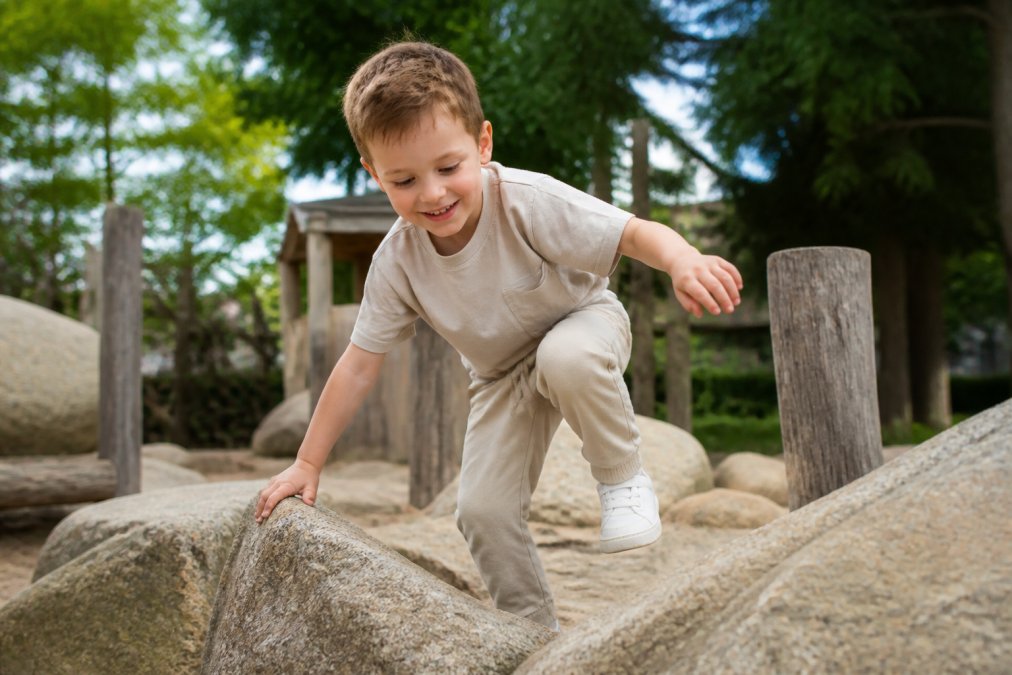
:::pro tip Start with five to seven foundational pieces in neutral colors, then add two to three accent pieces. This creates roughly 15-20 outfit combinations without overwhelming your closet or your budget. As your child grows, you're replacing fewer items because each piece was chosen for longevity and versatility.
Choosing Durable Everyday Play Clothes Over Disposable Fashion
The difference between durable everyday play clothes and disposable fashion comes down to construction, materials, and design intent. Disposable fashion prioritizes trend over function. It's designed to look good in a photo for a single season, then be replaced. Durable play clothes are engineered to survive the reality of childhood: repeated washing, active movement, climbing, rolling, and the occasional stain or small tear.
Material Quality and Fiber Content
Natural fibers like organic cotton, linen, and wool tend to hold up better to repeated wear and washing than synthetic blends designed for low cost. Cotton breathes, wicks moisture, and softens with age rather than pilling or degrading. Wool provides durability and natural temperature regulation. Synthetic fabrics like polyester can be durable too, but the quality varies enormously depending on the weight and construction.
When evaluating fiber content, look for higher GSM (grams per square meter) weights for knits, which indicates denser fabric that resists pilling and wear. For woven fabrics, a tighter weave generally means longer life. The Eddie Bauer Youth 3-in-1 Jacket available through Tots & Trends by Morgan features a 100% polyester shell with a 96 GSM outer layer, paired with a 250 GSM midweight inner fleece, that density difference is what makes it perform across multiple seasons and weather conditions.

Fit and Adjustability Features
Clothes that fit properly last longer because they don't experience stress from being too tight or too loose. Adjustable features like drawstring waistbands, expandable panels, or roll-able cuffs add months or even years to a garment's usable lifespan. A child wearing pants that fit correctly will move more comfortably, and the fabric experiences less strain at seams and stress points.
Eddie Bauer Youth 3-in-1 Jacket, Small →
Look for reinforced seams, particularly at stress points like crotch seams, armholes, and where straps attach. Double-stitching or box-stitching indicates a garment built to last. Hems that can be let down as a child grows are valuable, a simple hem adjustment extends life far more cost-effectively than buying a replacement.
How to Maintain Children's Clothes for Longevity
Maintenance is where most parents inadvertently shorten the lifespan of quality children's clothing. The right washing, drying, and storage practices can add months or years to a garment's life. This is particularly true for items you've invested in because they're well-made and versatile.
Washing and Drying Best Practices
Machine washing cold with like colors prevents fading and reduces fabric stress. Hot water breaks down fibers faster and sets stains permanently. Gentle cycles protect seams and prevent pilling. Avoid overloading the washer, clothes need space to move freely, and cramming too many items in creates friction that damages fibers.
Tumble drying on low heat is gentler than high heat, which can shrink natural fibers and melt synthetic ones.
Repair and Upcycling Strategies
Small repairs prevent minor damage from becoming reasons to discard clothing. A loose seam caught early prevents a ripped garment. Loose buttons and snaps can be reattached in minutes. Stains treated promptly often come out completely. Building a simple repair kit with thread, needles, and basic sewing supplies takes minimal investment and extends clothing life significantly.
:::pro tip Keep a small fabric marker and needle-and-thread kit in your laundry area. Catching loose seams, reattaching buttons, and treating stains immediately adds weeks to a garment's life. Many parents find that 15 minutes of preventive maintenance per month can help extend the life of garments.
Secondhand Clothing and Hand-Me-Down Logistics
Secondhand clothing represents one of the most practical and sustainable approaches to avoiding fast fashion for growing children. Children's clothing in good condition is widely available through thrift stores, consignment shops, and online resale platforms. The quality varies, but intentional shopping yields pieces that are often better-made than new fast fashion alternatives.
Ethical Brands and Conscious Consumerism for Kids' Fashion
Choosing ethical brands for children's clothing requires looking beyond marketing claims to understand actual practices. Transparent supply chains, fair labor practices, and sustainable material sourcing are indicators of genuine commitment rather than greenwashing. Brands that clearly document where and how their clothing is made, who manufactures it, and what standards they maintain tend to be more trustworthy than those making vague sustainability promises.
Budget-Friendly Strategies Without Sacrificing Quality
The perception that quality children's clothing requires unlimited spending prevents many families from making the shift away from fast fashion. In reality, strategic shopping and intentional choices make quality accessible on realistic budgets.
Frequently Asked Questions
What is the 3-3-3 rule for clothing, and how does it apply to kids?
The 3-3-3 rule suggests wearing an item at least 30 times before deciding it's essential, keeping 3 outfit combinations in rotation, and aiming to wear pieces for 3 seasons. For growing children, adapt this by choosing versatile pieces that work across multiple seasons and mix-and-match with existing items. Focus on quality basics that coordinate easily, allowing fewer total pieces to create more outfit combinations. This approach reduces waste and stretches your budget further while teaching children about intentional consumption.
How can I build a capsule wardrobe for a rapidly growing child without constant replacements?
Start with neutral-colored basics in natural fibers like cotton and linen that mix easily: plain t-shirts, long-sleeve tops, simple pants, and durable shorts. Choose pieces one size larger with adjustable features like drawstring waists or rolled cuffs. Include 2-3 quality outerwear pieces that layer well, such as the Eddie Bauer Youth 3-in-1 Jacket ($54.95), which offers three wearing options from one garment. Rotate seasonal pieces and store outgrown items for younger siblings or hand-me-downs. This method reduces the need to buy new outfits constantly while maintaining a polished, coordinated look.
What specific fabrics and materials should I look for in durable children's clothing?
Prioritize natural fibers like 100% cotton, organic cotton, linen, and wool blends, which breathe better and age well with washing. Check care labels for fabric composition and weight (midweight fabrics typically outlast lightweight options). Avoid excessive synthetic content unless the garment serves a specific purpose like water resistance. Look for reinforced seams, quality zippers, and sturdy button attachments. Products like the Spyder Youth Superlite Jacket use polyester with spandex blends for durability and stretch, while the Lands' End Kid's Full Zip Jacket features brushed fleece with stretch binding for longevity. Always read care instructions to ensure fabrics are machine-washable for everyday wear.
Are there affordable ways to avoid fast fashion while shopping for children's clothing?
Yes. Shop secondhand through thrift stores, consignment shops, and online platforms specializing in gently used children's clothing. Organize clothing swaps with other families to exchange outgrown pieces. Buy quality basics on sale during end-of-season clearance and invest in timeless pieces rather than trendy items. Choose brands offering good value for durability, like the Eddie Bauer Youth 3-in-1 Jacket at $54.95 or Lands' End Kid's Full Zip Jacket at $35.00, which last through multiple wears and washes. Plan ahead for growth by buying slightly larger sizes with adjustable features, reducing the frequency of purchases and stretching your budget across more wear cycles.