

Table of Contents
- Why Durable Kids Clothes Matter for Your Budget
- The Kids Clothing Quality Checklist: What to Look For
- Durable Fabrics for Active Kids: Natural vs. Synthetic
- Construction Details That Signal Long-Lasting Wear
- How to Wash Kids Clothes to Make Them Last
- Durable Outerwear Picks for Rough-and-Tumble Play
- Conclusion: Choose Well, Dress Well, Repeat
- Frequently Asked Questions
Last Updated: September 4, 2026
Every parent knows the frustration: you buy a cute outfit, your child wears it twice, and the knees are blown out or the seams are unraveling. The real question isn’t just about price tags, but about understanding how to choose durable kids clothes that survive playgrounds, washing machines, and hand-me-down cycles. At Tots & Trends by Morgan, we’ve curated enough children’s apparel to know that durability isn’t an accident, it’s a science of fabric weight, stitching, and construction.
The good news is that durable kids clothes don’t require a textile degree to identify. You just need to know which specific details matter and which ones are purely aesthetic.
Why Durable Kids Clothes Matter for Your Budget
The cost-per-wear math is brutal if you get it wrong. A cheap shirt that falls apart after five washes isn't a bargain; it's a recurring expense. When you choose durable kids clothes, you shift the value equation entirely. A higher-quality item might cost more upfront, but it spreads that cost across dozens, sometimes hundreds, of wears and survives to be passed down to a younger sibling.
Beyond the financial aspect, there is the sustainability angle. The apparel industry generates significant waste, and the most effective way to reduce your family's footprint is to buy less frequently and buy better. Durable kids clothes also save you time and stress.
The Kids Clothing Quality Checklist: What to Look For
Before you even look at the style, run a quick physical inspection. This kids clothing quality checklist takes about 60 seconds per item and will immediately separate the well-made pieces from the fast-fashion imitations.
- Check the seams: Look at the inside of the garment. Are the seams finished with a serger or flatlock stitch, or are they raw and fraying? Reinforced stitching on the inseam and crotch is non-negotiable for active kids.
- Pull the fabric: Give the material a firm stretch. Does it snap back to its original shape, or does it stay stretched out? Poor stretch and recovery means saggy knees and elbows after one wear.
- Inspect the hardware: Tug on the buttons, snaps, and zippers. Snap durability is critical for toddlers. If the hardware feels flimsy or is loosely attached, it will fail quickly.
- Hold it up to the light: Can you see through the fabric? If so, it's likely too thin for everyday play. Look for a dense weave that offers opacity and structure.
- Read the care label: Check for shrinkage resistance and colorfastness indicators. If the label says "dry clean only," it's probably not designed for the sandbox.
Durable Fabrics for Active Kids: Natural vs. Synthetic
When you are searching for durable fabrics for active kids, the natural versus synthetic debate is central. Neither category is inherently better; it depends on the garment's purpose. The key is understanding fiber composition and how it behaves under stress.
Natural Fibers: Cotton, Denim, and French Terry
Natural fibers like cotton are breathable and soft, making them ideal for sensitive skin. However, not all cotton is created equal. Look for organic cotton, which is often grown without harsh chemicals and tends to have a higher tensile strength.
- Denim: This is the workhorse of the kids' wardrobe. A good pair of denim jeans with a bit of spandex offers durability and flexibility. The twill weave makes it resistant to abrasion, meaning it can handle slides and scuffs better than most other materials. For kids' jeans, a weight of 10-12 oz. denim is a solid benchmark for everyday wear; anything lighter is more of a fashion piece.
- French Terry: This is the fabric of the perfect hoodie. It has a smooth face and a looped back, offering breathability without the bulk of fleece. It’s a midweight option that works well for layering and resists pilling better than cheaper brushed fleece.
Synthetic Blends and What GSM Numbers Mean
Synthetics like polyester and nylon are often blended with natural fibers to add durability and moisture-wicking properties. The critical metric here is GSM (grams per square meter), which measures fabric weight. In general, a higher GSM indicates a denser, more durable fabric.
For active wear, you want a GSM that suggests structure. A lightweight shirt might be around 120-150 GSM, which is fine for summer, but it won't survive rough play. Look for midweight fabrics around 180-250 GSM for everyday staples. For example, a quality hoodie or jacket lining should be in the 250 GSM range to ensure it holds its shape and provides warmth. A 100% polyester shell can be excellent for outerwear because it offers water resistance and wind protection without the weight of natural fibers, but only if the GSM is high enough to prevent tearing.
A Deeper Look: Rub Counts and Abrasion Resistance
While GSM tells you about weight, rub counts (measured on the Martindale abrasion test) tell you about surface durability. A standard cotton t-shirt might have a rub count in the tens of thousands, but a performance pant or reinforced jean can exceed 30,000 rubs. When you see a brand touting 'abrasion-resistant' fabric, they are often referring to a higher rub count achieved through a tighter weave or a blend with nylon or Cordura. For kids who spend their days on slides and asphalt, seeking out a higher rub count on pants and outerwear is a more objective measure of durability than simply feeling the fabric.
The Hand-Me-Down Lifecycle Test
Most guides stop at 'does it feel durable?' But the real test for a family with multiple children is the hand-me-down lifecycle. To predict if a garment will survive a second child, look for specific signs of 'second-life' durability.
- Check the colorfastness: Look for a label that says 'colorfast' or test a hidden seam with a damp white cloth. If color transfers, the garment will look faded and worn by the time it reaches child number two.
- Examine the elastic: The waistband is the first thing to go. A high-quality elastic waistband should have a firm, even stretch that snaps back immediately. If it feels loose or ripples, it will not survive a second child.
- Look at the hem: A deep, double-folded hem (about 1 inch) can be let down to accommodate growth, effectively extending the garment's life for a younger sibling. A shallow, single-fold hem is a sign that the manufacturer wasn't thinking about longevity.
Construction Details That Signal Long-Lasting Wear
Fabric is only half the equation; the construction determines whether the garment falls apart at the seams, literally.
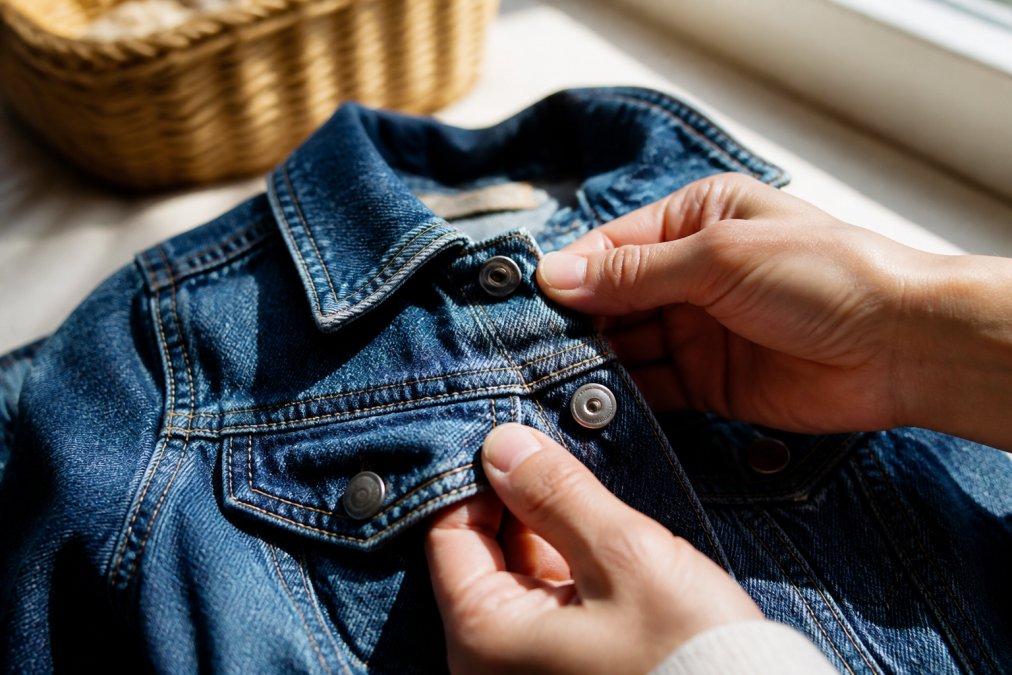
First, look at the stitching density. A higher number of stitches per inch usually indicates a stronger seam. Check the stress points: the crotch, the underarms, and the pockets. These areas should have reinforced stitching, often a double or triple row of stitches.
Second, examine the plackets and buttonholes. Are they cleanly cut and tightly stitched? A fraying buttonhole is a death sentence for a shirt. For younger kids, prioritize functional design like magnetic closures or heavy-duty snaps over buttons that are hard for little fingers to manage and easy to rip off.
How to Wash Kids Clothes to Make Them Last
You’ve bought the durable kids clothes, but you can destroy them in the laundry room in a single cycle. The way you wash and dry garments has a massive impact on their longevity.
- Wash in cold water: Hot water is the enemy of colorfastness and causes fibers to break down faster. Cold water cleans effectively without the damage.
- Turn items inside out: This protects the outer surface from abrasion against other clothes and the drum of the machine, reducing pilling and preserving prints.
- Avoid high heat in the dryer: High heat is the primary cause of shrinkage and elastic breakdown. Use a low or delicate setting, or better yet, hang dry items you want to last. This is the secret to wash-and-wear longevity.
- Use gentle detergent: Harsh chemicals can strip natural oils from fibers, making them brittle.
The Repairability Angle: Extending Life Beyond the First Tear
Even the best-washed garment will eventually meet a playground scuff or a sharp rock. The difference between a piece that ends up in the donation bin and one that lives on is repairability. The true 'Buy It For Life' approach includes knowing how to fix the inevitable damage.
Patching Knees: The most common failure point is the knee. Instead of throwing out a pair of pants with a hole, invest 15 minutes in a patch. A simple iron-on patch applied to the inside of the knee, followed by a few hand stitches around the edge to secure it, can extend the life of the pants by months. For a more durable fix, use a denim or twill patch on the outside of the knee, stitching it down with a whipstitch.
Reinforcing Seams: If you notice a seam starting to fray or pull apart, catch it before it becomes a gaping hole. A quick pass with a needle and thread to reinforce the stress point, like the crotch seam or the underarm, can prevent a catastrophic failure.
Replacing Snaps and Buttons: Loose hardware is a common issue, especially on toddler clothes. A missing snap doesn't mean the end of a onesie. You can purchase a snap repair kit (available at most craft stores) and replace a popped snap in under a minute. Similarly, a loose button can be re-sewn in seconds.
The Cost-Per-Wear Math of Repair
Let's put this in perspective. A pair of $30 kids' jeans that lasts 50 wears costs $0.60 per wear. If you add a $1 patch and 15 minutes of your time to get another 30 wears out of them, the cost-per-wear drops to $0.38. That is a 37% reduction in your effective cost. When you apply this logic across a full wardrobe, the savings are substantial.
Durable Outerwear Picks for Rough-and-Tumble Play
When the weather turns, you need outerwear that can take a beating. This is where the GSM and water resistance specifications become crucial. For a versatile option that grows with your child, the Eddie Bauer Youth 3-in-1 Jacket is a standout. It features a water-resistant shell and a zip-in polar fleece liner, allowing it to function as a lightweight rain jacket, a warm mid-layer, or a heavy winter coat.
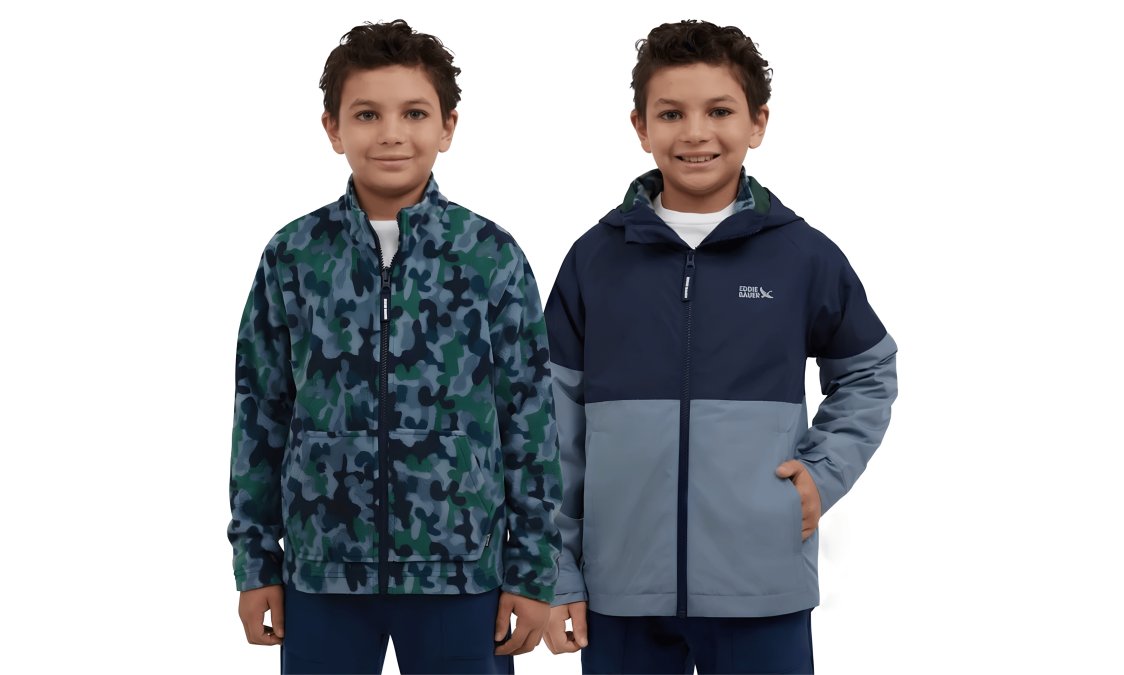
The construction details on this piece speak to its durability. The outer shell is a lightweight polyester measuring approximately 96 GSM, designed to block wind and water without restricting movement. The inner fleece jacket is a midweight 250 GSM, ensuring it provides substantial warmth. This separation of layers allows for easy washing of the fleece liner without compromising the water-resistant coating on the shell.
Here is a quick comparison of durable outerwear features to look for:
Feature |
Why It Matters |
What to Look For |
|---|---|---|
Shell Fabric |
Protection from elements |
Water-resistant polyester or nylon |
Lining Weight |
Warmth and durability |
200-250 GSM for midweight fleece |
Zippers & Snaps |
Longevity of use |
Full-length chin guard, heavy-duty zippers |
Cuffs |
Fit and heat retention |
Elastic or stretch binding on cuffs |
Conclusion: Choose Well, Dress Well, Repeat
Choosing durable kids clothes isn't about spending the most money; it's about spending smartly on pieces with the right fabric weight, reinforced stitching, and timeless style. By using this checklist, you can avoid the frustration of premature wear and build a wardrobe that survives the playground and the washing machine.
At Tots & Trends by Morgan, we curate our selection with this exact philosophy in mind, blending on-trend style with the quality construction that ensures every outfit is ready for both special milestones and everyday adventures. Shop our collection of durable, stylish pieces that are made to last and designed to impress.
Frequently Asked Questions
What is the 3-3-3 rule for kids' clothes?
The 3-3-3 rule is a simple shopping guideline: buy 3 tops, 3 bottoms, and 3 pairs of socks or underwear. The idea is to build a small, versatile wardrobe of high-quality pieces that mix and match easily. For durable kids clothes, this rule helps you focus your budget on better fabric and construction instead of buying many cheap items that wear out quickly.
What are the most durable fabrics for children's clothing?
For active kids, look for tightly woven natural fibers like denim, twill, and French terry cotton. These fabrics resist abrasion and hold their shape. Organic cotton is a good choice for sensitive skin, while a small percentage of synthetic fibers like polyester or elastane adds stretch and recovery for playtime movement. Check the GSM number to gauge fabric weight.
How can you tell if a piece of kids' clothing is high quality?
Use a quick kids clothing quality checklist. First, check the fabric weight and fiber composition. Then, inspect the reinforced stitching at the seams and hems. Pull gently on the waistband to test stretch and recovery. Finally, check snap durability and hardware reliability. Quality garments also list clear care instructions, which helps you wash them correctly.
Are organic materials more durable for active play?
Organic cotton is grown without harsh chemicals, which makes the fibers stronger and less brittle over time. This can translate to better long-lasting wear, especially for kids with sensitive skin. However, durability also depends on the weave and fabric weight. A heavy organic cotton twill will outlast a lightweight conventional knit, so check both the material and the construction.